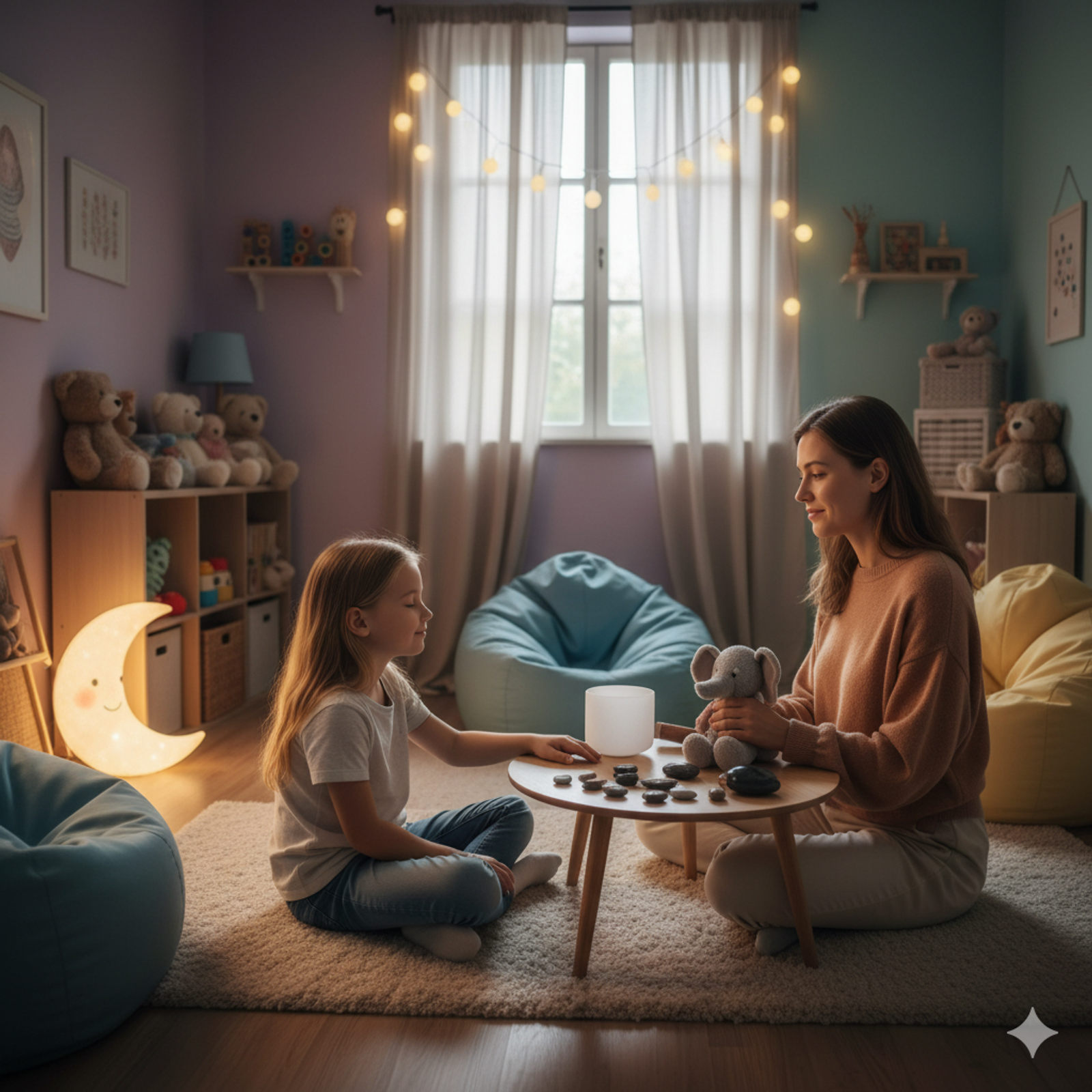
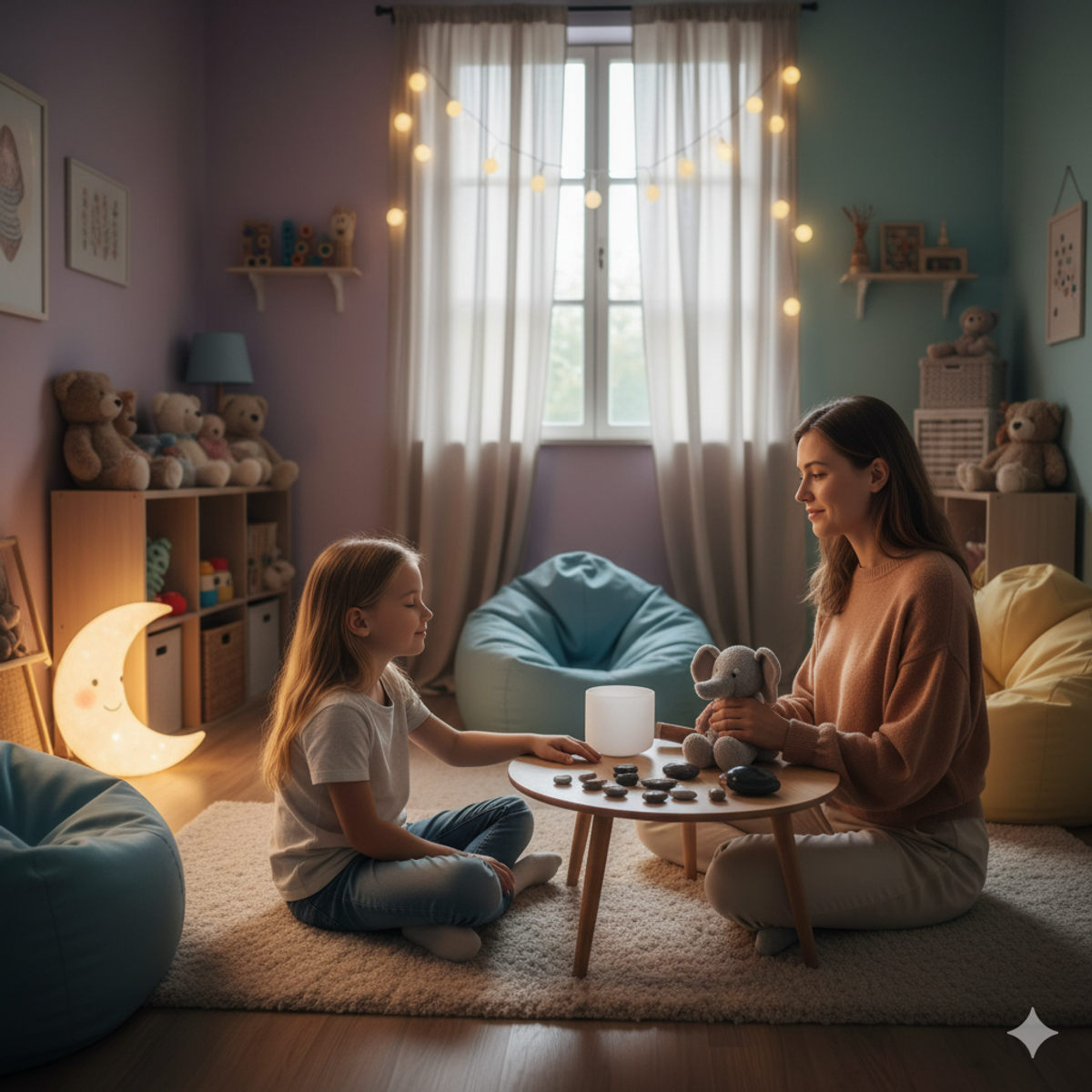
Understanding Children Hypnotherapy
Children hypnotherapy is a gentle, evidence-based approach that helps young people develop coping skills, manage challenging behaviors, and address various concerns through guided relaxation and focused attention techniques. Unlike common misconceptions, hypnotherapy for children involves age-appropriate methods that respect their natural imaginative abilities and developmental stages.
The field of pediatric hypnotherapy has gained significant recognition in recent years, with healthcare professionals increasingly incorporating these techniques into comprehensive treatment plans. Children often respond exceptionally well to hypnotherapy because they naturally possess vivid imaginations and are generally more open to suggestion than adults.
Modern approaches to children hypnotherapy emphasize creating safe, comfortable environments where young people can explore their inner resources for positive change. These sessions typically involve storytelling, visualization, and interactive techniques that feel more like guided play than traditional therapy. The growing acceptance of these methods reflects a broader understanding that children benefit from holistic approaches that address both mind and body.
Parents considering hypnotherapy for their children often discover that these techniques can complement traditional approaches while providing valuable tools for self-regulation and emotional wellness. The key lies in working with qualified practitioners who specialize in age-appropriate techniques and understand child development principles.
The Science Behind Kids Hypnosis
Children's brains operate differently than adult brains, making them uniquely suited to hypnotic techniques. Young minds naturally spend more time in alpha and theta brainwave states—the same states accessed during hypnotherapy. This means children can often enter relaxed, focused states more easily than adults, making therapeutic suggestions more readily accessible.
Neurological research reveals that children's prefrontal cortex, responsible for critical thinking and skepticism, is still developing. This developmental characteristic allows them to engage more openly with imaginative processes and positive suggestions. Their natural creativity and fluid thinking patterns create an ideal foundation for hypnotherapy techniques.
The brain's neuroplasticity is significantly higher in children, meaning their neural pathways are more adaptable to positive changes. This enhanced plasticity allows for more rapid integration of new behavioral patterns and coping strategies introduced during hypnotherapy sessions. Children's brains are essentially wired for learning and adaptation, making therapeutic interventions potentially more effective.
Studies have shown that children can achieve deeper states of focused relaxation in shorter periods compared to adults. Their natural ability to engage in imaginative play translates seamlessly into therapeutic visualizations and guided imagery exercises. This responsiveness doesn't mean children lose control; rather, they maintain awareness while accessing their subconscious resources for positive change.
Research from pediatric psychology demonstrates that children who receive hypnotherapy often develop enhanced self-regulation skills and improved emotional resilience. These benefits extend beyond the specific issues being addressed, contributing to overall psychological well-being and adaptive functioning. The combination of natural receptivity and enhanced neuroplasticity makes childhood an optimal time for establishing healthy mental patterns.
Modern neuroscience supports the use of hypnotherapy with children, showing measurable changes in brain activity patterns following sessions. These changes often correlate with improvements in sleep quality, anxiety management, and behavioral regulation. The scientific foundation continues to strengthen as more research validates the effectiveness of age-appropriate hypnotherapy techniques.

Want to know if hypnotherapy is a good fit for your child?
Book a free 30-minute phone consultation with Vittoria Fazio and get your questions answered.
Age Guidelines for Children Hypnotherapy
Ages 4-6: Early Childhood Considerations

Very young children require specially adapted approaches that work with their developmental stage and attention spans. At this age, sessions are typically shorter (15-20 minutes) and heavily incorporate play-based elements. Practitioners use puppet shows, simple storytelling, and interactive games to create positive experiences and introduce basic relaxation concepts.
Children in this age group respond well to concrete imagery and familiar characters from their daily lives. Techniques might involve imagining themselves as brave superheroes or calm, sleeping animals. The focus remains on creating positive associations with relaxation rather than addressing complex behavioral patterns.
Ages 7-12: Elementary School Age Applications

School-age children can engage with more sophisticated hypnotherapy techniques while still benefiting from creative, imaginative approaches. Their increased attention span allows for 30-45 minute sessions with more detailed visualizations and structured relaxation exercises. Children at this stage can begin learning self-hypnosis techniques for independent practice.
This age group often benefits from adventure-based imagery, sports visualizations, or scenarios involving favorite activities. They can understand cause-and-effect relationships better, making it easier to connect relaxation practices with desired outcomes. Academic stress, social challenges, and performance anxiety are common areas of focus.
Ages 13-17: Adolescent Therapeutic Approaches
Teenagers can participate in hypnotherapy sessions that more closely resemble adult approaches while still respecting their unique developmental needs. Sessions can extend to full 60-minute periods, incorporating sophisticated relaxation techniques, detailed visualizations, and comprehensive self-hypnosis training.
Adolescents often prefer less "childish" approaches and appreciate being treated as mature participants in their own healing process. They can engage with abstract concepts and take greater responsibility for practicing techniques between sessions. Issues commonly addressed include test anxiety, sports performance, sleep difficulties, and stress management.
Individual Developmental Factors vs. Chronological Age
While age provides general guidelines, individual developmental factors often matter more than chronological age. Some children may be ready for advanced techniques earlier than their peers, while others might benefit from simpler approaches longer. Emotional maturity, attention span, verbal skills, and comfort with imaginative processes all influence the appropriate approach.
Qualified practitioners assess each child individually, considering their unique personality, developmental stage, and specific needs. This personalized approach ensures that techniques match the child's capacity and maximize the potential for positive outcomes. Flexibility remains key in adapting methods to serve each young person effectively.
Conditions Commonly Addressed with Child Therapy
Anxiety and Stress Management

Childhood anxiety manifests in various forms, from separation anxiety in younger children to social anxiety in teenagers. Hypnotherapy techniques help children develop internal resources for managing anxious feelings and building confidence in challenging situations. Through guided imagery and relaxation exercises, children learn to access calm states and develop positive coping strategies.
Many children experience significant relief from anxiety symptoms after learning self-regulation techniques through hypnotherapy. These skills often transfer to multiple areas of their lives, improving overall emotional resilience and adaptive functioning.
Sleep Disorders and Bedtime Challenges
Sleep difficulties affect many children and can impact their academic performance, emotional regulation, and physical health. Hypnotherapy addresses sleep issues by teaching relaxation techniques, creating positive bedtime associations, and helping children develop healthy sleep routines. Guided imagery often involves peaceful, safe scenarios that promote natural sleepiness.
Children typically respond quickly to sleep-focused hypnotherapy, often experiencing improved sleep patterns within a few sessions. Parents frequently report that their children become more independent at bedtime and experience fewer nighttime disruptions.
Behavioral Concerns and Habit Modification
Common childhood habits like thumb sucking, nail biting, or hair pulling can be effectively addressed through hypnotherapy. These approaches work by strengthening the child's awareness of the behavior and providing alternative responses. Techniques focus on building self-control and replacing unwanted habits with healthier alternatives.
The non-judgmental nature of hypnotherapy helps children address these behaviors without shame or embarrassment, leading to more sustainable changes. Success often comes from empowering children to make positive choices rather than simply trying to eliminate unwanted behaviors.
Academic Performance and Confidence Building
Many children struggle with test anxiety, concentration difficulties, or low academic confidence. Hypnotherapy can help students develop better focus, manage performance anxiety, and build positive associations with learning. Visualization techniques might involve imagining successful test-taking experiences or feeling calm and confident in classroom settings.
These approaches often lead to improved academic performance, but more importantly, they help children develop healthier relationships with learning and achievement. Students learn that they have internal resources for managing academic challenges effectively.
Chronic Pain and Medical Procedure Anxiety
Children facing medical procedures or dealing with chronic conditions often benefit significantly from hypnotherapy techniques. These approaches help manage pain, reduce anxiety around medical settings, and provide children with a sense of control during challenging health situations. Guided imagery can transform medical procedures into more manageable experiences.
Healthcare settings increasingly recognize the value of these complementary approaches in pediatric care. Children who learn these techniques often report feeling more empowered and less fearful about their medical experiences.
What to Expect: The Children Hypnotherapy Process
Initial Consultation and Assessment
The first session typically involves meeting with both the child and parents to discuss concerns, goals, and expectations. Practitioners assess the child's developmental stage, communication style, and comfort level to determine the most appropriate techniques. This initial meeting helps establish rapport and ensures everyone feels comfortable with the process.
During this consultation, practitioners explain what hypnotherapy involves and address any misconceptions or concerns. Children often feel relieved to learn that they will remain aware and in control throughout sessions. This educational component helps create positive expectations and reduces any anxiety about the process.
Age-Appropriate Induction Techniques
Hypnotherapy sessions for children begin with gentle relaxation techniques adapted to their age and interests. Younger children might engage in breathing exercises involving imaginary balloons or bubbles, while older children might use progressive muscle relaxation or guided breathing patterns. The goal is to create a comfortable, relaxed state naturally.
Induction techniques often incorporate movement, storytelling, or interactive elements that keep children engaged. Practitioners may use props, music, or visual aids to enhance the experience and maintain the child's attention throughout the process.
Interactive and Playful Therapeutic Methods
Once relaxed, children engage with therapeutic content through age-appropriate methods. This might involve imaginary journeys, conversations with wise characters, or problem-solving adventures. The therapeutic work feels natural and enjoyable rather than clinical or intimidating.
Children often look forward to sessions because they experience them as positive, creative experiences. This enjoyment enhances their receptivity to therapeutic suggestions and makes them more likely to practice techniques independently.
Parental Involvement and Support Strategies
Parents play a crucial role in supporting their child's progress through hypnotherapy. Practitioners often teach parents simple techniques they can use at home to reinforce session work. This might include bedtime relaxation routines or brief calming exercises for stressful situations.
Regular communication between practitioners and parents ensures that progress is monitored and techniques are adapted as needed. Parents learn to recognize signs of improvement and understand how to support their child's continued development of these valuable skills.
Safety Considerations and Professional Standards
Qualified Practitioner Credentials
Working with children requires specialized training beyond basic hypnotherapy certification. Qualified practitioners should have specific experience in child development, age-appropriate techniques, and pediatric therapeutic approaches. Certifications from recognized organizations like the International Federation for Hypnosis Education and Certification (IFHEC) provide important credibility markers.
Practitioners specializing in children's hypnotherapy often have additional training in psychology, counseling, or child development. This comprehensive background ensures they can recognize when children might benefit from additional support or when referrals to other professionals might be appropriate.
Parental Consent and Involvement Requirements
All hypnotherapy work with minors requires informed parental consent and typically involves ongoing parental participation. Parents should be fully informed about techniques being used and feel comfortable with the therapeutic approach. Transparency in methods and regular communication help maintain trust and support optimal outcomes.
Many practitioners encourage parents to observe sessions, especially initially, to help children feel more comfortable and parents feel more confident in the process. This collaboration creates a supportive environment that enhances the therapeutic relationship.
Creating Safe Therapeutic Environments

Physical and emotional safety are paramount in children's hypnotherapy. Sessions take place in comfortable, child-friendly environments with appropriate lighting, temperature, and seating. Practitioners ensure that children always feel safe, respected, and in control of their experience.
Emotional safety involves creating non-judgmental spaces where children can express themselves freely without fear of criticism. Practitioners use gentle, encouraging language and adapt their communication style to each child's developmental level and personality.
Recognizing When Traditional Therapy May Be More Suitable
While hypnotherapy can be highly effective for many childhood concerns, it's not appropriate for all situations. Children experiencing severe trauma, certain psychological conditions, or those who feel uncomfortable with the process may benefit more from other therapeutic approaches. Qualified practitioners recognize these situations and make appropriate referrals when necessary.
The goal is always to serve the child's best interests, which sometimes means recommending alternative or complementary approaches. Ethical practitioners prioritize the child's well-being over their own professional interests.
Success Stories and Realistic Expectations
Common Outcomes in Pediatric Treatment
Children who participate in hypnotherapy often experience improvements in multiple areas of their lives. Beyond addressing specific presenting concerns, many develop enhanced self-confidence, better emotional regulation, and improved problem-solving skills. These broader benefits often surprise parents who initially focused on single issues.
Typical positive outcomes include better sleep patterns, reduced anxiety in challenging situations, improved academic performance, and stronger peer relationships. Children frequently report feeling more capable of handling difficult situations independently.
Timeline for Seeing Results
Many children begin showing positive changes within the first few sessions, though the timeline varies depending on individual factors and the nature of concerns being addressed. Simple issues like bedtime difficulties or minor habits might improve quickly, while more complex behavioral patterns may require longer-term work.
Most children benefit from an initial series of 4-6 sessions, with some requiring additional support for more challenging concerns. The key is maintaining realistic expectations while celebrating incremental progress toward larger goals.
Factors That Influence Effectiveness
Several factors contribute to successful outcomes in children's hypnotherapy. The child's motivation and comfort level significantly impact results, as does consistent practice of techniques between sessions. Parental support and reinforcement of positive changes also play crucial roles in maintaining progress.
The quality of the therapeutic relationship, appropriateness of techniques for the child's developmental stage, and alignment between goals and methods all influence effectiveness. Children who feel heard, understood, and empowered typically experience the most significant benefits.
Building Sustainable Coping Skills

The ultimate goal of children's hypnotherapy extends beyond addressing immediate concerns to building lifelong skills for emotional regulation and stress management. Children learn that they have internal resources for managing challenges and that they can access calm, confident states when needed.
These skills often prove valuable throughout adolescence and adulthood, providing a foundation for resilient mental health. Many adults report that coping strategies learned in childhood continue serving them decades later.
Ready to support your child with gentle, evidence-based tools?
Reserve a free 30-minute phone consultation with Vittoria Fazio to discuss your child's needs.
Finding the Right Practitioner for Your Child
Questions to Ask Potential Therapists
When evaluating practitioners, ask about their specific training and experience with children in your child's age range. Inquire about their approach to building rapport with young clients and how they adapt techniques for different developmental stages. Understanding their philosophy and methods helps ensure a good fit for your family's needs.
Ask about their experience with your child's specific concerns and what outcomes they typically see. Discuss their approach to parental involvement and how they communicate progress and challenges throughout the therapeutic process.
Specialized Training in Children Hypnotherapy
Look for practitioners who have completed specialized training programs in pediatric hypnotherapy beyond basic certification. This additional training covers child development principles, age-appropriate techniques, and ethical considerations specific to working with minors. Membership in professional organizations demonstrates commitment to ongoing education and ethical practice.
Some practitioners may have backgrounds in education, child psychology, or pediatric healthcare, providing additional relevant expertise. This comprehensive training helps ensure that children receive developmentally appropriate and effective interventions.
Ensuring Comfort and Rapport
The therapeutic relationship is crucial for successful outcomes, particularly with children who may feel nervous about new experiences. A skilled practitioner will take time to build rapport and ensure your child feels comfortable before beginning any therapeutic work. This might involve playing games, discussing interests, or simply spending time getting acquainted.
Children should leave initial consultations feeling positive about the experience and looking forward to future sessions. If your child seems uncomfortable or reluctant, it may indicate that the practitioner isn't the right fit for your family's needs.
Red Flags to Avoid
Be cautious of practitioners who make unrealistic promises about outcomes or timelines, as legitimate therapeutic work requires realistic expectations and individualized approaches. Avoid those who seem uncomfortable with parental questions or involvement, as transparency is essential when working with children.
Practitioners who lack proper training, certification, or experience specifically with children should also be avoided. Your child's well-being depends on working with qualified professionals who understand the unique considerations involved in pediatric therapeutic work.
Making an Informed Decision
Children hypnotherapy offers a valuable complement to traditional approaches for addressing various childhood concerns, from anxiety and sleep difficulties to behavioral challenges and confidence building. The key to successful outcomes lies in finding qualified practitioners who specialize in age-appropriate techniques and understand child development principles.
When considering hypnotherapy for your child, take time to research practitioners thoroughly, ask detailed questions about their training and approach, and ensure your child feels comfortable with the therapeutic relationship. Remember that hypnotherapy works best as part of a comprehensive approach that may include parental support, consistent practice, and patience with the therapeutic process.
The decision to pursue children hypnotherapy should be made collaboratively, involving your child in age-appropriate discussions about the process and ensuring they feel empowered as participants in their own healing journey. With proper support and qualified practitioners, many families discover that these techniques provide valuable tools for lifelong emotional wellness and resilience.
If you're considering hypnotherapy for your child, consider scheduling a consultation to discuss your specific concerns and learn more about how these gentle, effective techniques might support your family's goals for health and happiness.