Understanding Energy Centers and Reiki Practice
In our fast-paced world, many people feel disconnected from their inner sense of balance and well-being. This disconnection often manifests as physical tension, emotional overwhelm, or a general sense that something feels "off." Understanding the ancient wisdom of chakras—the body's energy centers—offers a pathway back to harmony and vitality.
Chakras are spinning wheels of energy located along the spine, each governing different aspects of our physical, emotional, and spiritual well-being. When these energy centers flow freely, we experience optimal health and inner peace. However, stress, trauma, and daily challenges can create blockages that disrupt this natural flow.
Reiki, a gentle Japanese energy practice, provides a powerful approach to supporting chakra balance. This non-invasive technique involves channeling universal life force energy through the hands to promote relaxation and encourage the body's natural ability to restore equilibrium. Unlike medical treatments that address symptoms, Reiki works holistically by supporting the entire energetic system.
The combination of chakra awareness and Reiki practice creates a comprehensive approach to wellness that addresses mind, body, and spirit simultaneously. This integration can support stress reduction, emotional clarity, and spiritual alignment while complementing other wellness practices like therapeutic hypnosis and meditation.
When energy centers function optimally, individuals often report feeling more grounded, creative, confident, and connected to their authentic selves. This energetic alignment creates a foundation for personal transformation and supports the deep work possible through practices like hypnotherapy, where accessing relaxed states enhances the potential for positive change.
The Seven Energy Centers Explained
Understanding each chakra's unique qualities helps identify which energy centers may need attention and support through Reiki practice.

Root Chakra (Muladhara)
Located at the base of the spine, the root chakra governs our sense of safety, security, and grounding. This foundational energy center influences our basic survival needs, including food, shelter, and financial stability. When balanced, it provides a solid foundation for personal growth and spiritual development. Imbalances may manifest as anxiety about security, difficulty making decisions, or feeling disconnected from the physical world.
Sacral Chakra (Svadhisthana)
Positioned below the navel, the sacral chakra governs creativity, sexuality, and emotional flow. This energy center influences our ability to experience pleasure, form relationships, and express ourselves creatively. A balanced sacral chakra supports healthy boundaries, emotional flexibility, and creative inspiration. When blocked, individuals might experience creative blocks, relationship difficulties, or emotional numbness.
Solar Plexus Chakra (Manipura)
Located above the navel, this energy center relates to personal power, confidence, and self-esteem. The solar plexus chakra influences our ability to make decisions, assert boundaries, and pursue goals with determination. When functioning optimally, it supports healthy self-confidence and the ability to take appropriate action. Imbalances may appear as difficulty setting boundaries, low self-worth, or excessive need for control.
Heart Chakra (Anahata)
Positioned in the center of the chest, the heart chakra governs love, compassion, and connection. This energy center bridges the lower physical chakras with the upper spiritual ones, influencing our ability to give and receive love. A balanced heart chakra supports healthy relationships, self-compassion, and emotional healing. When blocked, individuals may struggle with forgiveness, experience relationship difficulties, or feel emotionally closed off.
Throat Chakra (Vishuddha)
Located at the throat, this energy center governs communication, self-expression, and truth. The throat chakra influences our ability to speak authentically, listen deeply, and express our unique voice in the world. When balanced, it supports clear communication and honest self-expression. Imbalances might manifest as difficulty speaking up, fear of judgment, or communication misunderstandings.
Third Eye Chakra (Ajna)
Positioned between the eyebrows, the third eye chakra relates to intuition, insight, and inner wisdom. This energy center influences our ability to see beyond surface appearances and access deeper understanding. A balanced third eye supports clear thinking, intuitive guidance, and spiritual insight. When blocked, individuals may experience confusion, lack of direction, or difficulty trusting their inner knowing.
Crown Chakra (Sahasrara)
Located at the top of the head, the crown chakra governs spiritual connection and consciousness. This highest energy center influences our relationship with the divine, universal wisdom, and our sense of purpose. When balanced, it supports spiritual growth, inner peace, and connection to something greater than ourselves. Imbalances may appear as spiritual disconnection, lack of purpose, or difficulty accessing inner guidance.
Fundamentals of Reiki Energy Work
Reiki originated in Japan through Dr. Mikao Usui in the early 20th century, based on the principle that universal life force energy flows through all living things. The word "Reiki" combines "rei" (universal) and "ki" (life force energy), representing the practice of channeling this healing energy to support balance and well-being.

The practice operates on several foundational principles that guide both practitioners and recipients. These include living in the present moment, releasing worry and anger, practicing gratitude, working with integrity, and showing compassion to all living beings. These principles create an energetic framework that supports deep transformation and healing.
Reiki energy naturally flows to areas where it's most needed, making it particularly effective for chakra balancing. The intelligent nature of this energy means it automatically adjusts to support each individual's unique needs, whether addressing physical tension, emotional blocks, or spiritual disconnection. This self-directing quality makes Reiki a safe and gentle practice suitable for people of all ages and conditions.
The connection between Reiki and mental wellness runs deep, as energetic imbalances often manifest as emotional challenges, stress, or limiting thought patterns. When energy flows freely through the chakras, the mind naturally relaxes into states conducive to healing and positive change. This relaxed state mirrors the brain wave patterns achieved in therapeutic hypnosis, creating optimal conditions for subconscious transformation.
Preparing for Reiki chakra balancing involves creating a calm, sacred environment where deep relaxation can occur. This preparation includes setting clear intentions, ensuring physical comfort, and establishing energetic boundaries. The practitioner's state of mind significantly influences the session's effectiveness, making personal energy management and spiritual practice essential components of professional training.
Professional practitioners often combine Reiki with other modalities like therapeutic hypnosis to address multiple aspects of well-being simultaneously. This integrated approach recognizes that lasting transformation occurs when we address physical, emotional, mental, and spiritual dimensions together, creating comprehensive support for personal growth and healing.
The gentle nature of Reiki makes it an excellent complement to other therapeutic approaches, as it supports the relaxed states necessary for deep inner work without creating additional stress or overwhelm. Many clients find that regular Reiki sessions enhance their receptivity to other healing modalities and accelerate their overall progress toward wellness goals.
Experience the power of energy healing
Discover how Reiki can support your journey to balance and wellness.
Identifying Imbalanced Energy Centers
Recognizing the signs of chakra imbalances empowers individuals to address energetic blocks before they manifest as more significant challenges in daily life. Physical, emotional, and mental indicators often provide clear guidance about which energy centers need attention and support.
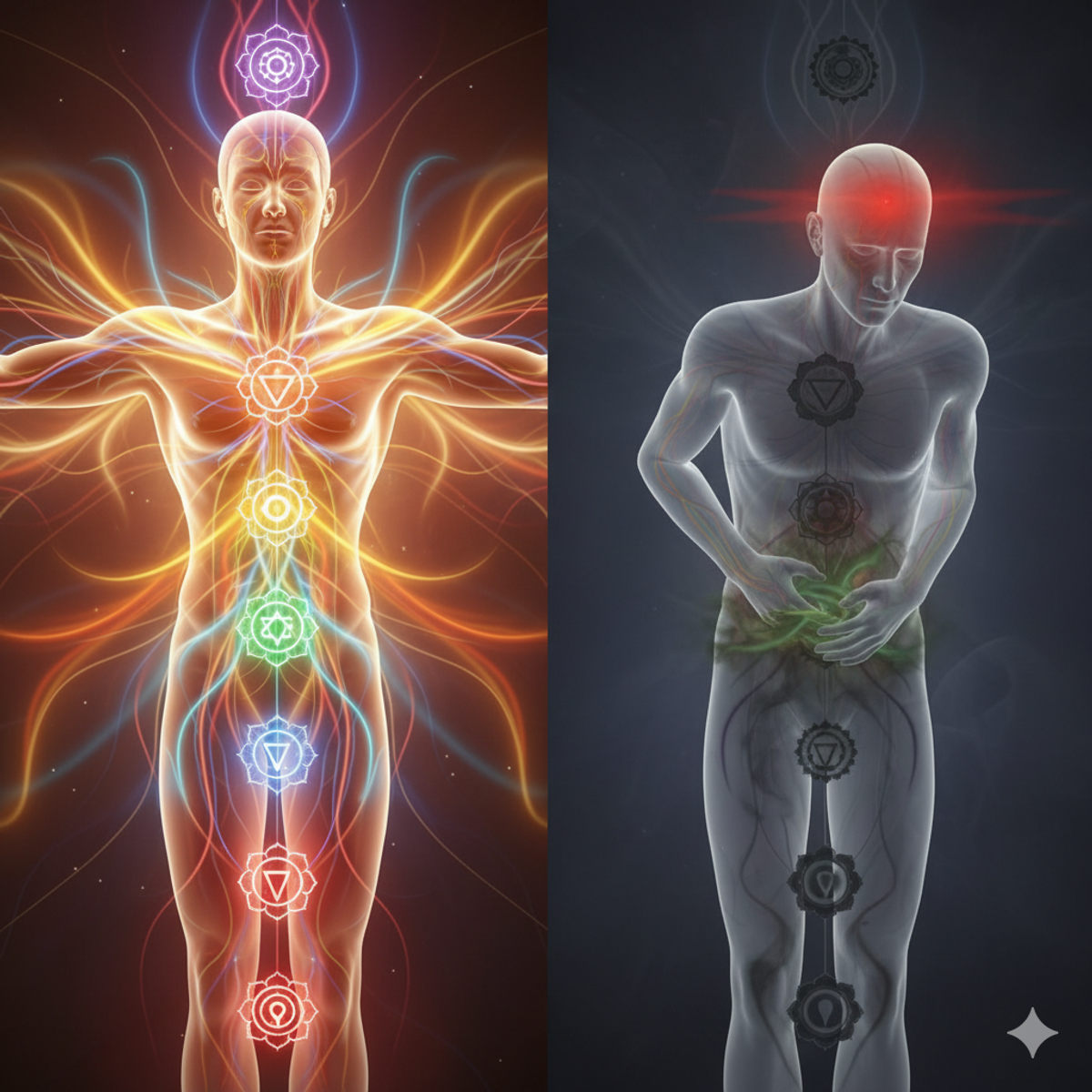
Physical Signs of Chakra Imbalances
Each chakra corresponds to specific areas of the body, making physical symptoms valuable indicators of energetic blocks. Root chakra imbalances often manifest as lower back pain, leg problems, or immune system challenges. Sacral chakra blocks may appear as reproductive issues, lower abdominal discomfort, or urinary problems. Solar plexus imbalances frequently present as digestive issues, stomach tension, or liver problems.
Heart chakra blocks commonly manifest as chest tightness, breathing difficulties, or circulation issues. Throat chakra imbalances may present as neck tension, thyroid problems, or frequent throat infections. Third eye blocks often correspond to headaches, vision problems, or sinus issues. Crown chakra imbalances might manifest as neurological symptoms, sleep disorders, or sensitivity to light and sound.
Emotional and Mental Indicators
Emotional patterns provide equally important information about chakra health. Root chakra imbalances often create anxiety about security, difficulty trusting life's flow, or feeling "ungrounded" and scattered. Sacral chakra blocks may manifest as creative blocks, difficulty experiencing pleasure, or challenges in intimate relationships.
Solar plexus imbalances frequently present as low self-esteem, difficulty making decisions, or feeling powerless in life situations. Heart chakra blocks often create difficulty giving or receiving love, holding grudges, or feeling emotionally disconnected. Throat chakra imbalances may manifest as fear of speaking up, difficulty expressing needs, or feeling misunderstood.
Third eye blocks commonly present as confusion, difficulty making decisions, or feeling disconnected from inner guidance. Crown chakra imbalances often create feelings of spiritual disconnection, lack of purpose, or difficulty accessing inner peace.
How Blocked Energy Affects Daily Life
When energy centers are imbalanced, daily life often feels more challenging and less fulfilling. Work performance may suffer due to lack of confidence (solar plexus) or difficulty communicating effectively (throat chakra). Relationships might struggle due to heart chakra blocks that prevent authentic connection or sacral chakra imbalances that create boundary issues.
Decision-making becomes more difficult when the third eye chakra is blocked, leading to confusion and second-guessing. Financial stress may increase when root chakra imbalances create anxiety about security and survival needs. Creative projects may stagnate when sacral chakra energy is blocked, leading to frustration and unfulfillment.
Self-Assessment Techniques for Energy Awareness
Developing energy awareness begins with mindful body scanning, paying attention to areas of tension, discomfort, or unusual sensations. Regular meditation practice enhances sensitivity to subtle energy shifts and patterns. Journaling about emotional patterns, physical symptoms, and life challenges often reveals chakra imbalance themes.
Notice which life areas consistently create stress or challenge—these often correspond to specific chakra imbalances. Relationship patterns, creative expression, communication styles, and spiritual practices all provide valuable information about energetic health.
Creating a simple daily check-in practice helps maintain awareness of energy patterns before they become problematic. This might involve a few minutes of quiet reflection, body scanning, or asking yourself how each life area feels. Professional guidance from qualified practitioners can provide additional insight and support for developing energy awareness and addressing persistent imbalances.
Reiki Techniques for Chakra Balancing
Effective Reiki chakra balancing combines specific hand positions, conscious breathing, and focused intention to support energy flow through each center. These techniques can be adapted for self-practice or professional sessions, creating flexibility for different needs and circumstances.

Hand Positions for Each Energy Center
Root chakra balancing involves placing hands at the base of the spine or over the hip area, allowing energy to flow into this foundational center. The hand position should feel comfortable and non-intrusive, with palms facing downward to encourage grounding energy. Maintain this position for 3-5 minutes, visualizing red, warm light filling the area.
For the sacral chakra, position hands approximately two inches below the navel, creating a gentle energy bridge across this creative center. The hands can rest lightly on the body or hover slightly above, depending on comfort and preference. Focus on orange, flowing energy that encourages creativity and emotional balance.
Solar plexus chakra work involves hand placement above the navel and below the ribcage, supporting the center of personal power. This position often generates noticeable warmth as energy flows into the area. Visualize bright yellow light filling the solar plexus, encouraging confidence and inner strength.
Heart chakra balancing uses hand positions over the center of the chest, supporting love and connection. This placement often evokes deep emotional responses as blocked energy begins to move. Focus on green or pink light expanding from the heart center, promoting compassion and healing.
Throat chakra work involves gentle hand placement at the base of the throat or slightly above, supporting authentic expression. This delicate area responds well to light touch or hands positioned just above the skin. Visualize blue light clearing communication pathways and encouraging truthful expression.
Third eye chakra balancing uses hand placement between the eyebrows or across the forehead, supporting intuition and clarity. This position often induces deep relaxation and may trigger insights or visual experiences. Focus on indigo or purple light enhancing inner vision and wisdom.
Crown chakra work involves hands positioned on top of or slightly above the head, connecting with spiritual energy. This position creates a natural completion to the chakra balancing sequence and often induces profound states of peace. Visualize white or violet light connecting you to universal consciousness.
Breathing Techniques During Reiki Practice
Conscious breathing amplifies Reiki energy flow and helps both practitioners and recipients enter deeper states of relaxation. Begin each session with several deep breaths, inhaling universal energy and exhaling any tension or resistance. This breath work mirrors techniques used in therapeutic hypnosis to induce relaxed, receptive states.
During chakra work, encourage slow, steady breathing that flows naturally without force. Each inhale can be visualized as drawing healing energy into the specific chakra being addressed, while exhales release any blocked or stagnant energy. This breathing pattern maintains relaxation while supporting energetic movement.
Advanced practitioners often synchronize their breathing with the recipient's natural rhythm, creating energetic harmony that enhances the healing process. This synchronized breathing technique requires practice but significantly deepens the connection between practitioner and recipient.
Visualization Methods for Chakra Alignment
Color visualization provides a powerful tool for chakra balancing, as each energy center corresponds to specific colors and qualities. Begin by visualizing each chakra as a spinning wheel of light in its associated color, noting any areas that appear dim, blocked, or irregular.
Progressive chakra visualization involves starting with the root chakra and moving systematically upward, cleansing and energizing each center before proceeding to the next. This approach creates comprehensive energetic alignment and ensures no centers are overlooked.
Light cord visualization connects each chakra with a stream of flowing white light, creating energetic unity throughout the system. This technique helps integrate the individual chakras into a cohesive energy system that supports overall well-being.
Duration and Frequency Recommendations
Individual chakra balancing sessions typically last 45-60 minutes, allowing adequate time to address each energy center thoroughly. Self-practice sessions can be shorter, focusing on specific chakras that need attention or creating abbreviated sequences for daily maintenance.
Weekly sessions provide optimal support for ongoing chakra balance, though individuals experiencing significant stress or life transitions may benefit from more frequent sessions initially. The gentle nature of Reiki makes it safe for regular practice without risk of overstimulation or adverse effects.
Creating Sacred Space for Practice
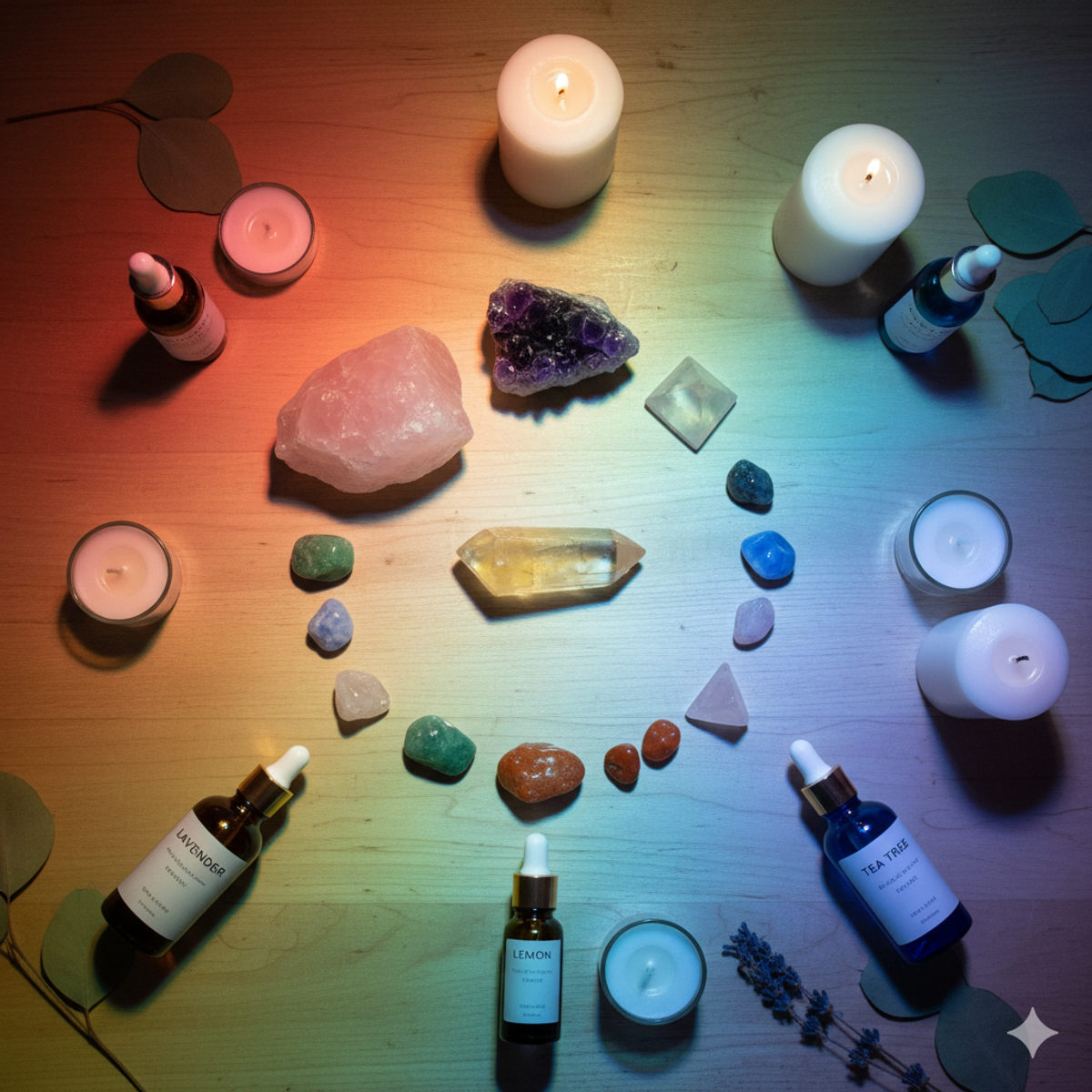
Environmental preparation significantly influences the effectiveness of Reiki chakra balancing. Create a quiet, clean space free from distractions, using soft lighting and comfortable temperature. Some practitioners incorporate crystals, essential oils, or gentle music to enhance the energetic atmosphere.
Setting clear intentions before beginning practice helps focus energy and attention on healing goals. This intention-setting process creates a sacred container for transformation and signals the subconscious mind to enter a receptive state conducive to change and healing.
Combining Reiki with Other Wellness Practices
Integrating Reiki chakra balancing with complementary wellness practices creates a comprehensive approach to healing and personal transformation. This holistic strategy addresses multiple aspects of well-being simultaneously, often accelerating progress and deepening results.
Integrating Meditation and Mindfulness
Meditation naturally complements Reiki practice by cultivating the awareness and presence necessary for effective energy work. Regular meditation develops sensitivity to subtle energy shifts and enhances the ability to direct healing intention consciously. The relaxed, receptive states achieved through meditation mirror the optimal conditions for both Reiki and therapeutic hypnosis.
Mindfulness practices throughout daily life maintain the awareness cultivated during formal Reiki sessions. Simple techniques like conscious breathing, body scanning, and present-moment awareness help maintain energetic balance between formal healing sessions. This ongoing mindfulness creates continuity that supports lasting transformation.
Walking meditation provides an excellent way to ground root chakra energy while maintaining spiritual connection. This practice combines physical movement with conscious awareness, supporting both energetic balance and overall well-being. Nature-based meditation particularly enhances the grounding quality essential for stable chakra function.
Crystal and Gemstone Support
Crystals and gemstones carry specific vibrational qualities that can enhance chakra balancing work. Each energy center resonates with particular stones that amplify healing energy and support balance. Red jasper and hematite support root chakra grounding, while carnelian and orange calcite enhance sacral chakra creativity.
Citrine and yellow jasper complement solar plexus work by encouraging confidence and personal power. Rose quartz and green aventurine support heart chakra healing, promoting love and emotional balance. Blue lace agate and aquamarine enhance throat chakra communication, while amethyst and lapis lazuli support third eye intuition.
Clear quartz and selenite provide excellent crown chakra support, enhancing spiritual connection and overall energy amplification. These stones can be placed on or around the body during Reiki sessions, worn as jewelry, or used in environmental energy clearing.
Aromatherapy and Essential Oils
Essential oils offer another layer of sensory support for chakra balancing work. Grounding oils like patchouli, vetiver, and cedarwood support root chakra stability, while sweet orange and ylang-ylang enhance sacral chakra creativity and emotional flow.
Lemon, ginger, and peppermint oils complement solar plexus work by encouraging confidence and mental clarity. Heart chakra healing benefits from rose, bergamot, and eucalyptus oils that support emotional opening and healing. Throat chakra work pairs well with chamomile, lavender, and tea tree oils that encourage clear communication.
Frankincense, sandalwood, and rosemary support third eye chakra intuition and mental clarity. Crown chakra work benefits from lotus, neroli, and white angelica oils that enhance spiritual connection and consciousness expansion. Always dilute essential oils appropriately and consider individual sensitivities when incorporating aromatherapy into healing sessions.
Ready to restore your energy balance?
Book a personalized Reiki session with Vittoria Fazio.
How Hypnotherapy Complements Energy Work
Therapeutic hypnosis and Reiki create powerful synergy by addressing both energetic and psychological aspects of healing simultaneously. The relaxed states induced by Reiki mirror the brain wave patterns optimal for hypnotic work, making the combination particularly effective for deep transformation.
Reiki sessions often naturally induce the theta brain wave states used in therapeutic hypnosis, creating ideal conditions for subconscious reprogramming and healing. This neurological overlap means that individuals receiving Reiki become more receptive to positive suggestions and therapeutic interventions.
Professional practitioners trained in both modalities can seamlessly integrate energy work with hypnotic techniques to address complex issues like anxiety, trauma, and limiting beliefs. This comprehensive approach recognizes that lasting change often requires addressing both energetic blocks and subconscious programming patterns.
The combination proves particularly effective for issues like stress management, fear resolution, and habit change, where both energetic alignment and mental reprogramming support optimal outcomes. Many clients find that regular Reiki sessions enhance their responsiveness to hypnotherapy and accelerate their progress toward wellness goals.
Building a Holistic Wellness Routine
Creating sustainable wellness routines requires balancing formal healing sessions with daily maintenance practices. This might include brief morning chakra meditations, evening gratitude practices, and weekly professional sessions that provide deeper support and guidance.
Seasonal adjustments to wellness routines honor the body's natural rhythms and changing energetic needs. Spring might emphasize heart and throat chakra work to support new growth and expression, while autumn focuses on root and solar plexus chakras to support grounding and inner strength.
Professional guidance helps individuals develop personalized wellness routines that address their unique needs, challenges, and goals. This support ensures that various modalities work together synergistically rather than creating overwhelm or contradiction. Regular check-ins with qualified practitioners help adjust approaches as needs evolve and progress unfolds.
Advanced Reiki Chakra Techniques
As practitioners develop experience and sensitivity, advanced techniques can deepen and refine chakra balancing work. These approaches require solid foundational skills and often benefit from professional training or mentorship to ensure safe and effective application.

Distance Reiki for Chakra Work
Distance Reiki operates on the principle that energy transcends physical boundaries, allowing practitioners to send healing energy across space and time. This technique proves particularly valuable for chakra balancing when in-person sessions aren't possible or when providing ongoing support between regular appointments.
Advanced practitioners use specific symbols and intentions to establish energetic connection with distant recipients. The process involves entering a meditative state, setting clear healing intentions, and visualizing the recipient's energy field as if they were present. This visualization includes seeing each chakra clearly and directing appropriate healing energy to areas needing support.
Distance chakra work often incorporates surrogate techniques, where practitioners work on themselves or a substitute while maintaining energetic connection to the actual recipient. This approach allows for precise hand positioning and energy direction while maintaining the distance connection established through intention and visualization.
The effectiveness of distance work often surprises both practitioners and recipients, as the energy quality remains consistent regardless of physical proximity. Many clients report experiencing the same sensations, insights, and benefits from distance sessions as they do from in-person work, confirming the non-local nature of consciousness and energy.
Group Chakra Balancing Sessions
Group sessions create powerful collective energy fields that amplify individual healing while building community connections. The shared intention and combined energy of multiple participants often produces profound experiences that exceed what might occur in individual sessions.
Facilitating group chakra work requires careful attention to group dynamics, individual needs, and energetic boundaries. Practitioners must maintain awareness of multiple energy fields simultaneously while ensuring each participant feels supported and safe throughout the process.
Guided group meditations combined with collective Reiki energy create supportive environments for deep healing and transformation. Participants often report feeling held by the group energy in ways that allow them to release blocks and patterns they might not access alone. This collective support mirrors therapeutic group dynamics while adding the dimension of energetic healing.
Seasonal and Lunar Cycle Considerations
Advanced practitioners recognize that natural cycles influence energy flow and chakra balance, adjusting their approach according to seasonal and lunar rhythms. Spring energy naturally supports heart and throat chakra work as life force expands and new growth emerges. Summer's abundant energy enhances solar plexus and sacral chakra balancing, supporting personal power and creativity.
Autumn energy draws focus to root and solar plexus chakras as natural systems prepare for winter's introspection. Winter naturally supports crown and third eye work, as the quiet season encourages spiritual reflection and inner development. These seasonal adjustments honor natural energy patterns and often produce more harmonious results.
Lunar cycles also influence energetic work, with new moons supporting intention-setting and fresh starts, while full moons enhance release and clearing work. Practitioners may time intensive chakra clearing sessions around full moons and focus on building new energy patterns during new moon periods.
Maintaining Long-term Spiritual Alignment
Advanced practice requires ongoing attention to personal spiritual development and energy maintenance. Regular self-care practices, continued education, and spiritual mentorship help practitioners maintain the clear, balanced energy necessary for effective healing work.
Developing discernment about energetic boundaries becomes crucial as sensitivity increases. Advanced practitioners learn to work with challenging energy without taking it on personally, maintaining compassionate detachment that serves both practitioner and client well-being.
Integration of advanced techniques requires patience and practice, as subtle energy work develops gradually over time. Many practitioners find that their abilities continue expanding years into their practice, making ongoing study and professional development essential components of advanced work.
The combination of technical skill, spiritual development, and practical experience creates the foundation for truly masterful energy work. This mastery serves not only individual clients but contributes to the broader healing and transformation possible in our world today.
Measuring Progress and Maintaining Balance
Tracking progress in energy work requires attention to subtle changes across physical, emotional, mental, and spiritual dimensions. Unlike purely physical interventions, energetic healing often produces gradual improvements that may not be immediately obvious without conscious attention and measurement.
Tracking Energy Improvements
Developing awareness of energetic changes begins with establishing baseline measurements of current well-being. This might involve rating energy levels, emotional stability, sleep quality, and overall life satisfaction on a simple scale. Regular weekly or monthly check-ins help identify patterns and improvements that might otherwise go unnoticed.
Physical symptom tracking provides concrete evidence of energetic shifts, as chakra imbalances often manifest in bodily tension, pain, or dysfunction. Many clients notice improvements in chronic issues like headaches, digestive problems, or sleep disturbances following consistent chakra balancing work. Documenting these changes validates the effectiveness of energy work and motivates continued practice.
Emotional awareness tracking involves noting shifts in mood patterns, stress responses, and relationship dynamics. Individuals often report feeling more grounded, confident, or emotionally stable following regular Reiki chakra work. These improvements in emotional regulation frequently translate into better relationships and increased life satisfaction.
Spiritual progress indicators include increased sense of purpose, enhanced intuition, and deeper connection to inner guidance. Many people experience greater clarity about life direction and improved ability to make decisions aligned with their authentic selves. These spiritual developments often emerge gradually and require consistent attention to recognize fully.
Creating Sustainable Daily Practices
Long-term success with chakra balancing depends on developing sustainable daily practices that maintain energetic health between formal sessions. Simple morning routines might include brief chakra visualization, gratitude practice, or intention setting for the day ahead. These practices take only a few minutes but create significant cumulative benefits over time.
Evening practices help process daily stress and maintain energetic clarity. This might involve gentle self-Reiki, chakra breathing exercises, or releasing visualizations that clear any accumulated tension or negativity. Consistent evening practices often improve sleep quality and next-day energy levels.
Weekly self-assessment and adjustment periods allow for fine-tuning daily practices based on current needs and circumstances. Life changes, seasonal shifts, and personal growth may require modifications to maintain optimal energetic balance. This flexibility prevents practices from becoming stale or ineffective.
When to Seek Professional Guidance
Professional support becomes valuable when self-practice reaches plateaus or when dealing with complex issues that require specialized knowledge. Certified practitioners offer objective assessment, advanced techniques, and professional training that can accelerate progress and ensure safety.
Individuals experiencing significant life transitions, trauma, or persistent imbalances often benefit from professional guidance that addresses both energetic and psychological aspects of healing. The combination of Reiki and therapeutic hypnosis proves particularly effective for complex issues requiring both energy work and subconscious reprogramming.
Regular professional sessions, even when maintaining strong self-practice, provide objective feedback and support that individuals cannot give themselves. Professional practitioners can identify blind spots, suggest technique refinements, and provide accountability that enhances long-term success.
Building Community Support
Connecting with others interested in energy work creates supportive community that enhances individual practice and provides encouragement during challenging periods. Local meditation groups, spiritual communities, or energy healing circles offer opportunities to share experiences and learn from others' journeys.
Online communities and resources provide access to broader support networks and educational opportunities. However, discernment becomes important when choosing online resources, as quality and accuracy can vary significantly. Professional associations and certified practitioner networks often provide reliable resource recommendations.
Finding practitioners who understand and support holistic approaches to healing creates valuable professional relationships that enhance overall well-being. Building a team of supportive practitioners—perhaps including a Reiki practitioner, therapeutic hypnotherapist, and other wellness professionals—creates comprehensive support for ongoing growth and healing.
Your Journey to Energetic Wellness
Reiki chakra balancing offers a gentle yet powerful pathway to enhanced well-being that honors the interconnection of mind, body, and spirit. Through understanding your energy centers and applying these time-tested techniques, you create opportunities for profound healing and transformation that extend far beyond temporary symptom relief.
The journey of energetic wellness requires patience, consistency, and compassion for yourself as you develop new awareness and skills. Remember that lasting change occurs gradually, and each small step toward balance creates foundation for continued growth and expansion. Trust your inner wisdom to guide you toward the practices and support that serve your highest good.
Consider exploring how therapeutic hypnosis can complement your energy work, as the combination of modalities often accelerates healing and supports lasting transformation. Professional guidance provides valuable support for navigating complex healing journeys and ensures you receive the comprehensive care you deserve.
Your commitment to energetic wellness contributes not only to your personal healing but to the collective healing of our world, as balanced individuals naturally create more harmony and peace in their relationships and communities.