

When Crisis Calls for Immediate Intervention
Life rarely gives us advance notice when crisis strikes. Whether it's a sudden panic attack that leaves someone gasping for breath, an unexpected traumatic event, or a sleep deprivation emergency that threatens someone's safety, these moments demand immediate, effective intervention. This is where emergency hypnotherapy steps in as a powerful tool for crisis intervention.
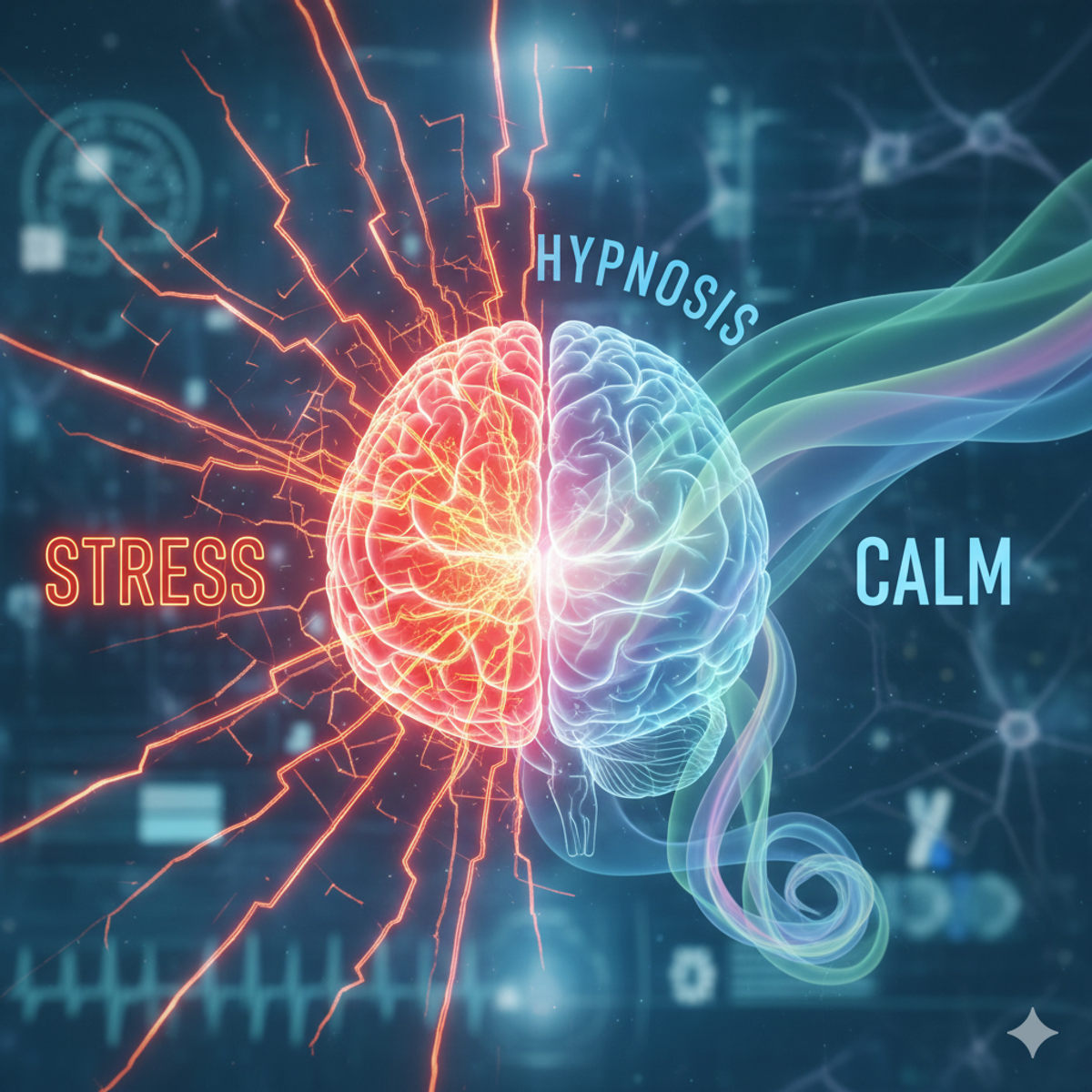
Emergency hypnotherapy represents a specialized branch of therapeutic practice that addresses urgent psychological and emotional crises through rapid, targeted intervention techniques. Unlike routine hypnosis sessions that may unfold over several weeks or months, crisis hypnosis focuses on immediate stabilization and symptom relief during acute distress periods.
The role of trained practitioners in these urgent scenarios cannot be overstated. When someone experiences overwhelming anxiety, severe insomnia, or acute trauma responses, they need immediate support from professionals who understand both the power of hypnotic techniques and the delicate nature of crisis intervention. These practitioners must possess not only advanced technical skills but also the emotional intelligence and crisis management experience to guide clients through their most vulnerable moments.
However, it's important to establish realistic expectations for crisis intervention outcomes. Emergency hypnotherapy isn't about instant miracles or overnight transformations. Instead, it focuses on immediate stabilization, symptom management, and creating a foundation for longer-term healing and growth. The goal is to help individuals regain a sense of control and safety while addressing the immediate crisis at hand. This approach often provides the crucial breathing room needed for clients to access additional resources and continue their healing journey through more comprehensive therapeutic programs.
What Constitutes Emergency Hypnotherapy?
Emergency hypnotherapy addresses situations where individuals experience acute psychological distress that requires immediate intervention to prevent escalation or ensure safety. These circumstances typically involve intense emotional states that significantly impair someone's ability to function or cope with their immediate environment.
Defining crisis situations requires understanding the difference between everyday stress and true emergencies. Crisis situations often include severe panic attacks that don't respond to standard coping techniques, acute trauma responses following unexpected events, critical sleep deprivation that threatens physical safety, or addiction-related emergencies where someone needs immediate support to prevent harmful behaviors. These situations share common characteristics: they're time-sensitive, involve significant distress, and require specialized intervention techniques.
Distinguishing between urgent needs and routine sessions helps practitioners prioritize their response appropriately. Routine hypnosis sessions address ongoing concerns like habit change, confidence building, or gradual anxiety management. In contrast, urgent situations involve immediate risk to wellbeing, severe symptom presentation, or circumstances where delay might result in escalation or harm.
Common emergency scenarios encountered in practice include individuals experiencing panic attacks in public spaces, recent accident survivors dealing with acute stress responses, people facing critical insomnia after major life changes, professionals experiencing severe performance anxiety before important events, or individuals in early addiction recovery facing overwhelming cravings. Each scenario requires rapid assessment and immediate intervention using specialized crisis protocols.
The time-sensitive nature of crisis hypnosis interventions sets this practice apart from traditional therapeutic approaches. While regular hypnosis sessions can be scheduled days or weeks in advance, emergency situations demand immediate availability and rapid response capabilities. Practitioners must be prepared to shift quickly from routine therapeutic work to crisis intervention mode, adapting their techniques to address urgent needs while maintaining safety protocols. This might involve shortened session formats, modified induction techniques, or collaborative approaches with other emergency professionals to ensure comprehensive care during critical moments.
Immediate Applications for Panic and Acute Anxiety
When panic strikes, the experience can feel overwhelming and all-consuming. Rapid intervention techniques for panic attacks focus on immediate nervous system regulation and cognitive stabilization. The hypnotic approach begins with rapid grounding techniques that help individuals reconnect with their physical environment and interrupt the panic cycle before it reaches peak intensity.

Crisis hypnosis protocols for overwhelming anxiety typically start with breathing regulation combined with focused attention techniques. Practitioners guide clients through progressive muscle relaxation while simultaneously using verbal pacing that matches and then gradually slows the client's elevated breathing pattern. This approach helps activate the parasympathetic nervous system, creating physiological shifts that support emotional regulation.
The technique involves establishing immediate rapport through voice matching and then gradually introducing calming suggestions that build upon the client's existing coping resources. For example, a practitioner might guide someone through a visualization of their safest space while simultaneously incorporating bilateral stimulation techniques that help process the overwhelming sensations. This combination approach addresses both the physical symptoms of panic and the cognitive overwhelm that often accompanies acute anxiety episodes.
Stabilization methods for acute stress responses require practitioners to assess the individual's current capacity for complex interventions. Some clients benefit from simple anchoring techniques where they learn to associate a specific physical gesture with a calm, controlled state. Others respond well to immediate resource installation, where positive memories or experiences are amplified and made more accessible during moments of distress.
See how hypnosis can support your goals
Book a free 30-minute phone consultation to get personalized guidance.
Real-world applications demonstrate the effectiveness of these approaches. One individual experiencing severe performance anxiety before a crucial presentation found relief through a fifteen-minute emergency session focused on confidence anchoring and visualization. Another person dealing with panic attacks during medical procedures learned rapid self-regulation techniques that allowed them to complete necessary treatments. A professional facing overwhelming work-related anxiety discovered breathing-focused hypnosis techniques that provided immediate relief and prevented the need for extended time off.
These interventions often create immediate shifts in perceived control and emotional regulation. However, the goal isn't to eliminate all anxiety instantly, but rather to reduce symptoms to manageable levels while building the individual's confidence in their ability to cope with challenging situations. This approach often provides the foundation for ongoing therapeutic work while addressing the immediate crisis effectively.
Trauma Response and Crisis Stabilization
Recent traumatic events create unique challenges that require immediate, specialized intervention approaches. First-response hypnotherapy for trauma focuses on stabilization rather than processing, recognizing that individuals in acute trauma states need safety and grounding before any deeper therapeutic work can begin.

The primary goal involves preventing escalation of trauma symptoms while supporting the individual's natural resilience mechanisms. This approach recognizes that trauma responses are normal reactions to abnormal events, and the intervention focuses on supporting adaptive coping rather than pathologizing the individual's experience. Practitioners work to establish safety, provide emotional regulation support, and prevent the development of maladaptive coping patterns that might complicate longer-term recovery.
Emergency intervention approaches for dissociation require particular sensitivity and specialized techniques. When individuals experience disconnection from their body or surroundings following trauma, practitioners use grounding techniques that gently reconnect them with their present-moment experience. These might include guided sensory awareness exercises, gentle movement techniques, or progressive grounding sequences that help individuals feel more present and connected.
The hypnotic approach to trauma stabilization often incorporates resource-focused techniques that help individuals access their existing strengths and coping abilities. Rather than focusing on the traumatic event itself, practitioners help clients connect with times when they felt safe, capable, and resourceful. These positive states are then anchored and made more accessible, providing individuals with internal resources they can draw upon during difficult moments.
Supporting clients through acute trauma responses requires practitioners to maintain careful attention to the individual's window of tolerance—the zone where they can process experience without becoming overwhelmed or disconnected. This might involve titrating interventions, meaning breaking them into smaller, more manageable pieces, or adjusting the intensity of techniques based on the client's current capacity.
Collaboration with other crisis professionals becomes essential in trauma response situations. Hypnotherapy practitioners often work alongside medical professionals, crisis counselors, and emergency responders to provide comprehensive care. This team approach ensures that individuals receive appropriate medical attention while also accessing psychological support that addresses their emotional and mental wellbeing needs during critical periods.
The integration of emergency hypnotherapy with other crisis interventions creates a more complete support system that addresses multiple aspects of trauma response simultaneously, improving overall outcomes and supporting more effective long-term recovery processes.
Sleep Crisis and Severe Insomnia Interventions
Critical sleep deprivation creates genuine emergency situations that can threaten both physical safety and mental wellbeing. When individuals experience severe insomnia lasting multiple days, their cognitive function, emotional regulation, and physical health become significantly compromised, requiring immediate intervention to prevent more serious complications.

Emergency protocols for sleep disorders focus on rapid nervous system regulation and the establishment of immediate rest, even if full sleep isn't immediately achievable. The hypnotic approach recognizes that forcing sleep often creates additional anxiety and resistance, so techniques focus on deep relaxation states that provide restorative benefits while reducing the pressure to achieve perfect sleep.
Addressing critical sleep deprivation emergencies often involves progressive relaxation techniques combined with guided imagery that helps quiet racing thoughts and physical tension. Practitioners might use countdown inductions that help individuals move into increasingly deeper states of rest, or story-telling techniques that engage the imagination while allowing the conscious mind to gradually disengage from wakeful concerns.
The approach typically includes teaching individuals rapid self-regulation techniques they can use independently when sleep difficulties arise. These might include breathing-focused exercises, progressive muscle relaxation sequences, or visualization techniques that help create internal conditions conducive to rest. The goal is providing immediate relief while building long-term sleep management skills.
Urgent intervention techniques for sleep restoration often incorporate environmental modifications combined with hypnotic suggestions. This might involve guidance on creating optimal sleep conditions while simultaneously using therapeutic suggestions that help reset disrupted sleep patterns. The combination addresses both external factors contributing to insomnia and internal states that interfere with natural sleep processes.
Managing insomnia-related crisis situations requires understanding the underlying factors contributing to sleep disruption. These might include acute stress, major life transitions, medical concerns, or anxiety about sleep itself. Emergency hypnotherapy addresses these contributing factors while providing immediate symptom relief, creating a more comprehensive approach to crisis intervention.
The effectiveness of these interventions often becomes apparent within the first session, with many individuals experiencing improved rest that night. However, ongoing support typically proves beneficial for addressing underlying patterns and building robust sleep management skills that prevent future crises.
Addiction Crisis Support
Addiction-related emergencies present unique challenges requiring immediate, compassionate intervention that supports individuals through their most vulnerable moments. Emergency hypnotherapy during relapse situations focuses on harm reduction, immediate stabilization, and reconnection with recovery resources rather than judgment or confrontation.

Crisis intervention for withdrawal symptoms involves supporting individuals through the physical and emotional challenges of detoxification while maintaining safety and comfort. Hypnotic techniques can help manage anxiety, reduce cravings, and provide emotional regulation support during this critical period. The approach recognizes that withdrawal symptoms create genuine distress and focuses on providing relief while supporting the individual's commitment to recovery.
The hypnotic approach to addiction crisis support often incorporates visualization techniques that help individuals reconnect with their motivation for recovery. This might involve guided imagery focused on their goals, values, and the life they want to create, helping them remember why recovery matters to them during moments when cravings feel overwhelming.
Urgent intervention support for addiction emergencies frequently includes anchoring techniques that help individuals access states of clarity and determination when faced with triggers or challenging situations. These techniques provide internal resources that can be activated quickly when external circumstances threaten recovery stability.
Ready to explore what hypnosis can do for you?
Reserve a free 30-minute phone consultation and get your questions answered.
Supporting clients through critical addiction phases requires understanding that recovery isn't a linear process and that setbacks don't represent failure. Emergency hypnotherapy provides immediate support during difficult moments while helping individuals develop stronger coping mechanisms for future challenges. This approach reduces shame and self-judgment while building practical skills for managing addiction-related difficulties.
The integration of hypnotherapy with other addiction support services creates more comprehensive care during crisis situations. This might involve coordination with medical professionals managing withdrawal symptoms, collaboration with addiction counselors providing ongoing support, or connection with peer support groups that offer community and understanding.
Emergency hypnotherapy for addiction crisis often provides the immediate stabilization needed for individuals to access other recovery resources and continue their healing journey. The approach focuses on building hope, strengthening motivation, and providing practical tools while addressing the immediate crisis compassionately and effectively.
Professional Protocols and Safety Measures
Establishing emergency hypnotherapy availability requires careful planning and clear protocols that ensure individuals in crisis can access support when they need it most. This involves creating systems for after-hours contact, rapid response capabilities, and clear guidelines for determining when emergency intervention is appropriate versus when referral to medical emergency services is necessary.
Professional practitioners must develop comprehensive screening protocols that quickly assess the severity of crisis situations and determine appropriate intervention levels. This assessment includes evaluating immediate safety concerns, the individual's current support system, and their capacity to engage in hypnotic techniques during periods of acute distress.
Safety protocols for crisis hypnosis sessions require modifications to standard therapeutic procedures to accommodate the urgent nature of these interventions. This might involve conducting sessions in various locations, adapting techniques for telephone or video delivery, or working collaboratively with other professionals to ensure comprehensive care during critical moments.
Practitioners must clearly understand when to refer clients to emergency medical services rather than providing hypnotic intervention. Situations involving thoughts of self-harm, substance abuse requiring medical supervision, or symptoms suggesting serious medical conditions require immediate medical attention. Hypnotherapy practitioners play a supportive role in these situations rather than serving as primary crisis responders.
Documentation protocols for emergency sessions require careful attention to both clinical needs and legal requirements. This includes recording assessment findings, intervention techniques used, client responses, and follow-up plans while maintaining appropriate confidentiality protections even during crisis situations.
Follow-up procedures ensure that individuals receive appropriate ongoing support after emergency intervention. This typically involves scheduling regular sessions within 24-48 hours, connecting clients with additional resources, and coordinating care with other professionals involved in their support system.
Practitioner self-care during crisis interventions becomes essential for maintaining effectiveness and preventing burnout. Emergency work creates additional emotional demands that require specific attention to stress management, professional support, and personal wellbeing practices. This might include peer consultation, regular supervision, and clear boundaries around availability and intervention scope.
The development of professional protocols ensures that emergency hypnotherapy services are delivered safely, effectively, and ethically while supporting both client wellbeing and practitioner sustainability during challenging interventions.
Building Your Emergency Hypnotherapy Toolkit

Essential techniques for crisis situations focus on rapid, effective interventions that can be implemented quickly regardless of environmental constraints. These foundational techniques include progressive muscle relaxation sequences that can be guided in under ten minutes, breathing regulation protocols that provide immediate nervous system support, and grounding techniques that help individuals reconnect with their present-moment experience during overwhelming situations.
Rapid induction methods for emergency intervention require adaptation of traditional hypnotic approaches to accommodate urgent timeframes and heightened stress states. These might include instant relaxation techniques using physical anchors, rapid eye movement protocols that quickly shift consciousness states, or confusion techniques that interrupt escalating anxiety patterns and create opportunities for therapeutic suggestion.
The emergency toolkit includes visualization techniques specifically designed for crisis intervention, such as safe place imagery that can be established quickly and accessed independently, resource installation methods that amplify existing coping abilities, and future pacing techniques that help individuals envision successfully managing their current challenges.
Portable resources for urgent intervention delivery ensure practitioners can provide effective support regardless of location or circumstances. This includes laminated reference cards with key technique protocols, portable audio equipment for guided sessions, and mobile applications that support relaxation and regulation techniques when in-person intervention isn't immediately available.
Preparation strategies for practitioners involve regular training updates focused on crisis intervention techniques, scenario-based practice sessions that build confidence and competence, and ongoing education about trauma-informed approaches that ensure interventions remain safe and effective during vulnerable moments.
The toolkit development process requires attention to individual practitioner strengths and practice focus areas. Some professionals specialize in anxiety-related emergencies, while others focus on trauma response or addiction crisis support. Building expertise in specific areas allows for more effective intervention while ensuring practitioners can make appropriate referrals when situations fall outside their area of specialization.
Regular toolkit updates ensure techniques remain current with best practices and emerging research in crisis intervention and emergency mental health support. This ongoing development process supports practitioner confidence and client safety during critical interventions.
The Vital Role of Crisis Hypnosis
Emergency hypnotherapy provides essential support during life's most challenging moments, offering immediate relief when traditional coping mechanisms feel inadequate. Through rapid intervention techniques, crisis stabilization methods, and compassionate professional support, individuals experiencing acute distress can access effective tools for managing overwhelming situations while building foundations for longer-term healing and growth.
The evidence demonstrates that timely hypnotic intervention during crisis situations can prevent symptom escalation, reduce the need for more intensive interventions, and support individuals' natural resilience mechanisms during vulnerable periods. Whether addressing panic attacks, trauma responses, sleep crises, or addiction emergencies, specialized crisis hypnosis techniques provide hope and practical support when people need it most.
For practitioners, developing emergency intervention capabilities requires ongoing training, clear protocols, and commitment to ethical, trauma-informed approaches that prioritize client safety and wellbeing above all other considerations. This specialization serves a critical need in our communities while providing meaningful opportunities to make immediate, positive impacts during people's most difficult moments.
If you're currently experiencing a crisis situation that might benefit from emergency hypnotherapy support, know that help is available and that your current struggles don't define your future possibilities. Professional crisis intervention can provide the immediate stabilization and support needed to navigate challenging circumstances while building stronger coping resources for ongoing wellbeing and personal growth.