Introduction: Understanding Hypnotherapy Session Length
When considering hypnotherapy for personal transformation, one of the most common questions clients ask is about session duration. Understanding how long a hypnotherapy session should last is crucial for setting realistic expectations and maximizing your investment in personal growth.
The length of a hypnotherapy session directly impacts therapeutic outcomes. Unlike a quick chat with a friend or a brief medical appointment, hypnotherapy requires sufficient time to create a safe space, guide you into a relaxed state, and facilitate meaningful change work. This process cannot be rushed without compromising effectiveness.
Many clients initially expect sessions similar to traditional counseling - perhaps 45 to 50 minutes. However, hypnotherapy operates differently. The process involves multiple phases including preparation, induction, therapeutic work, and integration time. Each phase requires adequate attention to ensure optimal results.
Several factors influence session timing, including your individual needs, the complexity of what you're working on, your responsiveness to hypnotic techniques, and your practitioner's approach. Your first session may differ significantly from follow-up appointments as rapport builds and your comfort level increases.
The session duration also varies based on whether you're addressing anxiety management, habit modification, confidence building, or deeper personal transformation work. Understanding these variables helps you plan your journey more effectively and approach hypnotherapy with informed expectations rather than assumptions.
Standard Hypnotherapy Session Duration: Industry Guidelines
Professional hypnotherapy standards typically recommend session lengths between 60 to 90 minutes. This timeframe allows adequate opportunity for all essential components of effective hypnotherapy work while respecting both client comfort and practitioner expertise.
Most certified practitioners structure their sessions within this range, with 75-minute sessions being particularly common. This duration provides sufficient time for thorough check-ins, gradual relaxation induction, focused therapeutic work, and proper emergence from the hypnotic state without feeling rushed.
Compared to other therapeutic modalities, hypnotherapy sessions tend to be longer than traditional counseling but shorter than intensive therapy workshops. While psychotherapy sessions often last 45-50 minutes, and life coaching calls might run 30-60 minutes, hypnotherapy requires additional time for the induction and emergence processes that are unique to this approach.
The International Federation for Holistic and Energetic Coaching (IFHEC) and similar professional organizations emphasize that adequate session time is essential for client safety and therapeutic effectiveness. Rushing through hypnotic induction or cutting short the integration period can diminish results and leave clients feeling incomplete.
However, session length isn't arbitrary. Experienced practitioners understand that longer doesn't automatically mean better. The optimal duration balances thoroughness with client attention span and comfort level. Some individuals may find sessions longer than 90 minutes mentally exhausting, while others benefit from extended work.
Professional standards also consider the practitioner's training level and specialization. A certified master practitioner with extensive experience may accomplish more in a focused 60-minute session than someone with basic training might achieve in 90 minutes. Quality of interaction often matters more than strict time parameters.
The key is finding practitioners who follow evidence-based timing guidelines while remaining flexible enough to adjust duration based on individual client needs and session-specific circumstances.

Ready to explore what hypnosis can do for you?
Reserve a free 30-minute phone consultation and get your questions answered.
Factors That Influence Treatment Time
Individual responsiveness to hypnotic techniques varies significantly among clients. Some people naturally enter relaxed, receptive states quickly, while others require more time to feel comfortable and begin responding to suggestions. Your unique nervous system, personality traits, and previous experiences with relaxation or meditation all influence how much time you'll need.
The complexity of your presenting situation directly impacts session duration. Working on simple habit modifications like nail-biting may require less intensive time than addressing deeper patterns around self-worth or managing chronic anxiety. Multi-layered issues often need extended exploration and intervention time to create lasting change.
Your hypnotic susceptibility - essentially how readily you respond to hypnotic techniques - affects timing considerably. Highly responsive individuals might achieve significant progress in shorter timeframes, while those who need more gradual approaches benefit from longer, gentler sessions that honor their natural pace of change.
Practitioner experience level substantially influences session efficiency. A certified master practitioner with years of training can often identify the most effective approaches more quickly, streamline the induction process, and work more precisely during the therapeutic intervention phase. Less experienced practitioners may need additional time to navigate challenges or adjust techniques.
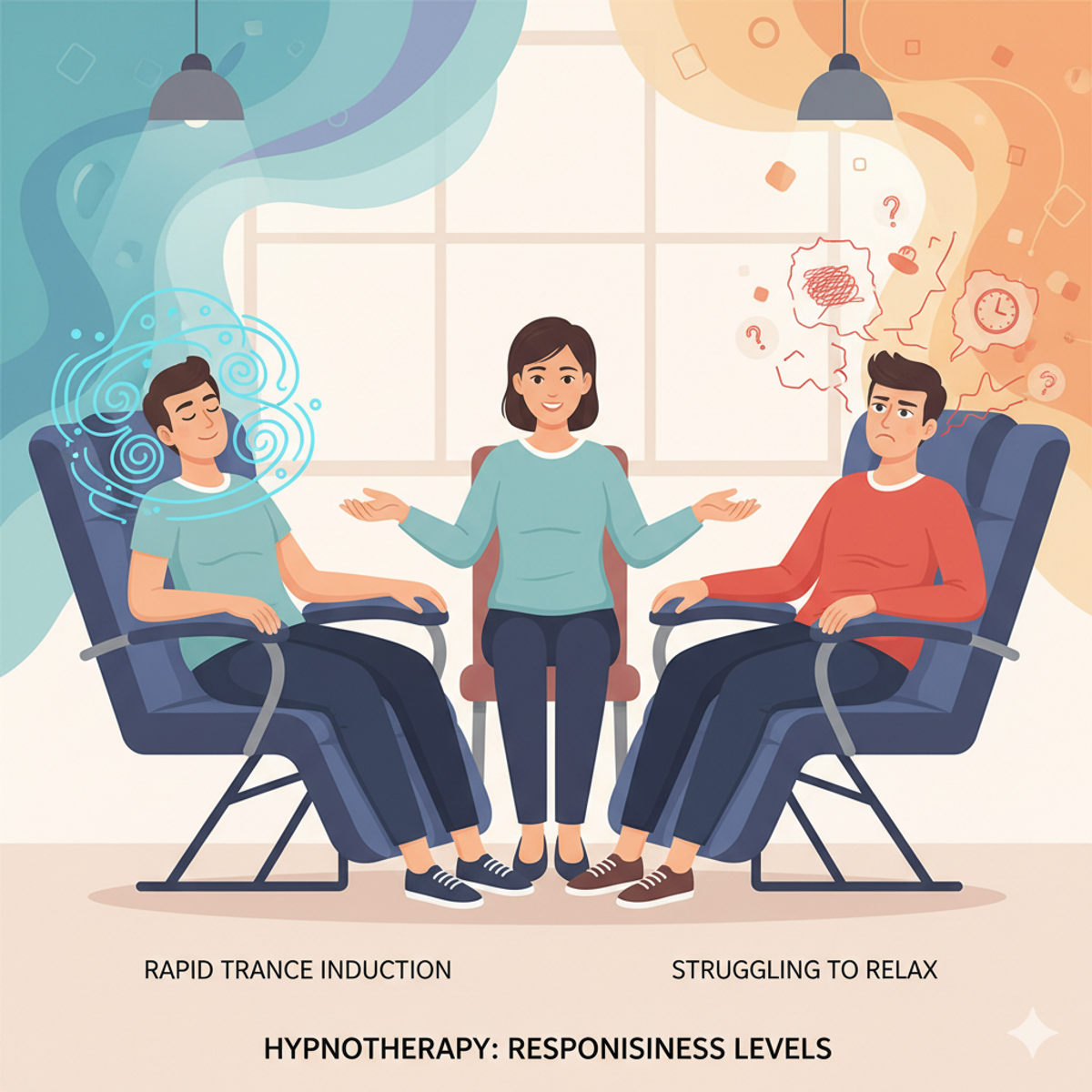
The specific hypnotherapeutic approach being used also determines timing needs. Direct suggestion techniques might require less time than analytical approaches that explore underlying causes. Regression work typically needs longer sessions than simple relaxation training or confidence building exercises.
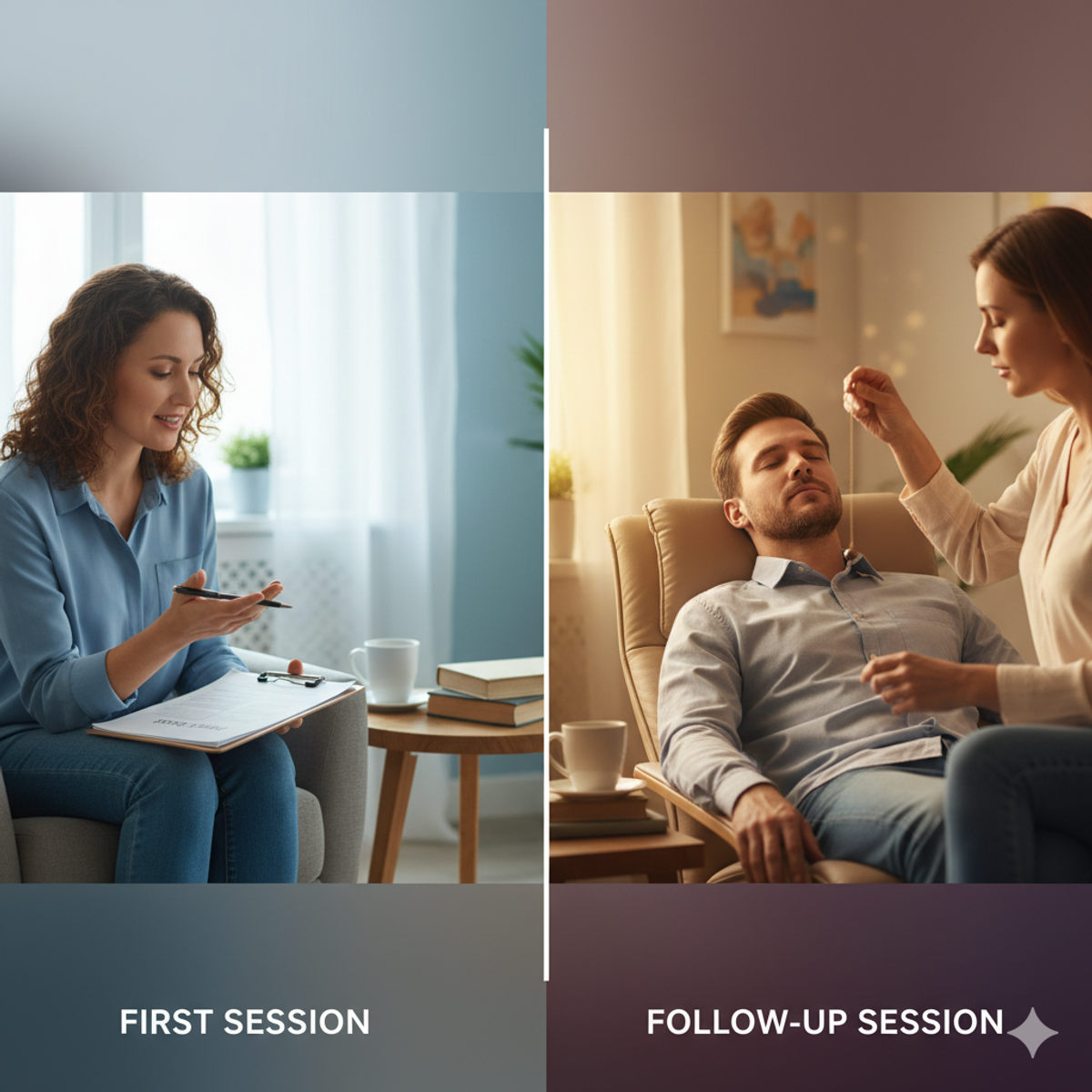
Your comfort level with your practitioner affects how quickly you can relax and engage with the process. Strong therapeutic rapport often develops over multiple sessions, allowing for more efficient work as trust builds. First sessions frequently take longer simply because everything is new and unfamiliar.
Environmental factors play a role too. If you're working with someone virtually versus in-person, or if you're easily distracted by external sounds or concerns, additional time may be needed to create the optimal internal state for therapeutic work.
Current stress levels, sleep quality, and overall life circumstances influence your capacity to focus and engage deeply. During particularly challenging life periods, you might need longer sessions or more frequent check-ins to achieve the same results that would come more easily during calmer times.
First Session vs. Follow-Up Sessions: What to Expect
Your initial hypnotherapy consultation typically requires more time than subsequent sessions due to the comprehensive intake process. This first meeting involves detailed discussion about your goals, previous experiences, current challenges, and any concerns about hypnosis itself. Building initial rapport and establishing trust takes time but forms the foundation for all future work.
During the first session, your practitioner needs to assess your individual response patterns, communication style, and preferences for guidance. This assessment helps customize the approach specifically for you. Some clients prefer direct, straightforward techniques while others respond better to metaphorical or indirect methods. Discovering your optimal style requires observation and adjustment.
The initial consultation also includes education about hypnosis, dispelling common myths, and explaining what you can expect during sessions. Many people arrive with misconceptions based on entertainment portrayals of hypnosis. Taking time to provide accurate information helps you feel more comfortable and engaged throughout the process.
First sessions often include extensive goal-setting and treatment planning discussions. Rather than jumping immediately into hypnotic work, effective practitioners spend time understanding exactly what you hope to achieve and developing realistic timelines. This collaborative planning process ensures your sessions address your actual priorities rather than generic approaches.
Your initial hypnotic experience may be gentler and more exploratory than later sessions. Practitioners often use this time to gauge your responsiveness, comfort level, and preferred pace. The therapeutic work might be less intensive, focusing more on relaxation and positive resource building rather than addressing challenging issues directly.
Follow-up sessions typically move more efficiently through check-ins and induction phases as familiarity increases. You'll likely relax more quickly, require less explanation of processes, and be able to engage more deeply with therapeutic interventions. This increased efficiency often allows for more focused work on specific goals.
Subsequent appointments also provide opportunities to adjust approaches based on your feedback and results from previous sessions. If particular techniques work especially well for you, these can be emphasized. If something doesn't resonate, alternatives can be explored without spending time on lengthy explanations.
The therapeutic relationship deepens over multiple sessions, often leading to more profound and lasting changes. As trust builds and your comfort level increases, you may find yourself more willing to explore challenging areas or try new approaches that initially seemed intimidating.
Different Session Lengths for Different Issues
Anxiety and stress management sessions often benefit from longer durations, particularly when teaching comprehensive relaxation techniques and coping strategies. These sessions typically run 75-90 minutes to allow adequate time for stress pattern exploration, deep relaxation training, and integration of new response patterns. Clients working on anxiety frequently need extended time to achieve the deep relaxation necessary for effective therapeutic work.
The session structure for anxiety support usually includes substantial time for nervous system regulation before beginning any change work. This might involve progressive muscle relaxation, breathing techniques, or guided visualization to help shift from heightened stress states into receptive learning states.
Habit modification programs, such as support for smoking cessation or weight management goals, may vary in length depending on complexity. Simple habit interruption techniques might be effectively addressed in 60-minute sessions, while comprehensive lifestyle change programs often benefit from 90-minute appointments that allow time for exploring underlying motivations and building strong success strategies.
Weight management support sessions frequently require extended time because they address not just eating behaviors but emotional relationships with food, body image concerns, and lifestyle pattern modifications. These multifaceted approaches need adequate time for thorough exploration and strategy development.
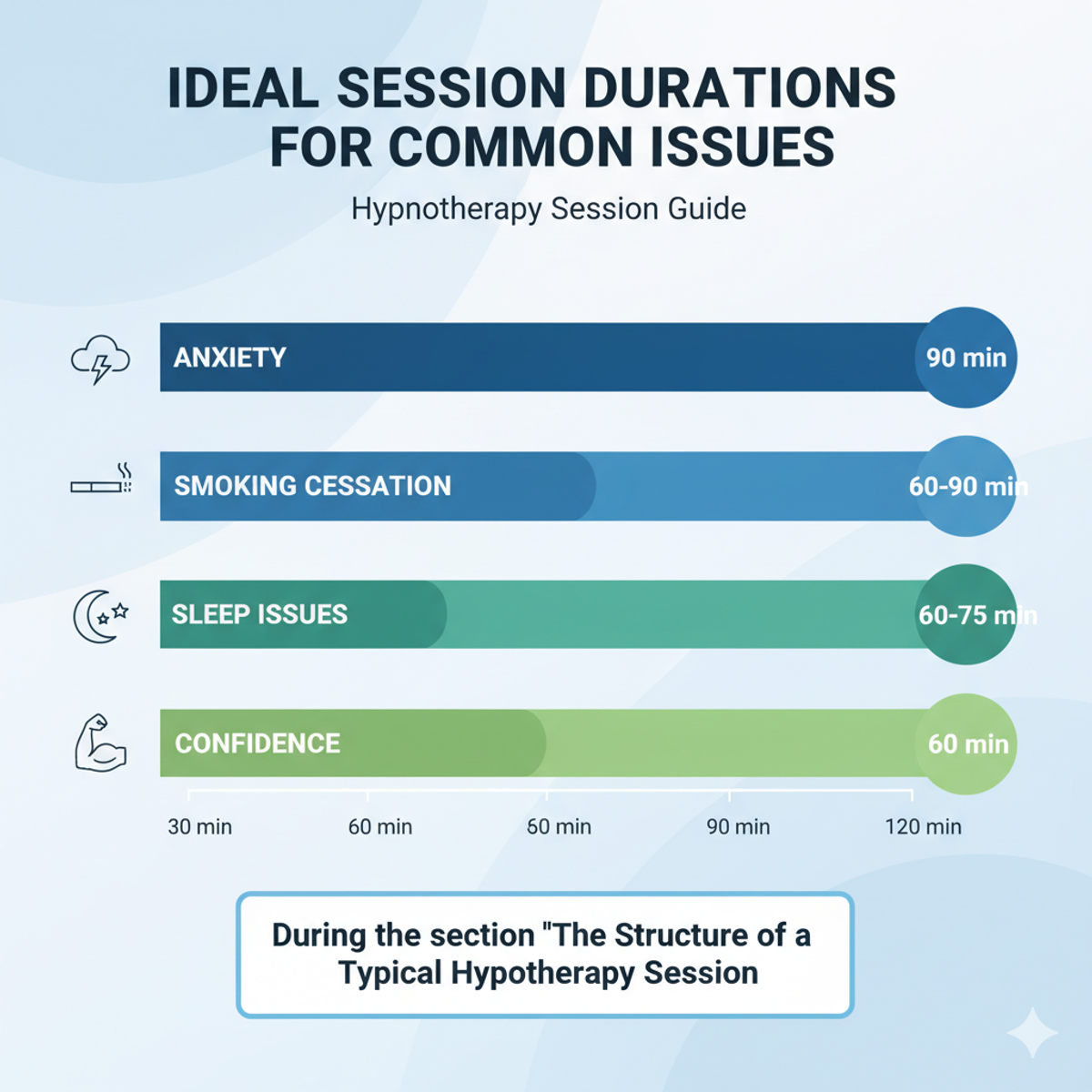
Confidence and performance enhancement work often thrives in moderate-length sessions of 60-75 minutes. These sessions typically focus on resource building, visualization techniques, and positive suggestion work that doesn't require the extended processing time needed for more complex issues. However, performance anxiety that stems from deeper self-worth concerns may benefit from longer sessions.
Athletes, performers, and professionals seeking peak performance support often prefer focused, efficient sessions that respect their busy schedules while delivering practical techniques they can use immediately in their performance contexts.
Phobia and fear-based support may require longer initial sessions, particularly when using systematic desensitization approaches or addressing trauma-related fears. These sessions often run 90 minutes or more to allow gradual, comfortable exposure work without rushing through anxiety-provoking material.
However, some phobia work can be addressed efficiently in shorter sessions when using rapid techniques, depending on the specific fear and individual client factors. Simple phobias sometimes respond quickly to focused interventions, while complex, long-standing fears typically need more comprehensive approaches.
Sleep and relaxation support sessions often work well in moderate lengths of 60-75 minutes. These sessions focus heavily on teaching practical relaxation skills, addressing sleep hygiene, and creating positive associations with rest and relaxation. The therapeutic work tends to be gentler and less intensive than sessions addressing behavioral changes or emotional processing.
The Structure of a Typical Hypnotherapy Session
Pre-session discussion and check-in typically occupies the first 10-15 minutes of each appointment. This time allows you to share any updates since your last session, discuss progress you've noticed, and address any questions or concerns that have arisen. Your practitioner uses this information to adjust the session focus and approach as needed.
This initial conversation also serves as a transition period, helping you shift from external daily concerns into the internal focus needed for hypnotic work. Rather than rushing immediately into relaxation, this gradual transition honors the natural time needed to settle into the therapeutic space.
The check-in period also provides opportunity to discuss any challenges you've experienced with techniques practiced between sessions, celebrate successes, and modify approaches that may not be working optimally. This collaborative feedback ensures your sessions continue evolving to meet your changing needs.

The induction and deepening phase generally requires 15-20 minutes, though this varies based on individual responsiveness and comfort level. This period involves guided relaxation techniques designed to help you achieve the focused, receptive state optimal for therapeutic work. The pace remains unhurried to ensure genuine relaxation rather than forced compliance.
Effective induction includes multiple techniques such as breathing guidance, progressive muscle relaxation, visualization, or other approaches tailored to your preferences. Some clients respond well to rapid inductions, while others need gradual, gentle approaches that honor their natural relaxation pace.
The deepening process continues throughout this phase, helping you achieve increasingly focused attention and receptivity to positive suggestions. Skilled practitioners monitor your responses and adjust techniques accordingly, ensuring comfort and effectiveness rather than following rigid scripts.
Therapeutic intervention typically occupies 20-30 minutes of the session - the core time for addressing your specific goals. This phase might include positive suggestions, visualization exercises, resource building techniques, or other interventions designed to support your desired changes. The specific approach depends on your goals and what's been most effective in previous sessions.
During this phase, the practitioner guides you through carefully crafted experiences designed to reinforce positive patterns, build new neural pathways, and strengthen your natural capacity for change. The language used is typically positive, present-focused, and aligned with your stated goals and values.
Emergence and post-session integration requires 10-15 minutes to ensure you return to normal waking consciousness feeling refreshed and grounded. This process cannot be rushed without potentially leaving clients feeling disoriented or incomplete. Proper emergence includes time for gradual awakening and immediate integration of the session experience.
The post-session discussion allows opportunity to share any insights, experiences, or questions from the session while the experience is still fresh. This integration time helps consolidate the therapeutic work and provides guidance for continuing the positive changes between sessions.
Therapy Schedule: Planning Your Treatment Journey
Optimal session frequency depends largely on your specific goals and current life circumstances. Most clients benefit from weekly sessions initially, allowing sufficient time between appointments to integrate changes while maintaining therapeutic momentum. This spacing provides opportunity to practice new techniques and observe progress without overwhelming your natural change process.
Some situations benefit from more intensive scheduling. If you're preparing for a specific event like childbirth, a presentation, or surgery, twice-weekly sessions might provide more comprehensive support during the preparation period. Crisis situations or urgent habit changes sometimes require closer session spacing for maximum effectiveness.
Conversely, some clients prefer bi-weekly sessions, particularly when working on longer-term personal development goals or when managing busy schedules. The key is finding frequency that supports consistent progress without creating additional stress or pressure in your life.
Short-term approaches typically involve 4-8 sessions focused on specific, well-defined goals like confidence building for presentations or support for medical procedures. These intensive approaches work well when you have clear objectives and strong motivation for rapid change. Many habit modification goals can be addressed effectively within this timeframe.
However, short-term work requires realistic goal-setting and strong commitment to practicing techniques between sessions. The condensed timeline means each session needs to build efficiently on previous work, requiring consistent attendance and active participation.
Long-term therapeutic relationships often develop when addressing complex personal growth goals or ongoing life challenges. These might involve monthly maintenance sessions after initial intensive work, or ongoing support during major life transitions. Long-term work allows for deeper exploration and more comprehensive personal transformation.
Creating realistic timelines involves honest assessment of your goals, available time and energy, and commitment level. Simple behavioral changes might be achieved in weeks, while deeper personality or lifestyle modifications typically require months of consistent work. Discussing realistic expectations with your practitioner helps prevent disappointment and maintains motivation.
Consider seasonal factors when planning your schedule. Many people find fall and winter excellent times for intensive personal development work, while busy summer schedules might be better suited to maintenance sessions. Holiday periods can be either optimal for focused work or too stressful for major change initiatives.
Maintenance sessions and follow-up care help sustain positive changes long-term. Even after achieving initial goals, periodic sessions can reinforce progress, address new challenges, and continue personal development. Many clients find quarterly or bi-annual maintenance sessions valuable for staying on track with their growth goals.
Budget considerations also influence scheduling decisions. Some practitioners offer package deals for multiple sessions, while others provide flexible payment options. Planning your investment in personal development helps ensure you can complete your intended work without financial stress interrupting the process.
Quality Over Quantity: Why Longer Isn't Always Better
Focused, targeted sessions often produce superior results compared to lengthy appointments that may include unnecessary elements or exceed your optimal attention span. Effective hypnotherapy relies on the quality of attention and engagement rather than simply accumulating time. A precisely crafted 60-minute session can accomplish more than a scattered 2-hour appointment.
Your brain's capacity for focused attention and learning has natural limits. Extending sessions beyond your optimal attention span can lead to diminished effectiveness as mental fatigue sets in. Most people maintain peak receptivity for 45-75 minutes, after which additional time may provide minimal benefit or even become counterproductive.
Client fatigue and overwhelm can occur when sessions run too long or attempt to address too many issues simultaneously. Hypnotherapy works by accessing relaxed, receptive states that require mental energy to maintain. Pushing beyond comfortable limits can trigger stress responses that interfere with therapeutic progress.
Experienced practitioners recognize signs of optimal session length for individual clients. Some people naturally have longer attention spans and can benefit from extended work, while others achieve better results with shorter, more frequent sessions. Effective practitioners adjust duration based on observed responses rather than rigid scheduling.
Maximizing therapeutic impact within appropriate timeframes requires skillful session design and clear goal focus. Rather than trying to address every possible issue in each session, effective approaches target specific objectives systematically. This focused methodology often produces faster, more lasting results than scattered approaches.
The therapeutic power of hypnosis comes from accessing specific brain states and neural plasticity windows. These states can be achieved efficiently with proper technique, making extended time unnecessary for creating significant change. Quality of technique and precision of intervention matter more than session duration.
Integration time between sessions is often more valuable than extending individual appointments. Your brain needs time to process new information and consolidate changes. Allowing adequate time between sessions for natural integration often produces better results than cramming multiple techniques into single extended appointments.
Curious if hypnosis is a good fit for your goals?
Book a free 30-minute phone consultation and get tailored guidance from Vittoria Fazio.
What to Discuss with Your Hypnotherapist About Session Duration
During your initial consultation, ask about typical session lengths for your specific goals and how duration might change as you progress. Understanding your practitioner's approach to timing helps you plan your schedule and set appropriate expectations for your therapeutic journey.
Discuss your personal preferences regarding session length, including any attention span concerns or scheduling constraints you may have. Some clients prefer longer, less frequent sessions while others benefit from shorter, more regular appointments. Your practitioner can often accommodate different preferences while maintaining therapeutic effectiveness.
Ask how session duration relates to your specific goals and whether certain issues typically require longer or shorter timeframes. This information helps you understand the rationale behind timing recommendations and make informed decisions about your treatment plan.
Inquire about flexibility in session length based on your progress and changing needs. Some practitioners offer variable session lengths, adjusting duration based on what emerges during each appointment. Understanding this flexibility helps you feel more comfortable with the therapeutic process.
Personalizing your approach means considering your unique circumstances, learning style, and change preferences when determining optimal session duration. Effective practitioners work collaboratively to find timing that supports your goals while fitting realistically into your lifestyle and capacity.
Discuss how to adjust session length based on your progress and evolving needs. As you become more comfortable with hypnotic techniques and begin experiencing changes, your optimal session structure may shift. Regular check-ins about timing ensure your sessions continue meeting your needs effectively.
Consider practical factors like travel time, work schedules, and family commitments when planning session duration and frequency. The most effective therapeutic plan is one you can actually maintain consistently over time. Being realistic about practical constraints helps ensure successful completion of your therapeutic goals.