

Why Hypnotherapy Ethics Matter
When considering therapeutic hypnosis, understanding professional standards becomes as crucial as understanding the practice itself. Ethical guidelines protect both clients and practitioners while ensuring safe, effective experiences that honor the vulnerability and trust inherent in the hypnotic process.
Professional ethics in hypnotherapy encompass far more than basic courtesy or business practices. They represent a comprehensive framework designed to safeguard client welfare, maintain therapeutic integrity, and uphold the dignity of this powerful modality. These standards address everything from practitioner competency to confidentiality, from informed consent to appropriate boundaries.
Trust forms the cornerstone of any successful hypnotherapy experience. When clients enter a hypnotic state, they place themselves in a naturally relaxed and focused condition where the conscious mind becomes less active. This state requires absolute confidence in their practitioner's integrity, training, and ethical commitment. Without proper ethical standards, this trust becomes misplaced, potentially leading to ineffective sessions or, worse, harmful experiences.
Ethical practitioners understand that their role extends beyond simply guiding someone into hypnosis. They serve as guardians of their clients' mental and emotional wellbeing during a uniquely receptive state. This responsibility demands adherence to strict professional standards that prioritize client welfare above all other considerations.
What should clients expect from ethical practitioners? Transparency about qualifications and methods, clear communication about what hypnosis can and cannot accomplish, respect for personal boundaries, and unwavering confidentiality. Additionally, ethical practitioners maintain appropriate professional relationships, continue their education, and recognize when referrals to other healthcare providers become necessary.
Understanding these ethical foundations empowers potential clients to make informed decisions about their care. It helps them identify qualified practitioners who will honor their trust and provide safe, effective support for their personal transformation goals. Moreover, it establishes realistic expectations that contribute to more successful outcomes.

Understanding Professional Standards in Hypnotherapy
Professional standards in hypnotherapy rest on fundamental principles that govern every aspect of practice. These core principles include beneficence (acting in the client's best interest), non-maleficence (doing no harm), autonomy (respecting client choice), justice (fair and equitable access), and integrity (honest, transparent practice).
These principles translate into practical requirements that shape how ethical practitioners approach their work. They must demonstrate genuine concern for client welfare while maintaining professional objectivity. They commit to honest communication about their methods, qualifications, and the realistic outcomes clients might expect. Additionally, they respect each individual's right to make informed decisions about their own care.
Industry certifications provide crucial validation of a practitioner's training and competency. Reputable organizations like the International Federation for Hypnotherapy, Education and Counseling (IFHEC) and the National Association of Naturopaths establish rigorous standards for certification. These bodies require comprehensive training in hypnotic techniques, ethics, anatomy, psychology, and client safety protocols.
Certified practitioners must demonstrate proficiency through examinations, practical assessments, and ongoing education requirements. They learn to recognize contraindications for hypnosis, understand when referrals become necessary, and develop skills for managing various client needs safely and effectively. This training ensures they can provide competent care while recognizing the limits of their scope.
Different levels of certification exist within the field, from basic practitioner credentials to advanced master practitioner designations. Higher-level certifications typically require additional training hours, specialized technique mastery, and demonstrated experience with diverse client populations. These advanced credentials indicate deeper expertise and broader competency ranges.
Professional bodies also establish continuing education requirements to ensure practitioners stay current with evolving techniques and research. This ongoing learning commitment reflects the dynamic nature of therapeutic hypnosis and the importance of evidence-based practice.
Regulatory frameworks vary by jurisdiction, with some regions having specific licensing requirements while others rely on professional association standards. Regardless of local regulations, ethical practitioners voluntarily adhere to the highest available standards in their area. They maintain current certifications, participate in professional development, and submit to peer review processes that maintain field integrity.
Understanding these professional standards helps potential clients evaluate practitioners effectively. They can verify certifications, confirm continuing education participation, and assess whether a practitioner's qualifications match their specific needs and comfort levels.
Establishing Therapeutic Boundaries
Therapeutic boundaries define the professional framework within which safe, effective hypnotherapy occurs. These boundaries protect both clients and practitioners while creating the structured environment necessary for meaningful transformation work. Understanding and maintaining these boundaries requires careful attention to multiple dimensions of the therapeutic relationship.
The client-practitioner relationship operates within a specific professional context that differs significantly from personal relationships. This relationship focuses entirely on the client's wellbeing and goals, with the practitioner serving as a trained guide rather than a friend or advisor. The power dynamic inherently favors the practitioner due to their expertise and the client's vulnerable state during hypnosis, making boundary maintenance crucial.
Physical boundaries encompass the obvious elements like appropriate touch policies and comfortable session environments. Ethical practitioners establish clear guidelines about any physical contact, typically limiting it to handshakes or other culturally appropriate greetings. They create office spaces that feel safe and professional while maintaining privacy and comfort.
During hypnotic sessions, physical boundaries become particularly important. Clients in relaxed states may experience altered spatial awareness or reduced inhibitions. Practitioners must maintain appropriate physical distance and avoid any contact that could be misinterpreted or that might compromise the therapeutic relationship.
Emotional boundaries prove equally crucial yet more complex to navigate. Practitioners must demonstrate genuine care and empathy while maintaining professional objectivity. They offer support and understanding without becoming personally invested in clients' lives beyond the therapeutic context. This balance allows them to provide effective guidance while preserving their ability to make objective clinical decisions.

Maintaining professional distance doesn't mean practitioners should be cold or detached. Rather, it means channeling their caring through professional skills and maintaining clear role definitions. They celebrate client successes and provide comfort during difficult processes while recognizing that their primary responsibility involves facilitating the client's own healing and growth.
Clear communication about scope of practice forms another essential boundary component. Ethical practitioners explicitly discuss what they can and cannot provide, helping clients understand the limits of hypnotherapy and when other interventions might be necessary. They avoid promising outcomes they cannot guarantee and honestly address questions about their qualifications and methods.
These boundaries also extend to scheduling, payment policies, and communication outside sessions. Professional practices typically include established session times, clear fee structures, and appropriate channels for between-session contact when necessary. Such structures provide security for both parties while maintaining the relationship's professional nature.
Boundary maintenance requires ongoing attention rather than one-time establishment. Practitioners regularly assess their relationships with clients, consulting with supervisors or peers when questions arise. They remain vigilant for signs of boundary erosion and take corrective action promptly when needed.
Ready to explore how therapeutic hypnosis can help you?
Reserve a free 30-minute phone consultation and get your questions answered.
Informed Consent and Client Rights
Informed consent represents a cornerstone of ethical hypnotherapy practice, ensuring clients make educated decisions about their care with full understanding of what their participation entails. This process goes far beyond simply signing a form; it involves comprehensive communication about the nature of hypnosis, potential risks and benefits, and the client's rights throughout the therapeutic relationship.
Essential elements of informed consent begin with clear explanations of what hypnosis actually involves. Many people hold misconceptions about hypnotic states based on entertainment media or urban legends. Ethical practitioners take time to explain the natural, safe nature of therapeutic hypnosis, describing it as a focused state of relaxation and heightened awareness rather than unconsciousness or mind control.
Practitioners must discuss their specific approach and techniques, helping clients understand what to expect during sessions. This includes information about induction methods, the types of suggestions or imagery that might be used, and the collaborative nature of the hypnotic process. Clients should understand that they remain aware and in control throughout sessions, capable of accepting or rejecting suggestions based on their own values and comfort levels.
Realistic expectations form another crucial component of informed consent. While hypnotherapy can be highly effective for many concerns, practitioners must honestly discuss what it can and cannot accomplish. They should avoid making promises about specific outcomes or guaranteed results, instead focusing on the potential benefits while acknowledging that individual responses vary.

The consent process must address any potential risks or side effects, though these are typically minimal with properly conducted therapeutic hypnosis. Some clients might experience temporary drowsiness, emotional responses as they process issues, or vivid dreams following sessions. Practitioners should also discuss any contraindications that might make hypnosis inappropriate for certain individuals.
Client rights extend far beyond the initial consent process. Every individual retains the right to ask questions at any point, request clarification about techniques or procedures, and receive honest, understandable answers. Practitioners should encourage questions and create an atmosphere where clients feel comfortable expressing concerns or uncertainties.
The right to discontinue participation represents perhaps the most fundamental client protection. Individuals can end sessions at any time, terminate the therapeutic relationship, or decline specific interventions without penalty or coercion. Ethical practitioners respect these decisions without argument or pressure to continue.
Clients also have the right to understand their practitioner's qualifications, training, and experience relevant to their specific concerns. They can request information about certifications, continuing education, and professional affiliations. This transparency helps them make informed decisions about whether a particular practitioner meets their needs.
Voluntary participation means clients choose hypnotherapy freely, without coercion from family members, employers, or legal systems. While hypnosis can be beneficial in many contexts, its effectiveness depends partially on the individual's genuine willingness to participate. Practitioners must assess whether clients are making autonomous decisions about their care.
Confidentiality and Privacy Standards
Confidentiality forms the bedrock of trust in the therapeutic relationship, particularly in hypnotherapy where clients often share deeply personal information while in vulnerable states. Professional confidentiality standards protect not only what clients say during sessions but also their participation in hypnotherapy itself, their personal information, and any insights gained through the therapeutic process.
Protecting client information encompasses multiple layers of privacy consideration. Basic demographic information, contact details, and session notes require secure handling and storage. More sensitive content, including personal revelations, emotional expressions during sessions, and therapeutic goals, demands even stricter protection. Practitioners must treat all client information as privileged communication.
Session content confidentiality extends beyond verbal communications to include nonverbal expressions, emotional reactions, and behavioral observations. Clients may experience profound insights, emotional releases, or personal revelations during hypnotic states. This content remains absolutely confidential unless the client explicitly consents to its disclosure for specific purposes.

Legal requirements for confidentiality vary by jurisdiction but generally provide strong protections for therapeutic communications. Many regions extend privilege protections to hypnotherapy relationships similar to those covering other therapeutic modalities. However, practitioners must understand their local legal landscape and inform clients about the specific protections available.
Certain circumstances may require breaking confidentiality, and ethical practitioners must discuss these limitations during the initial consent process. These exceptions typically include situations involving imminent danger to the client or others, suspected child abuse, or court-ordered disclosures. However, even in these circumstances, practitioners should disclose only the minimum information necessary to address the specific concern.
The duty to warn becomes relevant when clients express serious intent to harm themselves or others. While such situations are rare in hypnotherapy practice, practitioners must understand their legal and ethical obligations to protect potential victims while maintaining as much confidentiality as possible under the circumstances.
Secure record keeping involves both physical and digital protections for client information. Paper files require locked storage with limited access, while electronic records need password protection, encryption, and secure backup systems. Practitioners should regularly review their data security measures and update them to address evolving privacy threats.
Modern privacy concerns extend to electronic communications, online session platforms, and digital payment systems. Practitioners offering remote sessions must use secure, HIPAA-compliant platforms and inform clients about any potential privacy limitations of electronic communications. They should also have clear policies about email communications and text messaging.
Data protection policies should address how long records are retained, what happens to client information if the practice closes, and how clients can request access to their own files. Many practitioners maintain records for several years after the therapeutic relationship ends, but clients should understand these policies and have input into their own information management.
Competency and Scope of Practice
Professional competency in hypnotherapy encompasses technical skills, theoretical knowledge, and the wisdom to recognize one's limitations. Ethical practitioners understand that competency is not a fixed achievement but an ongoing responsibility that requires continuous development and honest self-assessment. They operate within their qualified areas while making appropriate referrals when client needs exceed their expertise.
Recognizing professional limitations represents one of the most challenging yet crucial aspects of ethical practice. Competent practitioners regularly evaluate whether they possess the specific knowledge, skills, and experience necessary to address each client's unique concerns effectively. This self-assessment process requires both professional maturity and genuine commitment to client welfare over personal ego or financial considerations.
Scope of practice boundaries vary depending on practitioner training, certification level, and local regulations. Basic practitioners might focus on stress management, habit change, and general personal development goals. More advanced practitioners with specialized training might address complex trauma, medical support applications, or specific populations like children or individuals with particular conditions.
Understanding when issues exceed hypnotherapy's scope entirely represents another crucial competency area. While therapeutic hypnosis can effectively support many personal development and wellness goals, it cannot replace medical treatment for physical conditions or substitute for mental health care in cases of serious psychological disorders. Ethical practitioners recognize these limitations and maintain networks of appropriate referral resources.

Appropriate referrals to other healthcare providers demonstrate professional maturity and client-centered thinking. Rather than viewing referrals as admissions of failure, competent practitioners see them as essential tools for ensuring clients receive the most appropriate care. They maintain relationships with medical doctors, psychologists, counselors, and other professionals to facilitate seamless care coordination when necessary.
The referral process should be handled sensitively to avoid making clients feel rejected or abandoned. Practitioners can explain that referrals represent their commitment to client welfare and their recognition that specialized expertise might better serve the client's needs. They might also continue providing supportive hypnotherapy alongside other treatments when appropriate and with proper coordination.
Continuing education requirements help practitioners maintain and expand their competency throughout their careers. Professional organizations typically mandate annual training hours covering new techniques, research developments, and ethical considerations. However, truly committed practitioners exceed minimum requirements, seeking additional training that enhances their ability to serve their client populations.
Skill development should be systematic rather than haphazard, with practitioners identifying their strengths and growth areas through honest self-assessment and client feedback. They might pursue advanced certifications in specialized techniques, attend workshops addressing specific populations, or participate in supervision relationships that enhance their clinical skills.
Avoiding practice outside qualified areas requires ongoing vigilance as clients may request assistance with issues beyond the practitioner's training. The temptation to help can be strong, particularly when clients express desperate need or when referring them elsewhere seems inconvenient. However, ethical practitioners prioritize competent care over convenience or immediate client satisfaction.
Professional consultation provides valuable support for practitioners navigating competency questions. Regular consultation with experienced colleagues, formal supervision relationships, or peer review groups help practitioners evaluate their skills objectively and make appropriate decisions about scope of practice issues.
Curious if hypnosis is a good fit for your goals?
Book a free 30-minute phone consultation and get tailored guidance from Vittoria Fazio.
Dual Relationships and Conflicts of Interest
Dual relationships occur when practitioners have multiple, different relationships with clients beyond the professional therapeutic connection. These situations create complex dynamics that can compromise therapeutic effectiveness, exploit client vulnerability, or damage both parties' wellbeing. Ethical practitioners vigilantly avoid dual relationships while managing potential conflicts before they develop into harmful situations.
Professional relationships exclusively focus on client welfare and therapeutic goals. Unlike personal relationships that involve mutual benefit and reciprocal support, therapeutic relationships intentionally maintain an imbalance where the practitioner's expertise serves the client's needs without expectation of personal gain beyond appropriate professional compensation.
Personal entanglements with clients fundamentally alter the therapeutic dynamic in ways that typically harm both parties. Romantic or sexual relationships exploit the client's vulnerability and the practitioner's position of trust, representing serious ethical violations with potential legal consequences. However, even non-romantic personal friendships can compromise therapeutic effectiveness by introducing competing loyalties and reducing professional objectivity.
Business relationships with clients create conflicts of interest that can influence therapeutic decisions inappropriately. When practitioners have financial interests in their clients' lives beyond session fees, their clinical judgment may become compromised by economic considerations. These arrangements can also place clients in uncomfortable positions where they feel pressured to maintain business relationships to continue receiving therapeutic support.
Social entanglements often develop gradually and may seem innocent initially. Small communities or specialized interest groups sometimes create situations where practitioners and clients encounter each other in social settings. While these interactions might be unavoidable, practitioners must maintain professional boundaries and avoid developing social relationships that could compromise their therapeutic effectiveness.
Family relationships with clients present obvious conflicts that ethical practitioners avoid entirely. Providing hypnotherapy services to family members creates multiple competing interests and makes objective clinical assessment nearly impossible. Family dynamics can interfere with therapeutic processes while therapeutic insights might inappropriately influence family relationships.
Managing potential conflicts requires proactive planning rather than reactive responses after problems develop. Practitioners should establish clear policies about their availability for non-therapeutic relationships and communicate these boundaries to clients during initial consultations. This upfront clarity prevents misunderstandings and helps clients understand the professional nature of their relationship.
Geographic and community considerations may require creative boundary management in smaller communities where practitioners and clients might naturally encounter each other in various settings. Professional guidelines typically suggest maintaining therapeutic boundaries even in casual encounters, with practitioners taking responsibility for managing these situations appropriately.
The end of therapeutic relationships doesn't automatically eliminate dual relationship concerns. Professional guidelines often specify waiting periods before former therapeutic relationships can transition to personal or business connections. These guidelines recognize that therapeutic relationships create lasting power imbalances and emotional connections that require time to resolve appropriately.
Red Flags: Recognizing Unethical Practice
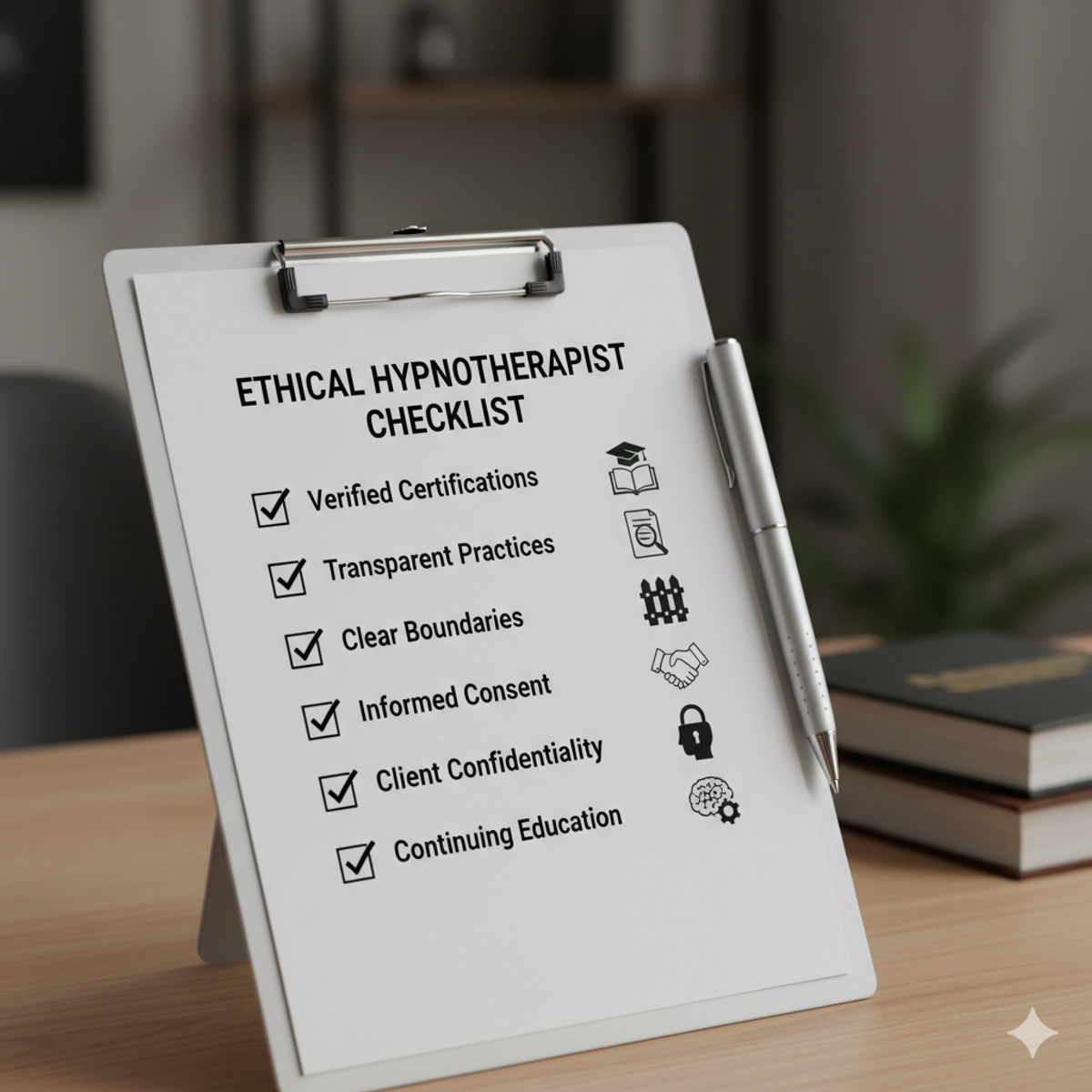
Warning signs of unprofessional behavior often emerge gradually, making them difficult to recognize initially. However, certain patterns consistently indicate ethical problems that potential clients should avoid. Understanding these red flags empowers individuals to protect themselves while seeking competent, ethical practitioners who will honor their trust and support their goals effectively.
Inappropriate promises or guarantees represent one of the most common warning signs. Ethical practitioners understand that therapeutic outcomes depend on multiple factors including client motivation, issue complexity, and individual responsiveness to hypnotic interventions. They discuss realistic expectations and potential benefits without promising specific results or cure guarantees that exceed professional capabilities.
Practitioners who claim to cure medical conditions, diagnose illnesses, or replace medical treatment demonstrate dangerous overreach that violates both ethical standards and legal requirements in most jurisdictions. Similarly, those who promise miraculous transformations, overnight changes, or solutions to complex life problems show either incompetence or deliberate deception.
Boundary violations manifest in various forms, from inappropriate physical contact to excessive personal disclosure by practitioners. Professional sessions should focus entirely on client needs rather than practitioner problems or experiences. Warning signs include practitioners who share extensive personal information, seek friendship outside sessions, or make clients feel responsible for the practitioner's wellbeing.
Financial irregularities often signal broader ethical problems. Practitioners who demand large upfront payments, pressure clients into expensive package deals, or refuse to provide clear fee structures may prioritize profit over client welfare. Similarly, those who continue recommending additional sessions without clear therapeutic rationale might exploit client dependency for financial gain.
Confidentiality violations, such as practitioners who gossip about clients, use client information for personal purposes, or fail to maintain secure records, indicate fundamental ethical failures. Clients should be concerned about practitioners who seem casual about privacy protections or who discuss other clients inappropriately during sessions.
Competency red flags include practitioners who claim expertise in areas far beyond their training, refuse to provide credential verification, or avoid discussing their qualifications transparently. Those who discourage clients from seeking second opinions or consulting other healthcare providers may be attempting to isolate clients inappropriately.
Reporting ethical concerns helps protect both current and future clients while maintaining professional standards within the field. Most professional organizations have ethics committees that investigate complaints and impose sanctions when violations occur. Clients can also report concerns to licensing boards in regions with regulatory oversight.
Choosing an Ethical Practitioner
Selecting an ethical hypnotherapy practitioner requires careful evaluation of credentials, professional conduct, and personal comfort levels. Potential clients should ask specific questions about training, certification, and approach while trusting their instincts about practitioner professionalism and integrity.
Essential questions include inquiries about specific certifications, training hours, continuing education, and experience with similar concerns. Clients should request verification of credentials and feel comfortable with the practitioner's transparency about their qualifications and methods.
Professional standing can be verified through certification bodies, professional associations, and peer references. Ethical practitioners welcome such scrutiny and provide easy access to credential verification.
Ultimately, trust your instincts about professional conduct. Ethical practitioners create environments where clients feel safe, respected, and empowered to make informed decisions about their care while maintaining appropriate professional boundaries that support effective therapeutic relationships.