Hypnotherapy for kids represents a gentle, evidence-based approach to supporting young minds through various challenges. Unlike the dramatic portrayals often seen in movies, therapeutic hypnosis for children is a natural, relaxed state similar to daydreaming or the moments just before falling asleep. During this peaceful state, children's minds become more open to positive suggestions and helpful coping strategies.
Montreal parents are increasingly choosing hypnotherapy as a complementary approach to traditional support methods. This growing interest stems from the technique's non-invasive nature and its ability to work with children's natural creativity and imagination. Rather than forcing change, hypnotherapy gently guides young minds toward developing their own inner resources and strengths.
The approach particularly resonates with families seeking alternatives to medication or those looking to enhance existing support strategies. Many parents appreciate that hypnotherapy empowers children to take an active role in their own well-being, teaching them valuable self-regulation skills they can use throughout their lives.
Setting realistic expectations is crucial for families considering this approach. Hypnotherapy is not a magical solution that instantly resolves all challenges. Instead, it's a process that typically unfolds over several sessions, with children gradually developing new patterns of thinking and responding. Most families begin noticing positive changes within the first few sessions, though lasting transformation often requires consistent practice and reinforcement.
Success depends on various factors including the child's age, the nature of their challenges, and their willingness to participate in the process. Children who are curious about the experience and open to trying new approaches often respond particularly well to hypnotherapy techniques.
How Hypnosis for Children Actually Works
The science behind pediatric hypnotherapy reveals fascinating insights into how young minds process and integrate positive change. Children naturally enter hypnotic states multiple times throughout their day—when absorbed in play, listening to stories, or engaged in creative activities. This natural ability makes them particularly responsive to therapeutic hypnosis techniques.
Neurologically, hypnosis creates measurable changes in brain activity. Research using brain imaging shows that during hypnotic states, areas associated with critical thinking become less active while regions linked to imagination and emotional processing show increased engagement. This shift allows children to bypass mental barriers and access their innate problem-solving abilities more readily.
Age-appropriate techniques form the foundation of effective pediatric hypnotherapy. For younger children, practitioners often incorporate storytelling, guided imagery, and playful visualizations. These methods feel natural and engaging rather than clinical or intimidating. Children might imagine themselves as brave superheroes overcoming challenges or visualize peaceful scenes that promote relaxation and confidence.
The difference between adult and child hypnosis sessions is significant. Adults typically require deeper relaxation states and more formal induction techniques. Children, however, can benefit from hypnotherapy while remaining more alert and interactive. Their sessions often resemble creative play sessions where imagination becomes a tool for positive change.
Safety considerations for young clients remain paramount in professional practice. Qualified practitioners understand child development principles and create environments where children feel secure and respected. Sessions always occur with parental knowledge and often with parents present, ensuring transparency and building family-wide support for the process.
The collaborative nature of children's hypnotherapy means that young clients maintain awareness and control throughout their sessions. They cannot be made to do anything against their will or values, and they can easily return to normal consciousness at any time. This empowering aspect often appeals to children who appreciate having agency in their own growth process.

Ready to explore how hypnotherapy can help your child?
Book a free 30-minute phone consultation and get your questions answered.
Common Issues Addressed Through Kids Hypnotherapy
Anxiety and stress management represent one of the most common applications of hypnotherapy for kids in Montreal. Children today face numerous stressors, from academic pressures to social challenges and family changes. Hypnotherapy offers young minds practical tools for managing overwhelming feelings and developing emotional resilience.
Through guided relaxation and positive visualization, children learn to recognize early signs of anxiety and implement calming strategies before stress becomes overwhelming. Many young clients discover that they can create their own "calm place" in their imagination—a peaceful sanctuary they can visit whenever they need to feel centered and secure.
Sleep disorders and bedtime struggles affect countless families, creating stress for both children and parents. Hypnotherapy addresses these challenges by helping children develop positive associations with sleep and bedtime routines. Rather than viewing bedtime as a time of separation or worry, children learn to see it as an opportunity for rest and pleasant dreams.
The approach often includes teaching children self-hypnosis techniques they can use independently at bedtime. These might involve progressive muscle relaxation, counting exercises, or visualization journeys that naturally lead to peaceful sleep. Parents frequently report improved sleep quality and reduced bedtime resistance within weeks of beginning hypnotherapy support.
Academic performance and focus challenges respond well to hypnotherapy techniques that enhance concentration and learning confidence. Children struggling with attention difficulties or test anxiety can benefit from strategies that improve their ability to stay focused and calm during challenging academic tasks.
Visualization exercises might include imagining successful test-taking experiences or seeing themselves confidently participating in classroom discussions. These positive mental rehearsals help children approach academic challenges with greater self-assurance and reduced anxiety.
Behavioral concerns and emotional regulation issues often improve through hypnotherapy's emphasis on building internal resources and coping strategies. Rather than focusing solely on stopping unwanted behaviors, the approach helps children develop alternative responses and strengthen their natural capacity for self-control.
Children learn to recognize their emotional triggers and implement calming strategies before behaviors escalate. This proactive approach empowers young people to make conscious choices about their responses rather than feeling controlled by their impulses.
Phobias and fears frequently respond dramatically to hypnotherapy interventions. Whether children struggle with fear of dogs, heights, medical procedures, or social situations, hypnotherapy can help them gradually build confidence and reduce anxiety responses.
The process often involves gentle exposure through imagination, allowing children to practice feeling calm and confident in previously scary situations. This mental rehearsal helps reprogram their automatic fear responses and builds genuine courage over time.
Self-confidence building forms a central theme in most pediatric hypnotherapy work. Children discover their own strengths and capabilities through guided exercises that highlight their past successes and future potential. This internal focus on personal resources creates lasting change that extends far beyond the specific challenges that initially brought families to seek support.

Age Groups and Developmental Considerations
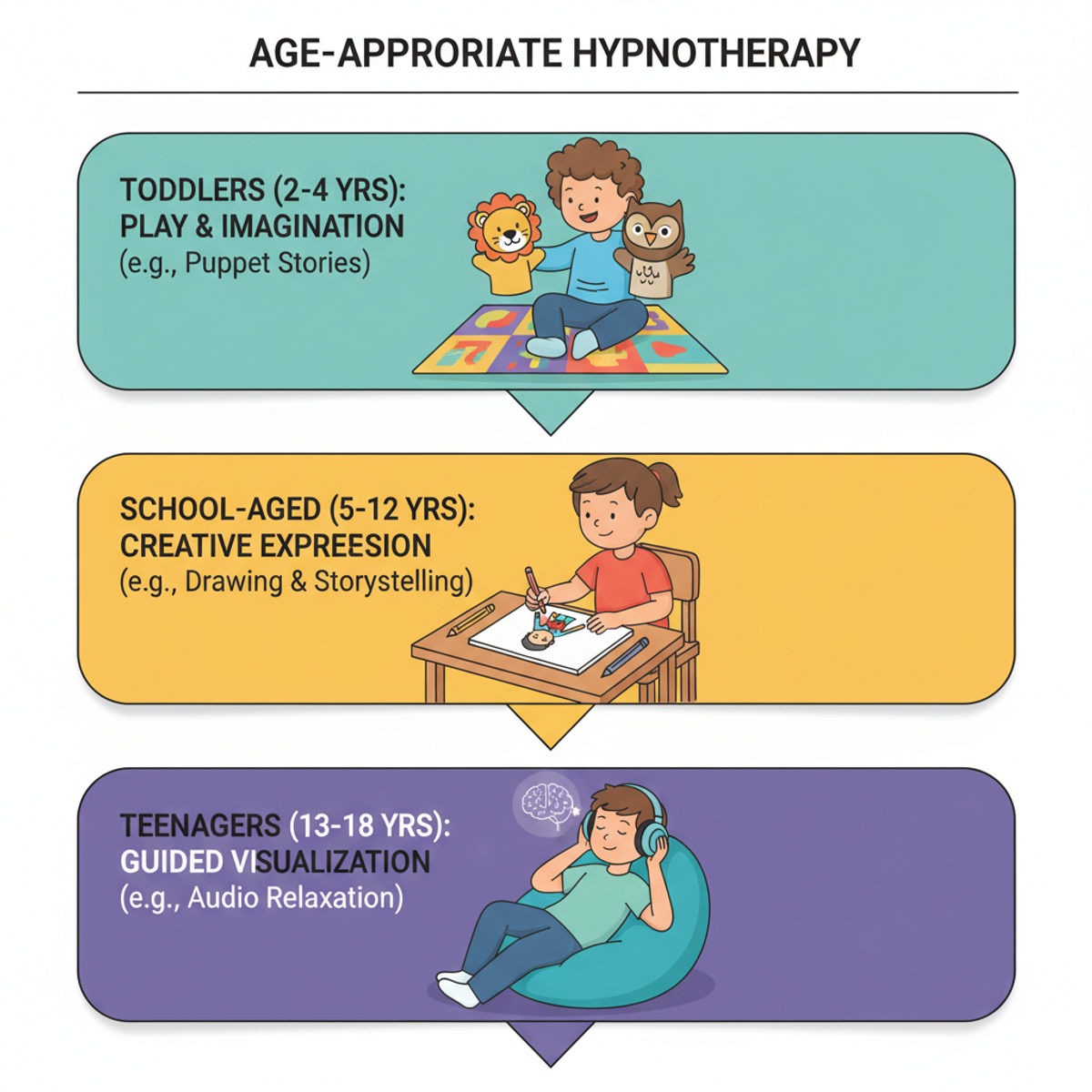
Toddlers and preschoolers (ages 3-5) require specialized approaches that honor their developmental stage and natural learning style. At this age, children learn primarily through play, sensory experiences, and simple stories. Hypnotherapy techniques must be brief, interactive, and filled with elements that capture young imaginations.
Sessions for this age group often last only 15-20 minutes and include plenty of movement and creative expression. Practitioners might use puppet shows, simple breathing games, or guided imagery involving favorite cartoon characters. The goal is creating positive associations with relaxation and problem-solving rather than achieving deep hypnotic states.
Parents play a crucial role in supporting very young children through the process. They often learn techniques they can practice at home, reinforcing the positive changes initiated during professional sessions. This family involvement ensures consistency and helps children feel secure throughout their growth process.
School-age children (ages 6-11) can engage with more structured hypnotherapy approaches while still benefiting from creative and playful elements. Their improved attention spans allow for longer sessions, typically 30-45 minutes, and they can understand more complex concepts about how their minds work.
Children in this age group often enjoy learning self-hypnosis techniques they can use independently. They might learn special breathing patterns, create personal affirmations, or develop their own visualization journeys. This sense of personal mastery appeals to school-age children's growing desire for independence and competence.
The concrete thinking typical of this developmental stage means practitioners often use tangible metaphors and hands-on activities. Children might create drawings of their goals, use physical objects to represent their feelings, or engage in role-playing exercises that reinforce positive changes.
Adolescents treatment approaches (ages 12-17) must account for teenagers' unique developmental needs, including their growing independence, identity formation, and increased capacity for abstract thinking. Hypnotherapy for this age group often resembles adult approaches while maintaining sensitivity to adolescent concerns and communication styles.
Teenagers typically respond well to understanding the science behind hypnotherapy and being treated as partners in their own growth process. They can engage with deeper concepts about neuroplasticity, habit formation, and emotional regulation while appreciating the practical benefits of stress management and confidence building.
Privacy and autonomy become particularly important for adolescent clients. While parents remain informed about their teenager's progress, sessions often focus on building the young person's independent coping skills and self-reliance. This approach supports healthy identity development while providing valuable life skills.
The Montreal Advantage: Local Benefits and Resources
Bilingual hypnotherapy services in Montreal offer unique advantages for families navigating the city's multicultural landscape. Many practitioners provide sessions in both French and English, allowing children to work in their most comfortable language. This linguistic flexibility ensures that language barriers never interfere with a child's ability to benefit from hypnotherapy support.
The bilingual nature of Montreal's therapeutic community also means that families can access resources and support materials in their preferred language. Whether parents seek books, audio recordings, or educational materials about hypnotherapy, they can often find these resources in French or English, enhancing their ability to support their children's progress at home.
Cultural sensitivity in treatment approaches reflects Montreal's diverse population and the importance of honoring different family values and traditions. Experienced practitioners understand that effective hypnotherapy must align with families' cultural backgrounds and belief systems rather than imposing a one-size-fits-all approach.
This cultural awareness extends to understanding different communication styles, family dynamics, and approaches to child-rearing that exist within Montreal's multicultural community. Practitioners who embrace this diversity can create more effective and respectful therapeutic relationships with children and families from various backgrounds.
Integration with Quebec's healthcare system provides additional support for families seeking comprehensive care for their children. While hypnotherapy operates as a complementary approach, many practitioners work collaboratively with pediatricians, psychologists, and other healthcare professionals to ensure coordinated care.
This collaborative approach means that families don't have to choose between conventional medical support and complementary approaches like hypnotherapy. Instead, they can access integrated care that draws on multiple perspectives and techniques to support their children's well-being.
Local kids psychology support networks in Montreal create additional resources for families navigating childhood challenges. These networks often include support groups, educational workshops, and community events that bring together families with similar experiences. The connections formed through these networks provide ongoing encouragement and practical advice beyond individual therapy sessions.
The strength of Montreal's therapeutic community means that practitioners can refer families to additional resources when needed, whether that includes specialized services, support groups, or educational programs that complement their hypnotherapy experience.

What Parents Can Expect: The Treatment Process
Initial consultation and assessment form the foundation of effective hypnotherapy for children. During this first meeting, practitioners spend time getting to know both the child and their family, understanding the specific challenges they're facing, and explaining how hypnotherapy might help address those concerns.
This consultation typically includes discussing the child's developmental history, current challenges, and family goals for the hypnotherapy process. Parents can ask questions about techniques, timelines, and what to expect during sessions. This open communication ensures that everyone feels informed and comfortable before beginning the therapeutic work.
The assessment portion helps practitioners understand the child's learning style, interests, and motivations so they can tailor their approach accordingly. A child who loves sports might benefit from athletic metaphors and visualizations, while a young artist might respond better to creative imagery and drawing exercises.
Session structure and duration vary based on the child's age and attention span, but most sessions follow a predictable format that helps children feel secure and engaged. Sessions typically begin with a brief check-in about how the child has been feeling since their last visit, followed by the hypnotherapy work itself, and conclude with discussion about what the child experienced.
For younger children, sessions might last 20-30 minutes and include lots of interactive elements. Older children and teenagers can typically engage for 25-45 minutes and may spend more time in actual hypnotic states. The key is maintaining the child's interest and cooperation rather than adhering to rigid time requirements.
The hypnotherapy portion often feels like guided play or storytelling rather than a formal medical procedure. Children might close their eyes and listen to relaxing stories, engage in breathing exercises, or participate in guided imagery journeys that address their specific goals.
Parent involvement and home practice play crucial roles in maximizing the benefits of hypnotherapy sessions. Parents often learn simple techniques they can practice with their children at home, reinforcing the positive changes initiated during professional sessions.
This might include bedtime relaxation routines, simple affirmations, or visualization exercises that families can practice together. The key is creating consistent opportunities for children to practice their new skills in supportive environments.
Some practitioners provide audio recordings of sessions or guided exercises that children can use independently at home. These recordings help children maintain their connection to the therapeutic work between sessions and build their confidence in using self-hypnosis techniques.
Progress tracking and adjustments ensure that the hypnotherapy approach continues meeting the child's evolving needs. Practitioners typically check in regularly with both children and parents about what's working well and what might need modification.
This collaborative approach means that sessions can be adjusted based on the child's response and changing circumstances. If a particular technique isn't resonating, practitioners can try different approaches until they find methods that work best for each individual child.
Timeline for seeing results varies significantly based on the child's age, the nature of their challenges, and their engagement with the process. Some families notice positive changes within the first few sessions, while others may require several weeks or months of consistent work before seeing significant improvements.
Generally, behavioral changes and improved coping skills may become apparent relatively quickly, while deeper emotional healing and habit changes often require more time to fully develop. Setting realistic expectations helps families stay committed to the process even when progress feels gradual.

Success Stories: Real Montreal Families' Experiences
Case studies from local practice demonstrate the diverse ways hypnotherapy can support children's growth and well-being. While maintaining complete confidentiality, these examples illustrate common patterns of success that families often experience through this supportive approach.
One family sought help for their eight-year-old daughter who had developed severe anxiety about attending school following a difficult transition to a new classroom. After six sessions focusing on building confidence and developing coping strategies, she began looking forward to school again and developed friendships that enriched her social experience.
Another case involved a teenage boy struggling with performance anxiety during hockey games. Through visualization techniques and confidence-building exercises, he learned to manage his pre-game nerves and began playing at his full potential. His improved performance on the ice carried over into other areas of his life, including academic confidence and social interactions.
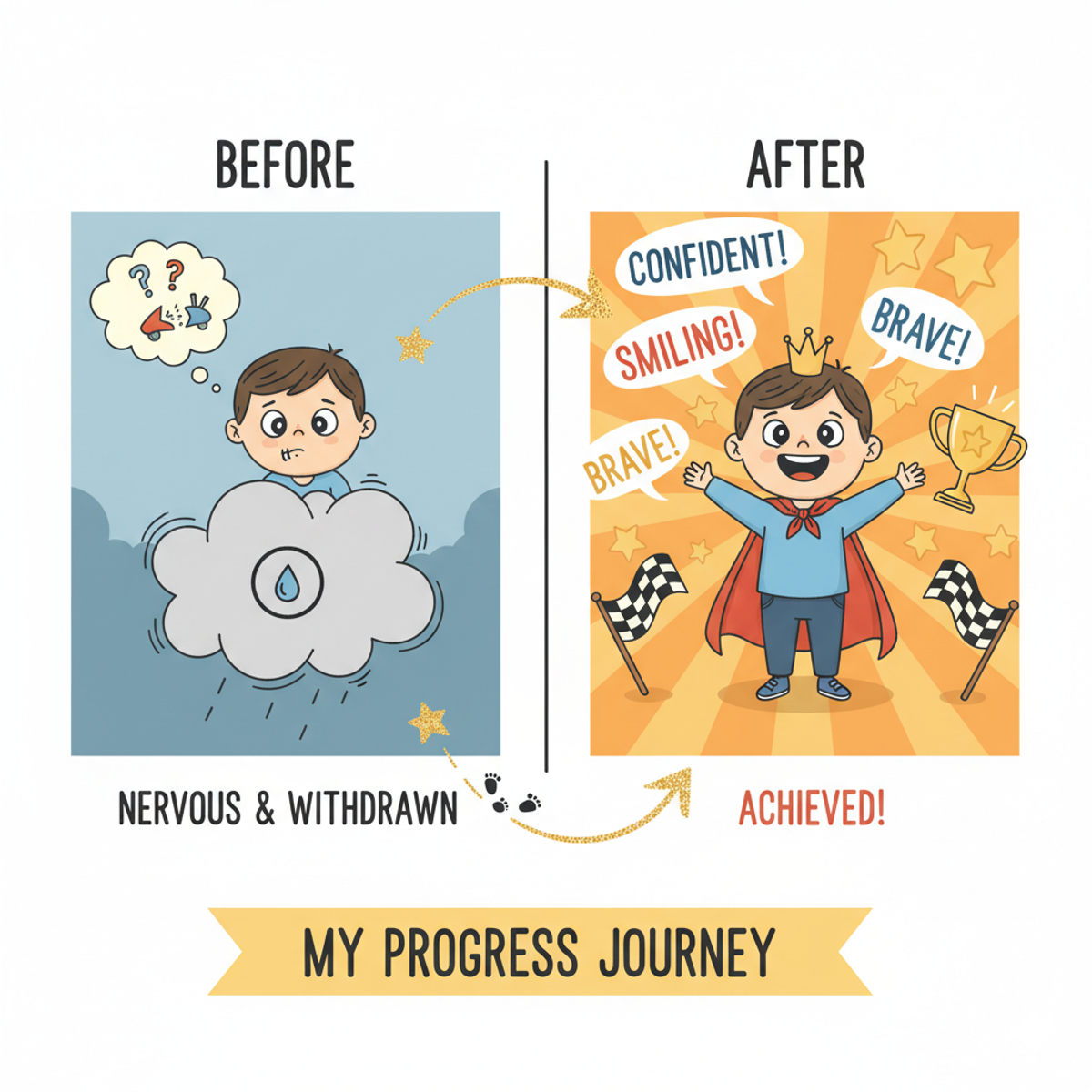
Before and after behavioral improvements often surprise families with their breadth and durability. Children who initially sought help for specific issues frequently develop general improvements in emotional regulation, self-confidence, and problem-solving abilities that extend far beyond their original concerns.
Parents commonly report that their children seem more resilient when facing new challenges and more capable of bouncing back from disappointments. These broader improvements suggest that hypnotherapy helps children develop fundamental life skills rather than just addressing surface-level symptoms.
The ripple effects often extend to family dynamics as well. When children feel more confident and emotionally regulated, family stress decreases and relationships improve. Parents frequently express gratitude not only for their child's individual growth but for the positive changes in their entire family system.
Parent testimonials and feedback consistently highlight several key themes. Many parents appreciate the gentle, non-invasive nature of hypnotherapy and their children's enthusiasm for participating in sessions. Unlike other therapeutic approaches that children might resist, most young clients look forward to their hypnotherapy appointments.
Parents also frequently comment on the practical skills their children develop through the process. Rather than simply talking about problems, children learn concrete techniques they can use independently when facing challenges. This empowerment aspect appeals to both children and parents who want sustainable, long-term solutions.
Long-term benefits observed in follow-up contacts suggest that the skills children develop through hypnotherapy continue serving them well into the future. Families report that children who learned self-regulation techniques continue using these tools years later when facing new developmental challenges or life transitions.
The self-hypnosis skills that children master often become lifelong resources for managing stress, building confidence, and maintaining emotional balance. This lasting impact makes hypnotherapy an investment in children's long-term well-being rather than just a temporary intervention.
Choosing the Right Practitioner in Montreal
Certification requirements to look for include training from recognized hypnotherapy organizations and specialized education in working with children and adolescents. Qualified practitioners should be certified from reputable institutions such as the International Federation of Hypnosis Education and Certification (IFHEC) or similar professional organizations that maintain high educational standards.
Additionally, practitioners working with children should have specific training in child development, age-appropriate techniques, and safety considerations unique to pediatric populations. This specialized knowledge ensures that sessions are both effective and developmentally appropriate for young clients.
Questions to ask potential therapists should cover their experience, training, and approach to working with children. Important inquiries include: How long have you been practicing hypnotherapy with children? What specific training do you have in pediatric approaches? How do you involve parents in the therapeutic process? What can we expect during sessions?
Don't hesitate to ask about their success rates with issues similar to your child's challenges and whether they can provide references from other families. A qualified practitioner will welcome these questions and provide transparent answers about their qualifications and approach.
Red flags to avoid include practitioners who make unrealistic promises about rapid cures, those who lack proper certification, or anyone who seems uncomfortable answering questions about their training and methods. Be cautious of practitioners who discourage parent involvement or who cannot explain their approach in terms you can understand.
Insurance and cost considerations vary widely depending on your specific coverage and the practitioner's policies. While many insurance plans don't cover hypnotherapy directly, some may provide reimbursement under complementary or alternative medicine benefits. It's worth checking with both your insurance provider and potential practitioners about payment options and possible coverage.
Curious if hypnotherapy is right for your child?
Reserve a free 30-minute phone consultation to discuss your child's needs.
Conclusion: Taking the Next Step
Hypnotherapy for kids offers Montreal families a gentle, effective approach to supporting children's emotional well-being and personal growth. The evidence-based techniques provide children with valuable life skills while honoring their natural creativity and resilience.
If you're considering hypnotherapy for your child, the first step involves scheduling a consultation with a qualified practitioner who specializes in pediatric approaches. This initial meeting allows you to ask questions, understand the process, and determine whether this approach aligns with your family's needs and values.
Remember that seeking support for your child demonstrates strength and wisdom, not weakness. Every child deserves the opportunity to develop their full potential and navigate life's challenges with confidence and resilience.