

Understanding PTSD and Alternative Treatment Options
Post-Traumatic Stress Disorder (PTSD) affects millions of individuals worldwide, fundamentally altering how the mind and body respond to everyday experiences. This complex mental health condition emerges following exposure to traumatic events, creating persistent symptoms that can severely impact daily functioning and overall quality of life.
PTSD manifests through various symptoms including intrusive memories, nightmares, severe anxiety, hypervigilance, and emotional numbing. These responses occur as the nervous system remains in a heightened state of alertness, continuously scanning for potential threats even in safe environments. The condition doesn't discriminate, affecting veterans, accident survivors, abuse victims, and anyone who has experienced overwhelming traumatic events.
Traditional approaches to PTSD support typically include cognitive behavioral therapy, exposure therapy, and pharmaceutical interventions. While these methods have helped many individuals, they don't work equally well for everyone. Some people find that conventional talk therapy approaches don't fully address the deep-seated subconscious responses that trauma creates. Others may experience limitations with medication-based approaches or prefer exploring non-pharmaceutical options.
The growing recognition of mind-body connections in healing has led to increased interest in complementary approaches. Hypnotherapy PTSD treatment represents one such alternative that works directly with the subconscious mind, where traumatic memories and responses are often stored. This approach recognizes that trauma affects multiple levels of human experience – conscious, subconscious, emotional, and physical.
As mental health awareness continues to expand, more individuals are seeking comprehensive approaches that address the whole person rather than just symptoms. Understanding various support options empowers people to make informed decisions about their healing journey and find approaches that resonate with their unique needs and circumstances.
The Science Behind PTSD and the Mind
Trauma fundamentally alters brain structure and function, creating lasting changes in how individuals process information and respond to their environment. When someone experiences a traumatic event, the brain's alarm system – primarily the amygdala – becomes hyperactive, while areas responsible for rational thinking and memory processing may become impaired.

The nervous system responds to trauma by activating survival mechanisms designed to protect against immediate danger. However, in PTSD, these protective responses continue long after the actual threat has passed. The sympathetic nervous system remains in a state of high alert, flooding the body with stress hormones like cortisol and adrenaline, even in safe situations.
Traumatic memories are often stored differently than normal memories. Instead of being processed and integrated into the brain's normal memory networks, they can become fragmented and stored in ways that make them feel perpetually present. This explains why individuals with PTSD may experience flashbacks, intrusive thoughts, or physical reactions as if the traumatic event were happening again.
The subconscious mind plays a crucial role in how trauma affects daily functioning. Many trauma responses occur below the threshold of conscious awareness, triggered by subtle environmental cues that the conscious mind may not even notice. These automatic responses can include sudden mood changes, physical tension, sleep disturbances, or avoidance behaviors that seem to have no logical explanation.
Traditional talk therapy approaches primarily engage the conscious, rational mind through verbal processing and cognitive restructuring. While valuable, this approach may have limitations when trauma responses are deeply embedded in subconscious patterns. The rational mind can understand that a situation is safe, yet the subconscious may continue generating fear responses based on past experiences.
Understanding these mechanisms helps explain why comprehensive approaches that address both conscious and subconscious aspects of trauma can be particularly effective. When therapeutic interventions can access and work with the deeper levels of mind where trauma responses are stored, it may facilitate more complete healing and integration.
What is Therapeutic Hypnosis for Trauma?
Clinical hypnotherapy represents a professional therapeutic approach that utilizes focused attention and relaxation to access heightened states of awareness. Unlike popular media portrayals or stage performances, therapeutic hypnosis is a collaborative process designed to support healing and positive change in a safe, controlled environment.

Hypnotherapy PTSD treatment involves working with trained practitioners who specialize in trauma-informed approaches. These sessions focus on accessing the subconscious mind's natural healing capacities while maintaining complete client control and awareness. Participants remain fully conscious during sessions and cannot be made to do anything against their will or values.
The hypnotic state resembles other naturally occurring focused attention states, similar to becoming absorbed in a good book, meditation, or the relaxed awareness just before falling asleep. During these states, the conscious mind becomes quieter, allowing greater access to subconscious resources and patterns. This can facilitate processing and integration of traumatic experiences in ways that feel safer and more manageable.
Professional hypnotherapists create carefully structured environments that prioritize safety, trust, and client empowerment. Sessions typically begin with thorough discussions about goals, concerns, and expectations. The practitioner explains each step of the process, ensuring clients feel informed and comfortable throughout their experience.
The therapeutic relationship in trauma work requires specialized training and understanding. Qualified practitioners recognize the importance of pacing, consent, and maintaining emotional safety throughout sessions. They understand how trauma affects the nervous system and adapt their approaches accordingly, ensuring that healing occurs gradually and sustainably.
Modern hypnotherapy incorporates evidence-based techniques and maintains high professional standards. Practitioners often complete extensive training through recognized organizations and continue ongoing education to stay current with best practices. This professional foundation ensures that therapeutic hypnosis provides a legitimate, effective complement to traditional mental health approaches.
See how hypnosis can support your goals
Book a free 30-minute phone consultation to get personalized guidance.
Evidence-Based Research on Hypnotherapy for PTSD
Research supporting hypnotherapy's effectiveness for PTSD has grown significantly over recent decades, with numerous clinical studies demonstrating positive outcomes. A comprehensive review published in the American Journal of Clinical Hypnosis found that hypnotherapy showed significant benefits for PTSD symptoms, with many participants experiencing substantial improvements in sleep quality, anxiety levels, and overall functioning.
Multiple randomized controlled trials have compared hypnotherapy to other established trauma treatments. A notable study involving military veterans found that participants receiving hypnotherapy showed comparable improvements to those receiving traditional cognitive behavioral therapy, with some measures indicating superior outcomes in specific symptom areas. These findings suggest that hypnotherapy represents a viable alternative or complement to conventional approaches.
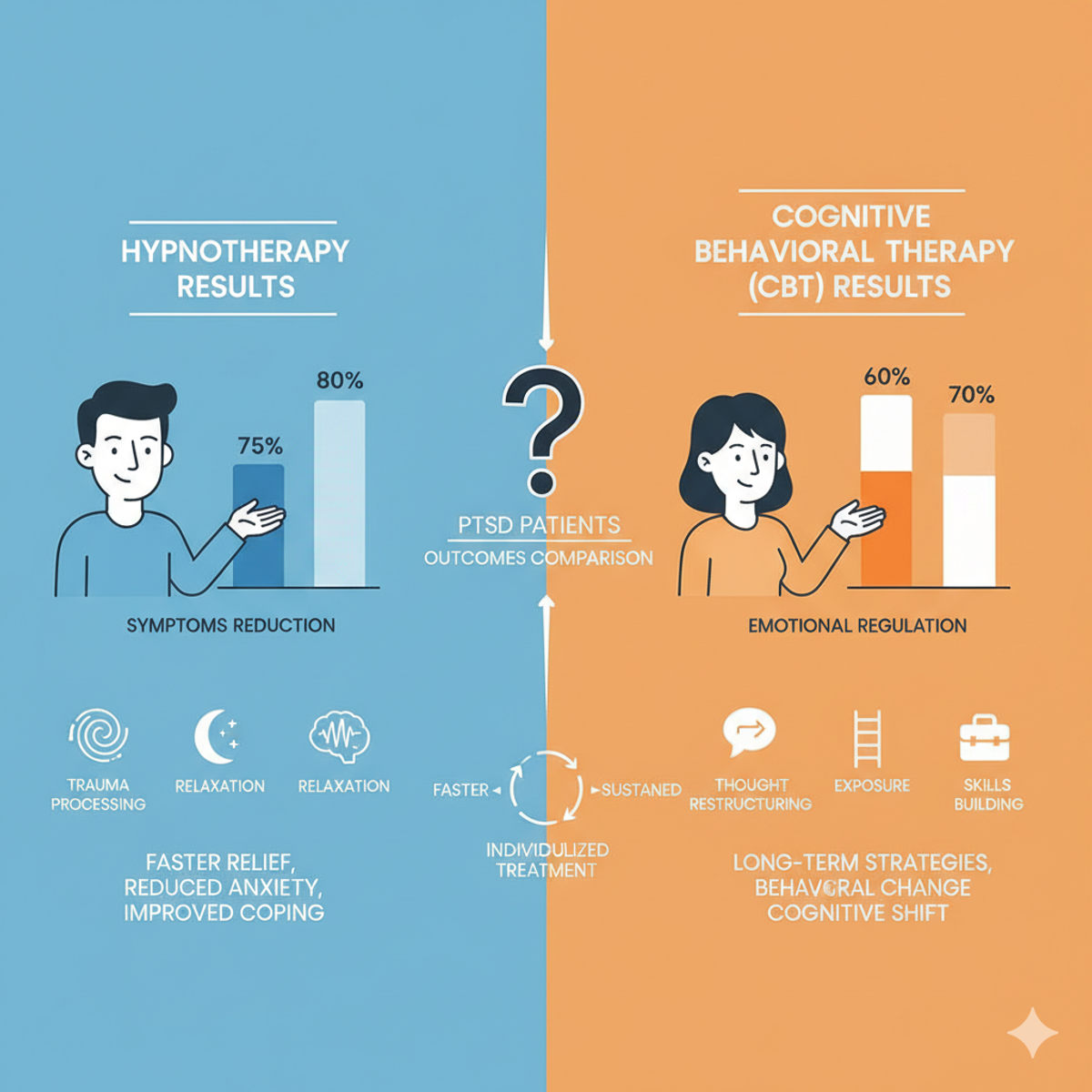
Research consistently indicates that hypnotherapy can be particularly effective for addressing specific PTSD symptoms such as intrusive memories, hypervigilance, and sleep disturbances. Studies have shown significant reductions in nightmare frequency and intensity, with many participants reporting improved sleep quality within just a few sessions. This rapid improvement in sleep often creates positive cascading effects on other symptoms.
Long-term follow-up studies reveal encouraging patterns regarding treatment durability. Research published in the International Journal of Clinical and Experimental Hypnosis found that improvements gained through hypnotherapy PTSD treatment were maintained at six-month and one-year follow-up assessments. This suggests that the changes facilitated through hypnotherapy can create lasting positive impacts on mental health and functioning.
Neuroimaging studies have begun revealing the biological mechanisms underlying hypnotherapy's effectiveness. Brain scans show that hypnotic states can influence activity in regions associated with emotional regulation, memory processing, and stress response. These findings provide scientific validation for the experiential reports of improved emotional balance and reduced trauma responses that clients frequently describe.
When compared to pharmaceutical interventions, hypnotherapy offers the advantage of addressing root causes rather than just managing symptoms. While medications can provide important stabilization, hypnotherapy works to reprocess and integrate traumatic experiences, potentially reducing the need for ongoing symptom management. This approach aligns with growing preferences for non-pharmaceutical mental health support options.
Success rates for hypnotherapy vary depending on individual factors and treatment approaches, but studies consistently show positive outcomes for the majority of participants. Meta-analyses suggest that 60-80% of individuals experience significant improvement in PTSD symptoms through structured hypnotherapy programs, with many achieving results comparable to or exceeding those of traditional therapeutic approaches.
How Hypnotherapy PTSD Treatment Works
The hypnotic state creates a unique opportunity to access traumatic memories safely while maintaining emotional regulation and control. Unlike approaches that might involve intense re-experiencing of trauma, skilled hypnotherapy practitioners guide clients into states where memories can be processed with greater emotional distance and perspective. This allows for healing without re-traumatization.
During therapeutic sessions, practitioners utilize various evidence-based techniques designed specifically for trauma work. These may include age regression to address the root causes of trauma responses, visualization techniques to create new neural pathways, and resource building exercises that strengthen internal coping mechanisms. Each technique is applied gradually and with careful attention to client comfort and readiness.
The process of reprocessing trauma through hypnotherapy often involves updating the subconscious mind's understanding of past events. When trauma occurs, the mind may form conclusions about safety, self-worth, or the nature of the world that no longer serve the individual's wellbeing. Hypnotherapy can help identify and transform these limiting beliefs, replacing them with more balanced and empowering perspectives.
Building new neural pathways represents a crucial aspect of trauma recovery. The brain's neuroplasticity allows for the creation of healthier response patterns when provided with appropriate support and repetition. Hypnotherapy sessions can rehearse new responses to triggers, gradually strengthening neural connections that support calmness, confidence, and emotional regulation instead of fear-based reactions.

The subconscious mind's natural healing wisdom plays a central role in effective hypnotherapy. Rather than imposing external solutions, skilled practitioners facilitate access to the client's own inner resources and healing capacities. This approach empowers individuals to become active participants in their recovery rather than passive recipients of treatment.
Progressive desensitization occurs naturally as clients learn to approach traumatic material from states of relaxation and safety. Over multiple sessions, triggers that once caused intense reactions often lose their emotional charge as new associations are formed. This gradual process respects the nervous system's need for safety while consistently moving toward greater freedom and functionality.
Integration of insights and healing occurs both during sessions and in everyday life. Clients often report noticing positive changes in their daily responses to stress, improved relationships, and greater emotional resilience. These improvements typically develop progressively as the work deepens and new patterns become more established in both conscious and subconscious functioning.
What to Expect During Treatment Sessions
The initial consultation serves as a foundation for effective therapeutic work, involving comprehensive discussion of goals, history, and current challenges. Practitioners typically spend considerable time understanding each client's unique situation, including the nature of traumatic experiences, current symptoms, previous treatment experiences, and personal healing objectives. This thorough assessment ensures that sessions are tailored appropriately.
During the first meeting, practitioners explain the hypnotic process thoroughly, addressing any questions or concerns clients might have. Many people feel uncertain about hypnotherapy due to misconceptions from entertainment media, so education about the actual therapeutic process helps create comfort and realistic expectations. Clients learn that they remain in complete control throughout sessions.
Typical session structure begins with a brief discussion of current experiences and any changes since the previous session. This check-in allows the practitioner to adjust the approach based on how the client is progressing and responding to the work. Sessions then transition into relaxation and the hypnotic state, followed by specific therapeutic interventions, and conclude with gentle reorientation and integration discussion.

Session duration usually ranges from 60 to 90 minutes, allowing adequate time for relaxation, therapeutic work, and processing. The pacing is typically gentle and gradual, respecting the client's need for safety and emotional regulation. Practitioners monitor client responses throughout sessions, adjusting techniques as needed to maintain comfort and effectiveness.
The client experience during hypnotherapy is often described as deeply relaxing and peaceful. Most people remain aware of their surroundings while feeling pleasantly detached from everyday concerns. Some experience vivid imagery or memories, while others have more subtle sensations of shifting perspectives or emotional releases. Each person's experience is unique and valid.
Progress tracking involves ongoing dialogue between client and practitioner about symptom changes, daily functioning improvements, and overall wellbeing. Many clients notice positive shifts relatively quickly, particularly in areas like sleep quality and general anxiety levels. More complex trauma patterns may require longer-term work for complete resolution.
Treatment adjustments occur naturally as the therapeutic relationship develops and initial trauma responses resolve. Early sessions might focus on stabilization and safety building, while later sessions can address deeper trauma processing and life enhancement goals. This flexible approach ensures that the work remains relevant and effective throughout the healing journey.
Benefits and Considerations of Hypnotherapy for Trauma
Hypnotherapy offers several advantages over traditional therapy methods, particularly in its ability to access and work with subconscious trauma responses directly. While conventional talk therapy relies primarily on conscious processing, hypnotherapy can address the automatic fear responses and survival patterns that operate below conscious awareness. This deeper access often facilitates more complete healing and lasting change.
The non-invasive nature of hypnotherapy appeals to many individuals who prefer approaches that don't require pharmaceutical interventions. Sessions focus on activating the mind's natural healing capacities rather than suppressing symptoms through medication. This approach can be particularly valuable for those who have experienced side effects from medications or prefer to minimize pharmaceutical dependence.
Clients frequently report experiencing relief relatively quickly compared to some traditional approaches. While deep trauma healing is always a gradual process, many people notice improvements in sleep, anxiety levels, and daily functioning within the first few sessions. This early progress can provide hope and motivation for continuing the therapeutic work.
However, hypnotherapy may not be suitable for everyone. Individuals with certain psychiatric conditions, active substance abuse issues, or those who feel uncomfortable with relaxation-based approaches might benefit more from other therapeutic options. A thorough initial consultation helps determine whether hypnotherapy represents an appropriate choice for each individual's specific circumstances.
The best candidates for hypnotherapy PTSD treatment typically include individuals who are motivated to actively participate in their healing process, feel comfortable with introspective work, and are able to access relaxed states relatively easily. Previous positive experiences with meditation, yoga, or other mindfulness practices often indicate good potential for hypnotherapy success.
Realistic expectations involve understanding that trauma healing is a process that unfolds over time. While some improvements may occur quickly, complete resolution of complex trauma patterns typically requires consistent work over several months. The most successful outcomes occur when clients approach hypnotherapy as one valuable component of a comprehensive healing strategy rather than expecting instant transformation.
Setting appropriate expectations also means understanding that hypnotherapy facilitates healing rather than erasing difficult experiences. The goal is not to forget traumatic events but to process them in ways that reduce their negative impact on daily functioning. Many clients find that they can remember their experiences without the intense emotional charge that previously accompanied those memories.
Ready to explore what hypnosis can do for you?
Reserve a free 30-minute phone consultation and get your questions answered.
Integrating Hypnotherapy with Other Mental Health Treatments
Hypnotherapy works exceptionally well as part of a comprehensive approach to trauma recovery, complementing rather than replacing other beneficial interventions. Many clients combine hypnotherapy with traditional counseling, support groups, medical care, or other healing modalities to address different aspects of their trauma recovery needs.
Working with multiple healthcare providers requires coordination and communication to ensure that all treatments support rather than conflict with each other. Qualified hypnotherapy practitioners understand the importance of collaboration and are typically willing to communicate with other members of a client's healthcare team when appropriate releases are in place.
Creating a comprehensive treatment plan might include hypnotherapy for subconscious trauma processing, traditional therapy for developing coping strategies, medical support for any physical symptoms, and lifestyle approaches such as exercise, nutrition, or stress management. This multi-faceted approach addresses trauma's impact on multiple levels of human functioning.
Some clients find that hypnotherapy enhances their response to other treatments by reducing overall anxiety levels and increasing emotional stability. When the nervous system is less reactive due to hypnotherapy work, other therapeutic interventions may become more effective as clients can engage with them from a calmer, more resourceful state.
The timing of different interventions can be important for optimal outcomes. Some individuals benefit from establishing basic stability through hypnotherapy before engaging in more intensive trauma processing through other methods. Others might use hypnotherapy to consolidate and integrate insights gained through different therapeutic approaches.

Taking the Next Step in Your Mental Health Journey
The evidence supporting hypnotherapy PTSD treatment effectiveness continues to grow, offering hope for individuals seeking alternatives or complements to traditional therapeutic approaches. Research demonstrates that hypnotherapy can facilitate significant improvements in trauma symptoms while empowering clients to access their own natural healing resources.
Understanding the science behind trauma's impact on the brain and nervous system helps explain why approaches that work with subconscious patterns can be so effective. When therapeutic interventions address the deeper levels where trauma responses are stored, healing can occur more completely and sustainably.
The key to successful trauma recovery lies in finding approaches that resonate with your unique needs, circumstances, and healing style. Whether used alone or in combination with other treatments, hypnotherapy offers a safe, evidence-based option for those ready to move beyond trauma's limitations toward greater freedom and wellbeing.
Professional consultation remains essential for anyone considering hypnotherapy for trauma-related concerns. Qualified practitioners can assess your specific situation, answer questions about the process, and determine whether this approach aligns with your healing goals and current circumstances.
Moving forward with confidence in your mental health recovery means honoring your courage in seeking support while remaining open to the possibilities that therapeutic hypnosis can offer. Every step toward healing matters, and choosing to explore your options represents a powerful commitment to your own wellbeing and future growth.