Breaking Free from Tobacco Addiction
Quitting smoking ranks among life's most challenging endeavors, with millions of individuals worldwide struggling to break free from tobacco addiction each year. Despite widespread awareness of smoking's health risks, the journey to becoming smoke-free often feels like an uphill battle filled with failed attempts, frustration, and feelings of defeat.
Traditional smoking cessation methods, while helpful for some, frequently fall short of providing lasting results. Nicotine patches, gums, and prescription medications address the physical aspects of addiction but often leave the deeper psychological patterns untouched. Many individuals find themselves caught in cycles of temporary success followed by relapse, leading to discouragement and the belief that they simply lack willpower.
The reality is that tobacco addiction operates on multiple levels, with deeply ingrained subconscious patterns that traditional methods may not adequately address. Smoking behaviors become automatic responses to stress, boredom, social situations, and countless daily triggers that operate below conscious awareness.
This is where hypnotherapy quit smoking programs offer a distinctly different approach. Rather than focusing solely on the physical aspects of nicotine dependence, therapeutic hypnosis works directly with the subconscious mind where smoking patterns are stored and reinforced. By accessing these deeper mental processes, hypnotherapy can help individuals address the root psychological components of their smoking habits.

Hypnotherapy for smoking cessation recognizes that successful long-term change requires more than just breaking physical dependence—it requires transforming the mental associations, emotional triggers, and subconscious beliefs that maintain smoking behaviors. This comprehensive approach explains why many people find hypnotherapy to be the missing piece in their journey toward permanent freedom from tobacco.
Understanding Hypnotherapy for Smoking Cessation
Therapeutic hypnosis is a natural state of focused relaxation and heightened awareness that allows access to the subconscious mind. During this relaxed state, individuals become more receptive to positive suggestions and new ways of thinking about their relationship with tobacco. Unlike the dramatic portrayals often seen in entertainment, clinical hypnotherapy is a collaborative process where clients remain in complete control while experiencing deep relaxation.
The power of quit smoking hypnosis lies in its ability to target the subconscious patterns that drive smoking behavior. While conscious willpower operates at the surface level, the subconscious mind houses the automatic responses, emotional associations, and ingrained habits that make smoking feel necessary or desirable. These patterns often develop over years or decades, becoming deeply embedded neural pathways that trigger smoking responses without conscious thought.
Scientific research into hypnotherapy's effectiveness reveals fascinating insights into how the brain processes addiction and change. Neuroimaging studies show that hypnotic states activate specific brain regions associated with attention, memory, and behavioral control. During therapeutic hypnosis, the brain exhibits increased plasticity, meaning it becomes more adaptable to forming new neural pathways and breaking old ones.
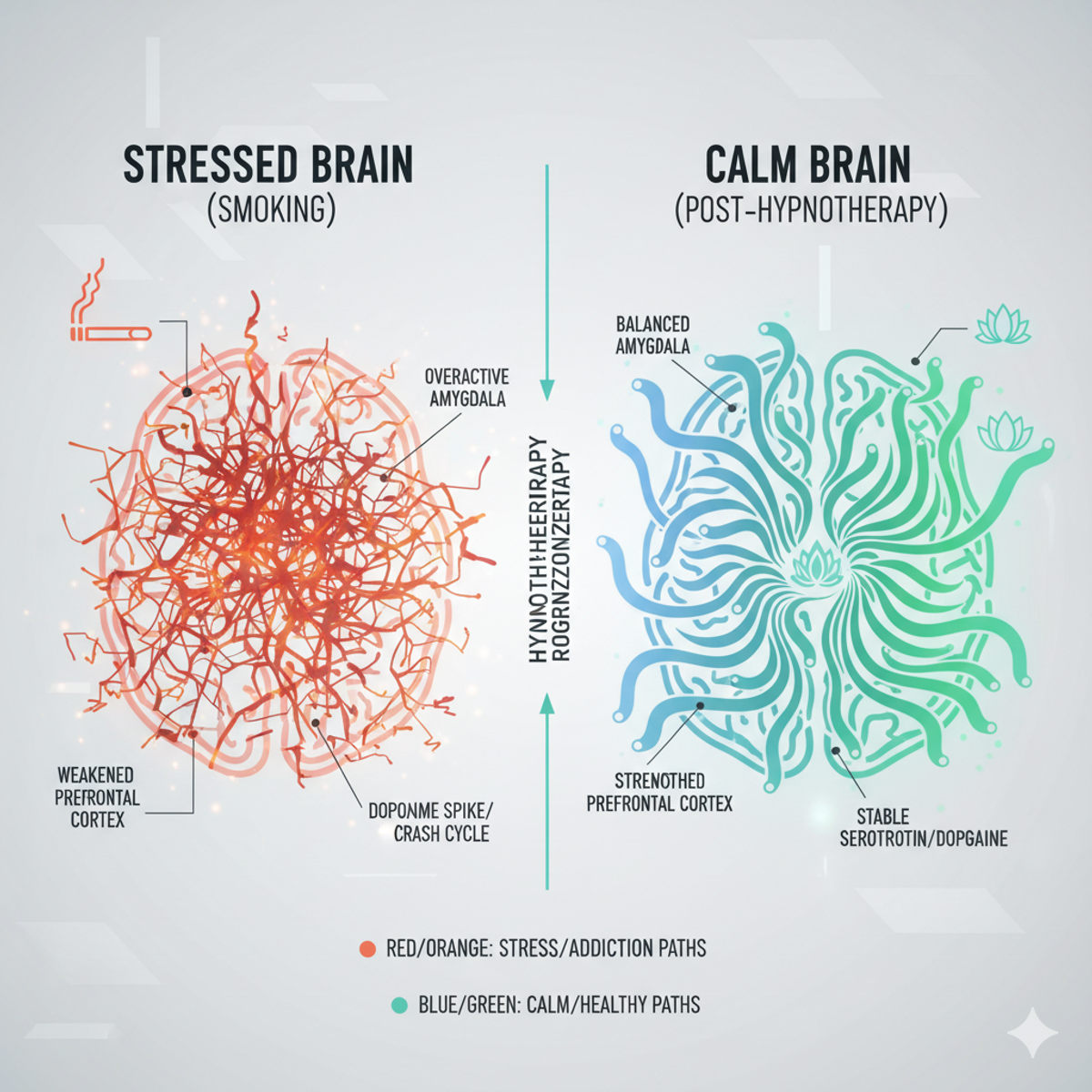
The mechanisms behind hypnotherapy's success in smoking cessation involve several key processes. First, the relaxed hypnotic state reduces the critical factor of the conscious mind, allowing new ideas and suggestions to be more readily accepted. Second, hypnotherapy can help individuals access and modify the emotional memories and associations connected to smoking. Third, the process strengthens motivation and commitment to change by aligning conscious goals with subconscious programming.
Unlike approaches that rely solely on willpower or external aids, hypnotherapy addresses both the physical and psychological aspects of tobacco addiction simultaneously. While the body may experience withdrawal symptoms, the mind learns new ways of responding to triggers, stress, and situations that previously prompted smoking. This dual approach helps explain why many individuals experience reduced cravings and find the quitting process less overwhelming than expected.
The therapeutic process also works by replacing negative smoking patterns with positive alternatives. Instead of simply removing smoking behaviors, hypnotherapy helps install new, healthier responses to stress, boredom, social situations, and other triggers. This proactive approach provides individuals with genuine alternatives rather than leaving a behavioral void.
See how hypnosis can support your goals
Book a free 30-minute phone consultation to get personalized guidance.
Success Rates: What the Research Shows
Clinical research on hypnotherapy quit smoking effectiveness presents compelling evidence for its potential as a smoking cessation tool. A comprehensive meta-analysis published in the International Journal of Clinical and Experimental Hypnosis examined multiple studies involving thousands of participants. The research found that individuals who used hypnotherapy were significantly more likely to remain smoke-free at six-month follow-ups compared to those who attempted to quit without intervention.
One of the most frequently cited studies, conducted by researchers at the University of Washington, followed 286 smokers through different cessation approaches. Results showed that 23% of participants using hypnotherapy remained smoke-free after six months, compared to 16% using nicotine replacement therapy alone and 6% receiving no treatment. These findings suggest that hypnotherapy can be substantially more effective than attempting to quit without support.
Comparative analysis reveals interesting patterns when examining hypnotherapy against other popular cessation methods. While nicotine replacement therapy (patches, gums, lozenges) typically shows success rates between 10-20% at six months, hypnotherapy studies consistently report success rates ranging from 20-35%. Prescription medications like varenicline show similar success rates to hypnotherapy but come with potential side effects that many individuals prefer to avoid.
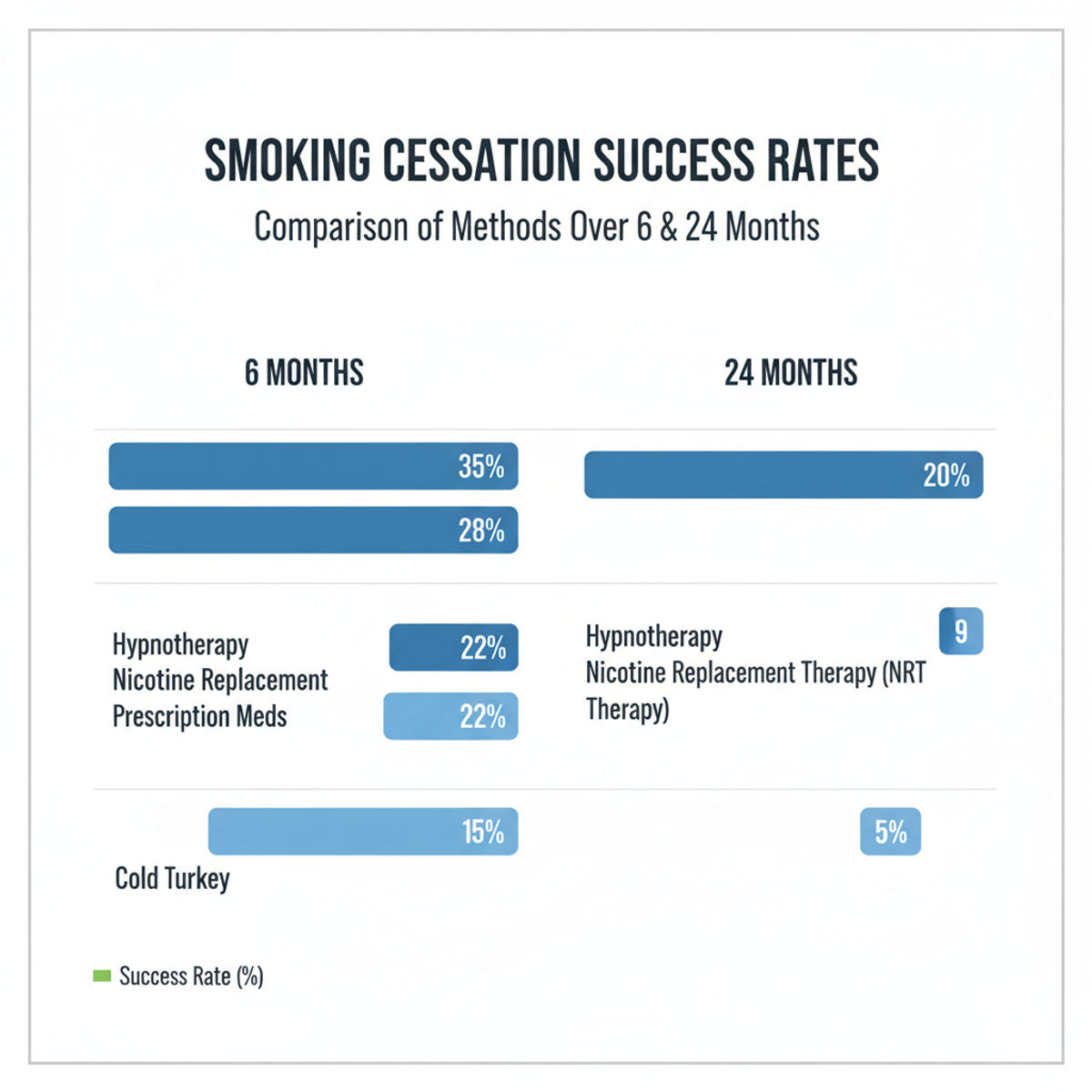
Long-term success rates provide perhaps the most meaningful measure of any smoking cessation approach. A notable study published in the American Journal of Medicine tracked participants for two years following their quit attempts. Among those who used hypnotherapy, 26% remained smoke-free after 24 months, compared to 18% using conventional methods. This suggests that the psychological changes facilitated by hypnotherapy may provide more sustainable results over time.
Individual success rates vary significantly based on several factors. Research indicates that success is strongly correlated with the individual's readiness to change, their belief in hypnotherapy's effectiveness, and their level of hypnotic responsiveness. Studies show that individuals who score higher on standardized hypnotizability scales tend to experience greater success with quit smoking hypnosis programs.
The number of sessions also impacts success rates. Single-session hypnotherapy shows modest effectiveness, while multi-session programs demonstrate significantly higher success rates. Research suggests that 3-5 sessions provide optimal results, allowing time to address different aspects of the smoking habit and reinforce positive changes.
It's important to note that success rates can vary considerably between studies due to differences in methodology, participant selection, and follow-up periods. However, the overall body of research consistently points to hypnotherapy as a viable and often superior alternative to traditional smoking cessation methods, particularly for individuals seeking a natural, medication-free approach to overcoming tobacco addiction.
How Hypnotherapy Works for Tobacco Addiction
The hypnotic process for smoking cessation begins with inducing a state of deep relaxation where the conscious, analytical mind becomes quieter, and the subconscious mind becomes more accessible. During this receptive state, a trained practitioner can work directly with the mental patterns that sustain smoking behaviors. This process doesn't involve losing control or consciousness; rather, it's a focused state similar to being absorbed in a book or movie.
Central to the therapeutic approach is reprogramming subconscious smoking triggers. Every smoker develops unique trigger patterns—specific situations, emotions, or environmental cues that automatically prompt the desire to smoke. These might include morning coffee, work stress, social gatherings, or transitional moments throughout the day. During hypnotherapy sessions, these trigger patterns are identified and systematically addressed.
The reprogramming process works by interrupting the automatic connection between triggers and smoking responses. Through carefully crafted suggestions delivered during the hypnotic state, new associations are formed. For example, instead of stress automatically triggering thoughts of smoking, the subconscious mind learns to associate stress with deep breathing, physical movement, or other healthy coping strategies.

Building new, positive associations represents another crucial aspect of the therapeutic process. Rather than simply removing smoking behaviors, hypnotherapy installs replacement behaviors that serve similar psychological functions. If smoking provided stress relief, the subconscious mind learns to find that same relief through healthier alternatives. If cigarettes served as social tools, new ways of feeling comfortable in social situations are developed.
Strengthening motivation and willpower through suggestion involves reinforcing the individual's personal reasons for quitting. During hypnosis, these motivations—whether health-related, financial, family-focused, or personal freedom—are amplified and deeply embedded in the subconscious mind. This creates a powerful internal drive that supports the conscious decision to quit smoking.
The therapeutic process also addresses the identity aspects of smoking. Many long-term smokers have integrated smoking into their self-concept, viewing themselves as "smokers" rather than as people who happen to smoke. Hypnotherapy helps shift this identity, enabling individuals to see themselves as healthy, free, and naturally smoke-free people. This identity shift proves crucial for long-term success.
Another important element involves future pacing and mental rehearsal. During hypnosis, individuals mentally practice handling challenging situations without smoking. They visualize themselves confidently navigating social events, work stress, and other potential trigger situations while remaining smoke-free. This mental rehearsal prepares the subconscious mind for real-world challenges.
The process also works to enhance the natural healing capabilities of the body and mind. Suggestions about improved breathing, enhanced taste and smell, increased energy, and overall wellness help individuals focus on the positive changes occurring as their body recovers from tobacco use. This positive focus supports motivation and reinforces the decision to remain smoke-free.
What to Expect During Hypnotherapy Sessions
The journey toward becoming smoke-free through hypnotherapy begins with an initial consultation and assessment. During this first meeting, practitioners typically explore the individual's smoking history, previous quit attempts, current motivations for change, and specific challenges they anticipate facing. This comprehensive assessment helps identify personal triggers, understand the role smoking plays in daily life, and determine the most effective therapeutic approach.
The assessment phase also involves discussing expectations, addressing concerns about hypnosis, and explaining the collaborative nature of the therapeutic process. Many individuals arrive with misconceptions about hypnotherapy based on entertainment portrayals, so education about the actual experience becomes an important foundation for successful outcomes.
A typical quit smoking hypnosis session follows a structured yet flexible format. Sessions usually begin with relaxation techniques designed to quiet the conscious mind and prepare for hypnotic induction. This might involve progressive muscle relaxation, breathing exercises, or guided imagery. The induction process gradually deepens the relaxed state until the individual reaches an optimal level for therapeutic work.

Once the hypnotic state is achieved, the therapeutic work begins. This portion of the session involves delivering carefully crafted suggestions designed to address the specific smoking patterns identified during the assessment. The practitioner might work on reducing cravings, strengthening motivation, installing new coping strategies, or addressing emotional triggers that contribute to smoking behaviors.
Throughout the therapeutic portion, individuals remain aware and in control while experiencing a heightened state of focus and receptivity. Many people describe the experience as deeply relaxing and peaceful, similar to the moments just before falling asleep or the absorbed feeling experienced during meditation.
The number of sessions typically required varies based on individual factors such as smoking history, motivation level, and responsiveness to hypnosis. Most practitioners recommend a series of 3-5 sessions spaced over several weeks. This allows time to address different aspects of the smoking habit while reinforcing positive changes between sessions. Some individuals experience significant results after just one session, while others benefit from additional support and reinforcement.
The client's role in the therapeutic process extends far beyond the session itself. Success with hypnotherapy requires active participation, openness to change, and commitment to supporting the process between sessions. This might involve practicing self-hypnosis techniques, implementing new coping strategies, and maintaining focus on personal motivations for quitting.
Between sessions, individuals often notice gradual changes in their relationship with cigarettes. Cravings may become less intense, smoking may feel less satisfying, or thoughts about smoking may decrease naturally. These changes indicate that the subconscious reprogramming is taking effect and support continued progress toward complete smoking cessation.
Ready to explore what hypnosis can do for you?
Reserve a free 30-minute phone consultation and get your questions answered.
Factors That Influence Success Rates
Client readiness and motivation levels serve as perhaps the most significant predictors of success with hypnotherapy quit smoking programs. Individuals who have reached a genuine decision point—where the disadvantages of smoking clearly outweigh any perceived benefits—typically experience greater success than those who feel pressured by others or are ambivalent about change. This readiness often develops over time and may be influenced by health concerns, financial considerations, family factors, or simply reaching a personal breaking point.
The strength and clarity of personal motivation directly impacts therapeutic outcomes. Research shows that individuals with specific, emotionally compelling reasons for quitting demonstrate higher success rates than those with vague or externally imposed goals. Whether motivated by grandchildren's health, personal freedom, financial savings, or improved physical fitness, clear personal motivation provides the emotional fuel that powers lasting change.
Individual responsiveness to hypnosis varies considerably among people and significantly influences success rates. Hypnotic responsiveness exists on a spectrum, with some individuals naturally entering deep hypnotic states easily while others require more time and practice. However, most people possess sufficient hypnotic capability to benefit from therapeutic interventions. Even those who consider themselves "difficult to hypnotize" often discover they can achieve beneficial therapeutic states with proper guidance.
Concurrent support systems and lifestyle changes play crucial roles in determining outcomes. Individuals who modify their environment to remove smoking triggers, build supportive relationships, and implement healthy lifestyle changes typically experience greater success than those who attempt to change smoking behaviors in isolation. This might involve changing daily routines, avoiding certain social situations initially, or enlisting family and friends as allies in the quitting process.
Addressing underlying stress and emotional triggers proves essential for long-term success. Many individuals use smoking as a coping mechanism for anxiety, depression, relationship problems, work stress, or other emotional challenges. When these underlying issues remain unaddressed, they can sabotage smoking cessation efforts regardless of the method used. Effective hypnotherapy programs identify and address these emotional patterns as part of the comprehensive treatment approach.
Personal beliefs about hypnotherapy and change also influence outcomes. Individuals who approach the process with optimism, curiosity, and belief in their ability to change typically experience better results than those who are skeptical or pessimistic. While some skepticism is natural and doesn't prevent success, a willingness to engage openly with the process enhances therapeutic effectiveness.
The timing of quit attempts can impact success rates. Periods of high stress, major life changes, or competing demands may make it more challenging to focus on smoking cessation. Conversely, times of stability, positive change, or renewed health focus often provide favorable conditions for successful quitting. However, waiting for the "perfect" time can become a form of procrastination, so balancing optimal timing with taking action becomes important.
Previous experiences with hypnosis or relaxation techniques may influence success rates. Individuals familiar with meditation, guided imagery, or other mind-body approaches often adapt quickly to hypnotherapy. However, newcomers to these practices can be equally successful and may be pleasantly surprised by their natural abilities to achieve beneficial therapeutic states.
Comparing Hypnotherapy to Other Cessation Methods
When examining success rates compared to nicotine replacement therapy, hypnotherapy demonstrates several advantages. While nicotine patches, gums, and lozenges help manage physical withdrawal symptoms, they don't address the psychological and behavioral aspects of smoking addiction. Studies consistently show that hypnotherapy quit smoking programs achieve success rates that meet or exceed those of nicotine replacement therapy, often with fewer side effects and lower long-term costs.
Nicotine replacement therapy typically shows 6-month success rates between 10-20%, depending on the specific product and level of behavioral support provided. In comparison, multi-session hypnotherapy programs regularly demonstrate success rates in the 20-35% range. More importantly, hypnotherapy addresses the root psychological patterns that maintain smoking behaviors, potentially providing more sustainable long-term results.
Prescription medications like varenicline and bupropion show success rates similar to hypnotherapy but come with potential side effects that many individuals prefer to avoid. These medications can cause nausea, sleep disturbances, mood changes, and other unwanted effects. Some individuals cannot use these medications due to contraindications or interactions with other treatments they may be receiving.
The natural, drug-free approach of hypnotherapy appeals to individuals who prefer to avoid pharmaceutical interventions or who have experienced adverse effects from smoking cessation medications. Hypnotherapy works by enhancing the mind's natural ability to change patterns and behaviors, without introducing foreign substances into the body. This approach aligns with growing interest in holistic, integrative approaches to health and wellness.
Cost-effectiveness represents another advantage of hypnotherapy programs. While the upfront cost of several hypnotherapy sessions may seem significant, it often proves less expensive than long-term use of nicotine replacement products or prescription medications. Additionally, the comprehensive nature of hypnotherapy means that successful participants typically don't require ongoing purchases of cessation products.
Behavioral counseling and support groups show success rates comparable to hypnotherapy and can be effectively combined with hypnotic approaches. Many practitioners integrate elements of cognitive-behavioral techniques with hypnotherapy to maximize effectiveness. The combination of hypnotic suggestion with practical behavioral strategies often produces superior results compared to either approach used alone.
Cold turkey quitting, while requiring no external costs, shows relatively low success rates of approximately 3-5% at six months. However, individuals who successfully quit cold turkey often possess high levels of motivation and determination that would likely benefit any cessation approach they chose to pursue.
The timing flexibility of hypnotherapy provides practical advantages over some other methods. Unlike prescription medications that require weeks of preparation or nicotine replacement therapy that involves gradual reduction schedules, hypnotherapy can accommodate various quit timing preferences and can be adapted to individual circumstances and preferences.
Maximizing Your Success with Hypnotherapy
Preparing mentally for hypnotherapy sessions involves cultivating an open, receptive mindset and clarifying personal motivations for change. Before beginning the therapeutic process, spend time reflecting on the specific reasons quitting smoking matters to you personally. Write down these motivations and review them regularly, allowing them to become deeply meaningful rather than simply intellectual concepts.
Approaching sessions with curiosity rather than skepticism enhances the therapeutic experience. While it's natural to have questions about hypnosis, maintaining an attitude of openness allows you to fully engage with the process. Remember that hypnotherapy is a collaborative experience where your active participation contributes significantly to the outcomes achieved.
Supporting progress between appointments involves implementing the strategies and insights gained during sessions into daily life. Many practitioners provide recordings of sessions or teach self-hypnosis techniques that can be practiced regularly. Consistent practice reinforces the positive changes initiated during formal sessions and helps integrate new patterns into your subconscious programming.
Lifestyle adjustments that enhance results include modifying your environment to reduce smoking triggers and implementing healthy alternatives to previous smoking behaviors. This might involve changing your morning routine, taking different breaks at work, or finding new ways to handle stress and social situations. These environmental changes support the internal work being done through hypnotherapy.
Building a supportive network of family and friends who understand and encourage your commitment to becoming smoke-free provides valuable reinforcement for your efforts. Share your goals with people who will support your success rather than those who might undermine your commitment or tempt you back into smoking behaviors.
Maintaining focus on the positive changes occurring in your body and life helps sustain motivation throughout the quitting process. Notice improvements in breathing, taste, smell, energy levels, and overall well-being. These positive changes provide ongoing evidence that your decision to quit smoking is benefiting every aspect of your health and life.
Developing healthy stress management techniques proves crucial for long-term success. Since many people use smoking as a stress relief mechanism, having effective alternatives becomes essential. This might include deep breathing exercises, physical activity, meditation, or other relaxation techniques that provide genuine stress relief without the health risks of tobacco use.

Maintaining long-term success involves continuing to reinforce your identity as a healthy, smoke-free person. Celebrate milestones in your smoke-free journey, whether it's one week, one month, or one year without cigarettes. These celebrations reinforce your new identity and acknowledge the significant positive changes you've accomplished in your life.
Regular follow-up sessions or check-ins with your hypnotherapy practitioner can provide ongoing support and address any challenges that arise during your smoke-free journey. Many practitioners offer follow-up sessions as part of their programs, recognizing that continued support enhances long-term success rates and helps individuals navigate unexpected challenges or triggers that may emerge over time.
The journey toward freedom from smoking represents an investment in long-term health, financial well-being, and personal empowerment. Hypnotherapy offers a natural, comprehensive approach that addresses both the psychological and behavioral components of nicotine addiction. Through working with the subconscious mind's natural capacity for positive change, many people discover that becoming a non-smoker feels more natural and sustainable than they previously imagined.
Taking the first step toward hypnotherapy consultation opens the door to exploring new possibilities for lasting change. Professional practitioners like Vittoria Fazio provide safe, supportive environments for transformation while respecting individual needs, values, and goals. The combination of scientific evidence, practical effectiveness, and natural approach makes hypnotherapy an excellent choice for people seeking comprehensive solutions to smoking cessation challenges.