Introduction: The Power of Integration
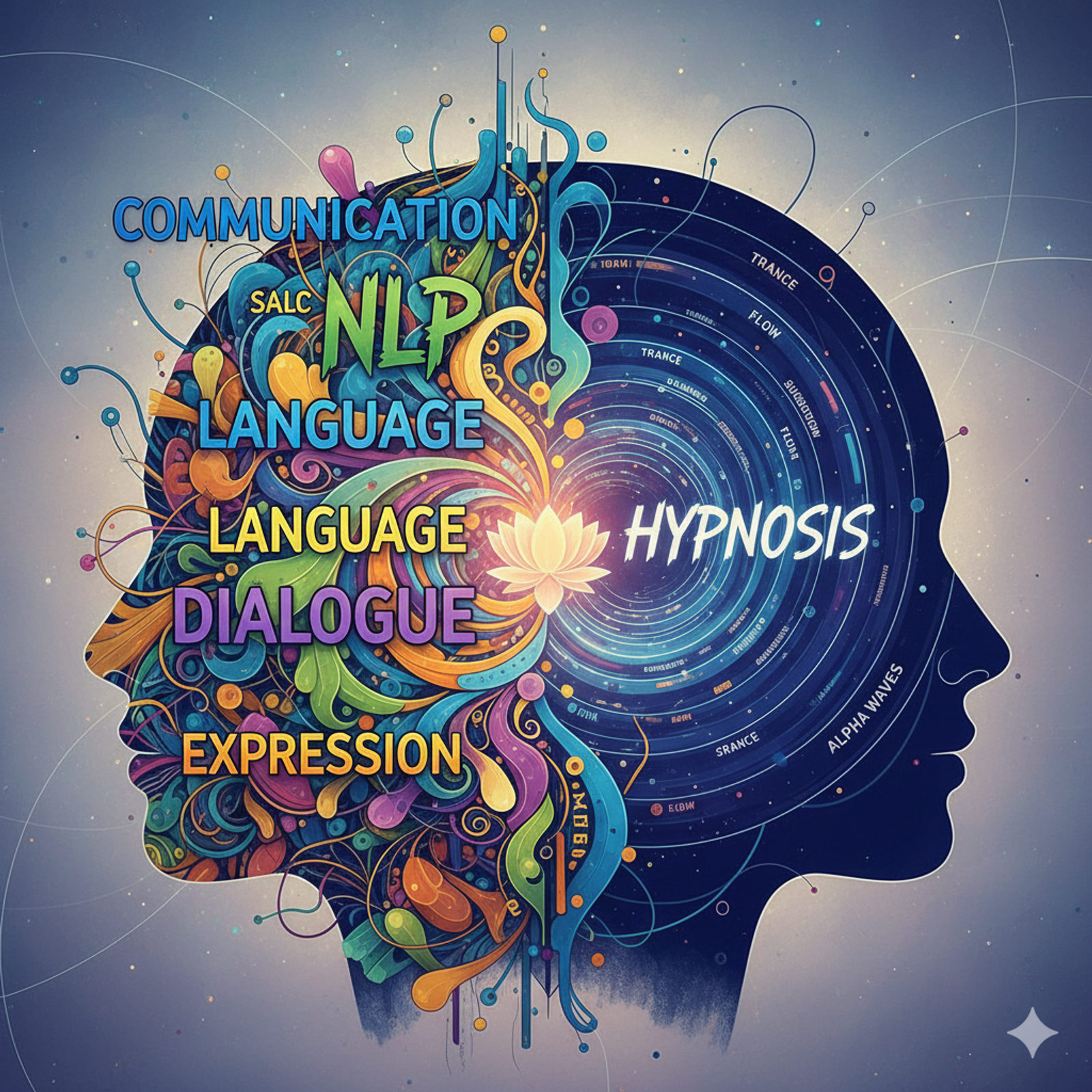
The human mind's capacity for transformation is remarkable, yet accessing that potential often requires the right combination of approaches. When Neurolinguistic Programming (NLP) and hypnosis work together, they create a powerful synergy that can facilitate profound personal change and enhanced well-being.
This combined approach represents more than simply using two techniques simultaneously. It's about understanding how language patterns, behavioral responses, and altered states of consciousness can work together to create lasting transformation. While hypnosis creates an optimal state for receiving new information and perspectives, NLP provides precise tools for restructuring thought patterns and communication styles.
Many practitioners have discovered that clients experience more comprehensive outcomes when these modalities are integrated. The combination allows for both conscious and subconscious processing of change, creating multiple pathways for personal growth. Hypnosis opens the door to the subconscious mind, while NLP provides the specific language patterns and techniques to facilitate meaningful dialogue with that deeper part of ourselves.
This integrated method appeals to individuals seeking comprehensive approaches to personal development. Rather than addressing surface-level symptoms, the combination works with both the conscious analytical mind and the deeper subconscious patterns that often drive our behaviors and responses.
The growing interest in combined approaches reflects a broader understanding that human consciousness operates on multiple levels simultaneously. By working with both the relaxed, receptive state of hypnosis and the precise communication tools of NLP, practitioners can offer clients a more complete experience of personal exploration and growth.
For those curious about this integrated approach, understanding how these two modalities complement each other provides insight into why their combination has become increasingly popular among both practitioners and clients seeking meaningful personal change.
Understanding Neurolinguistic Programming Fundamentals
Neurolinguistic Programming emerged in the 1970s from studying how exceptional communicators and change-makers achieved their remarkable results. At its core, NLP examines the relationship between neurological processes, language patterns, and behavioral programming that has been learned through experience.
The fundamental premise of NLP is that we can understand and modify the internal processes that drive our behaviors and responses. By examining how we process information, create meaning, and communicate both internally and externally, we can identify patterns that either serve us or limit us.
One of NLP's key principles is that the map is not the territory. This means that our perception of reality is not reality itself, but rather our individual interpretation based on our unique experiences, beliefs, and filters. Understanding this concept opens possibilities for reframing experiences and creating new perspectives on challenging situations.
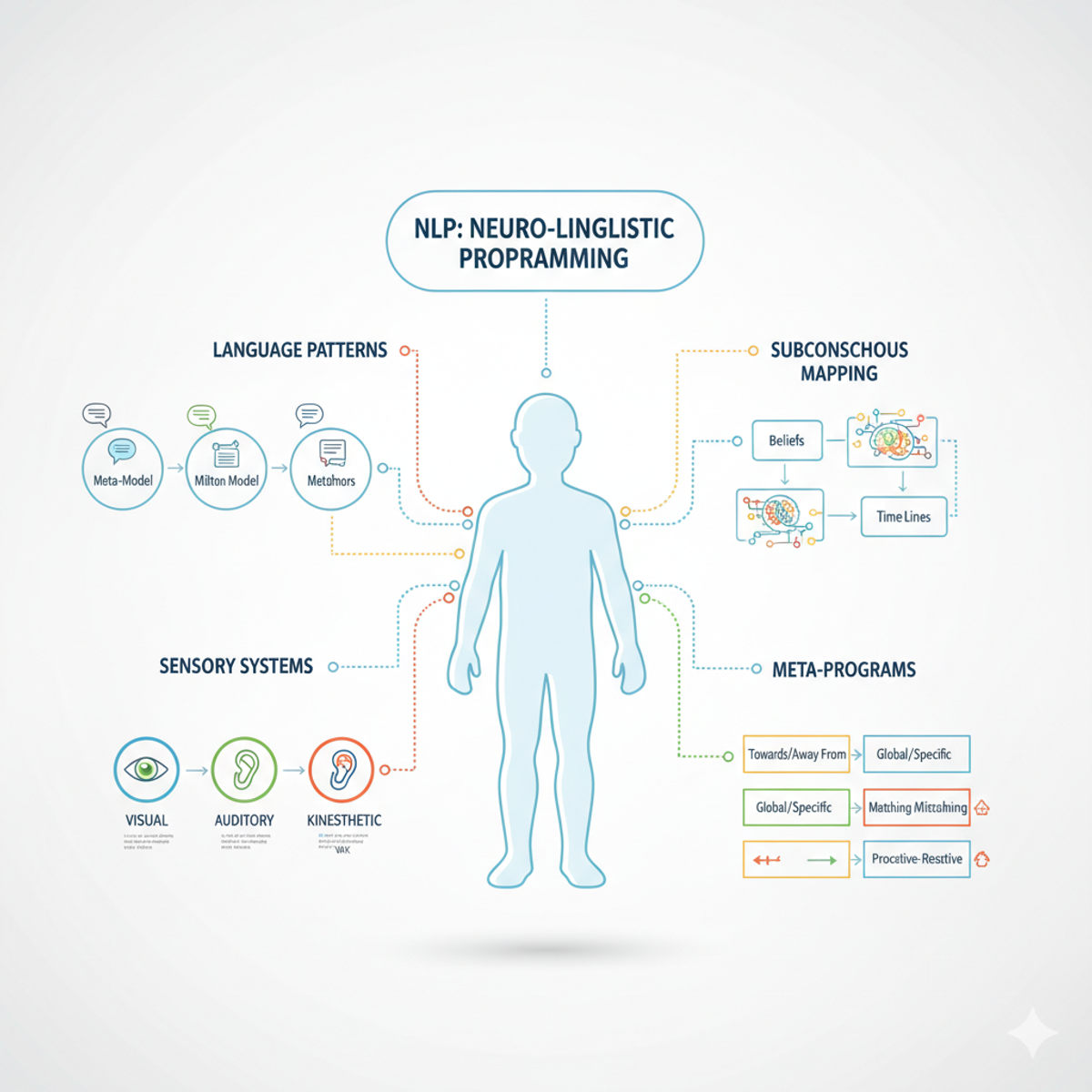
NLP recognizes that we all have preferred representational systems – ways we process and store information. Some people are primarily visual, creating rich mental images. Others are more auditory, focusing on sounds and internal dialogue. Still others are kinesthetic, emphasizing feelings and physical sensations. Understanding these preferences allows for more effective communication and personal change work.
The modeling aspect of NLP involves studying excellence in any field and breaking down the specific strategies successful people use. This isn't about copying someone else, but rather understanding the underlying patterns and structures that create success, then adapting them to individual circumstances and goals.
Language patterns play a crucial role in NLP. The words we use, both in external communication and internal dialogue, shape our experience of reality. By becoming aware of language patterns that create limitations and learning new patterns that open possibilities, individuals can literally change their experience of life.
Meta-programs are another important NLP concept – these are the unconscious filters that determine how we pay attention to information. Some people naturally focus on problems to solve, while others focus on goals to achieve. Some prefer detailed information, while others want the big picture. Understanding these patterns helps create more effective communication and personal development strategies.
NLP techniques work by interrupting automatic patterns and installing new, more useful ones. This process respects the individual's own wisdom and capacity for change, providing tools and frameworks rather than imposing solutions.
The Science Behind Hypnosis in Therapeutic Practice
Hypnosis represents a naturally occurring altered state of consciousness characterized by focused attention, reduced peripheral awareness, and enhanced capacity for response to suggestion. Modern neuroscience has revealed that hypnotic states involve measurable changes in brain activity, particularly in areas associated with attention, perception, and executive control.
During hypnotic states, the critical factor – the analytical part of the mind that filters and judges incoming information – becomes less active. This creates an opportunity for new ideas, perspectives, and possibilities to be considered without the usual mental resistance. It's similar to the state we experience naturally when absorbed in a good book or movie, where time seems to pass unnoticed.
The hypnotic state activates the parasympathetic nervous system, promoting deep relaxation and healing. This physiological shift creates optimal conditions for learning and change, as the body releases stress hormones and activates restoration processes. Brain wave patterns shift toward alpha and theta frequencies, associated with creativity, insight, and access to deeper mental resources.

Research has demonstrated that hypnotic states can influence various physiological processes, from immune function to pain perception. This mind-body connection reveals how mental states directly impact physical well-being, supporting the use of hypnosis for a wide range of concerns beyond traditional psychological applications.
The role of suggestion in hypnosis is often misunderstood. Rather than imposing external control, hypnotic suggestions work by activating the individual's own capacity for change. Effective suggestions align with the person's goals and values, creating internal motivation for transformation rather than external compliance.
Modern understanding emphasizes that all hypnosis is essentially self-hypnosis. The practitioner serves as a guide, but the individual retains complete control over their experience. This understanding helps address common misconceptions and creates a foundation of trust and collaboration in the therapeutic relationship.
Neuroplasticity research has shown that the brain's capacity for change continues throughout life. Hypnotic states appear to enhance this neuroplasticity, making it easier to establish new neural pathways and modify existing patterns. This scientific understanding supports the effectiveness of hypnosis for habit modification, belief system updates, and behavioral change.
The therapeutic applications of hypnosis extend far beyond relaxation, encompassing areas such as performance enhancement, creativity development, and personal insight. When individuals access these altered states regularly, they often report increased self-awareness, improved problem-solving abilities, and greater emotional resilience.
See how hypnosis can support your goals
Book a free 30-minute phone consultation to get personalized guidance.
How NLP and Hypnosis Work Synergistically
The combination of NLP and hypnosis creates a powerful synergy because each modality enhances the effectiveness of the other. While hypnosis creates an optimal state of receptivity and reduced critical analysis, NLP provides the precise communication tools and change techniques to maximize the potential of that state.
NLP's emphasis on sensory-specific language becomes particularly powerful during hypnotic states. When someone is in a relaxed, focused state, vivid sensory descriptions can create compelling internal experiences. A skilled practitioner can use visual, auditory, and kinesthetic language to help clients create rich, multisensory representations of desired changes and outcomes.
The NLP technique of anchoring – associating a specific stimulus with a desired state or resource – becomes significantly more powerful when established during hypnotic states. The focused attention and reduced interference from conscious analysis allows anchors to be installed more deeply and accessed more readily in daily life.
Reframing, another core NLP technique, works exceptionally well in combination with hypnosis. The relaxed, creative state of hypnosis makes it easier to consider new perspectives and meanings. Stories, metaphors, and analogies delivered during hypnotic states can bypass conscious resistance and create profound shifts in understanding.

Timeline techniques from NLP integrate beautifully with hypnotic regression work. The ability to mentally revisit past experiences and imagine future scenarios becomes enhanced in hypnotic states. This combination allows for healing past experiences while simultaneously installing positive expectations and resources for future situations.
The NLP communication model becomes a valuable framework for hypnotic work. Understanding how individuals process information through their preferred representational systems allows practitioners to tailor hypnotic suggestions for maximum impact. Visual processors might respond best to guided imagery, while kinesthetic processors might prefer suggestions that emphasize feelings and sensations.
Meta-modeling, NLP's technique for recovering lost information and challenging limiting beliefs, can be adapted for use during light hypnotic states. This combination allows for gentle exploration of belief systems without triggering defensive responses, creating opportunities for organic belief change.
The precision of NLP language patterns enhances the effectiveness of hypnotic suggestions. Instead of general suggestions, practitioners can craft specific, well-formed outcomes that align perfectly with the client's goals and internal processing style. This customization increases the likelihood of successful integration and lasting change.
Case studies consistently demonstrate that clients receiving combined NLP and hypnosis sessions report faster progress and more comprehensive changes than those receiving either modality alone. The combination appears to work with multiple levels of consciousness simultaneously, creating change that is both intellectually satisfying and emotionally compelling.
Practical Applications of the Combined Approach
The integration of NLP and hypnosis offers versatile solutions for a wide range of personal development goals. Understanding these applications helps individuals recognize how this combined approach might support their own journey of growth and transformation.
For individuals dealing with anxiety and stress-related concerns, the combination provides both immediate relief and long-term coping strategies. Hypnotic states naturally activate the relaxation response, while NLP techniques help identify and modify the thought patterns that contribute to anxious feelings. Clients often learn to reframe stressful situations and develop internal anchors they can access during challenging moments.
Habit modification represents another powerful application of the combined approach. Whether addressing smoking, overeating, or other unwanted behaviors, hypnosis helps access the subconscious patterns driving these habits, while NLP provides specific techniques for installing new, healthier patterns. The combination addresses both the conscious decisions and unconscious triggers involved in habit change.
Communication skills and relationship dynamics often improve significantly with this integrated approach. NLP's communication tools become more deeply integrated when practiced during hypnotic states, while the relaxed state helps individuals release old communication patterns that no longer serve them. Many clients report improved relationships both personally and professionally.
Performance optimization benefits greatly from this combination. Athletes, performers, and business professionals use integrated sessions to overcome limiting beliefs, enhance confidence, and create compelling internal representations of success. The hypnotic state allows for detailed mental rehearsal, while NLP techniques ensure these rehearsals are structured for maximum effectiveness.

Individuals dealing with phobias and limiting belief systems often find the combined approach particularly effective. Hypnotic states provide a safe environment for gradually approaching feared situations, while NLP techniques help restructure the internal representations and beliefs that maintain the phobic response. The combination allows for both emotional healing and cognitive restructuring.
Self-confidence and self-esteem issues respond well to integrated approaches. Hypnotic states allow access to personal resources and positive memories that might be forgotten or minimized, while NLP techniques help install these resources as readily accessible internal references. Many clients discover strengths and capabilities they had forgotten they possessed.
Creative blocks and decision-making challenges often resolve through this combined work. The altered state of hypnosis naturally enhances creativity and intuitive insights, while NLP provides frameworks for organizing these insights into practical action plans. Artists, writers, and entrepreneurs frequently report breakthrough insights during integrated sessions.
Sleep issues and stress-related physical symptoms may also benefit from this approach. The deep relaxation of hypnotic states combined with NLP techniques for managing internal dialogue often results in improved sleep patterns and reduced stress-related physical tension. Clients learn tools they can use independently to maintain these improvements.
Weight management and healthy lifestyle changes represent another area where the combination proves valuable. The approach addresses both the conscious goals and unconscious patterns related to eating and exercise, creating alignment between what people want to do and what they actually do in daily life.
NLP Techniques That Enhance Hypnotic Sessions
Several specific NLP techniques integrate seamlessly with hypnotic work, creating enhanced opportunities for change and transformation. Understanding these techniques helps illustrate how the two modalities complement each other in practical application.
Anchoring techniques become particularly powerful when established during hypnotic states. The focused attention and reduced critical analysis of hypnosis allows anchors to be installed more deeply and accessed more reliably. A practitioner might guide someone into a resourceful state during hypnosis, then establish a physical anchor such as pressing thumb and forefinger together. This anchor can then be triggered in daily life to access that same resourceful state.
Visual, auditory, and kinesthetic anchors can all be established during hypnotic sessions. Some clients respond best to visual anchors like imagining a particular color or symbol, while others prefer auditory anchors such as a word or phrase, or kinesthetic anchors involving specific physical sensations or movements.
Reframing patterns work exceptionally well during hypnotic states because the usual mental resistance to new perspectives is reduced. A practitioner might guide someone to view a challenging situation from multiple angles, discovering new meanings and possibilities that weren't apparent in normal waking consciousness. The relaxed state makes it easier to genuinely consider and integrate these new perspectives.
Content reframes involve finding new meanings for specific experiences, while context reframes involve imagining how the same experience might be useful in different situations. Both types of reframes can be explored more thoroughly during hypnotic states, often leading to genuine shifts in how past experiences are understood and integrated.
Meta-modeling techniques can be adapted for use during light hypnotic states, allowing for gentle exploration of belief systems and internal maps. Instead of the more direct challenging that might occur in normal conversation, hypnotic states allow for softer questioning that invites discovery rather than defensiveness.
Timeline therapy integrates beautifully with hypnotic regression and progression work. Clients can mentally travel along their personal timeline, healing past experiences and installing positive resources for future situations. The vivid imagery possible during hypnotic states makes timeline work particularly compelling and effective.

The NLP technique of parts integration works well in hypnotic states, where different aspects of personality can be more easily accessed and communicated with. Internal conflicts can be resolved through dialogue between different parts, leading to greater internal alignment and reduced internal struggle.
Swish patterns, typically used for changing unwanted habits or responses, become more powerful when installed during hypnotic states. The vivid imagery and reduced critical analysis allow for more compelling internal representations of desired changes.
Future pacing, the NLP technique of mentally rehearsing new behaviors in future contexts, is enhanced by the rich imagery possible during hypnosis. Clients can create detailed, multisensory representations of themselves successfully implementing new patterns in various life situations.
The precision possible with NLP language patterns enhances the effectiveness of hypnotic suggestions. Instead of general suggestions, practitioners can craft specific, well-formed outcomes that align perfectly with the client's goals and processing style.
Ready to explore what hypnosis can do for you?
Reserve a free 30-minute phone consultation and get your questions answered.
Benefits of Choosing Combined Therapy Approaches
Individuals who choose integrated NLP and hypnosis sessions often report advantages that extend beyond what either approach might offer independently. These benefits reflect the synergistic nature of the combination and its ability to address change from multiple angles simultaneously.
Accelerated progress represents one of the most commonly reported benefits. Clients frequently achieve their desired outcomes in fewer sessions than might be required with traditional approaches. This efficiency occurs because the combination addresses both conscious and subconscious aspects of change simultaneously, creating multiple pathways for transformation.
The personalization possible with combined approaches means that each session can be tailored to individual learning styles, preferences, and goals. Visual processors might receive rich guided imagery during hypnotic states, while analytical types might appreciate the logical frameworks provided by NLP techniques. This customization increases engagement and effectiveness.
Lasting results often occur because the combination addresses change at multiple levels of consciousness. Surface-level changes supported by deeper subconscious shifts tend to be more stable and enduring. Clients report that new patterns feel natural and automatic rather than forced or artificial.
Enhanced self-awareness frequently emerges from integrated sessions. The combination of hypnotic insight and NLP's systematic approach to understanding internal processes helps individuals develop clearer understanding of their own patterns, preferences, and potentials. This self-knowledge becomes a foundation for continued growth.
Improved emotional regulation often results from learning to access resourceful states through anchoring and other techniques practiced during hypnotic states. Clients develop practical tools for managing stress, anxiety, and other challenging emotions in daily life.
The holistic nature of the combined approach appeals to individuals who want comprehensive rather than symptom-focused work. Instead of addressing isolated issues, the integration often leads to improvements in multiple life areas simultaneously.
Greater confidence in the change process develops as clients experience success with the practical tools and techniques they learn. Unlike approaches that require ongoing dependence on external support, the combined method teaches self-sufficiency and internal resource access.
The collaborative nature of integrated sessions empowers clients as active participants in their own transformation rather than passive recipients of treatment. This involvement increases motivation and ownership of the change process.
Many clients report that the skills learned during integrated sessions continue to develop and expand over time. The frameworks provided by NLP and the self-hypnosis skills developed during sessions become tools for ongoing personal development.
Improved communication skills often emerge as an unexpected benefit, as NLP's communication tools become integrated during the relaxed learning state of hypnosis. Clients frequently report better relationships and increased effectiveness in both personal and professional interactions.
The gentle, respectful nature of properly conducted integrated sessions creates positive associations with personal development work, encouraging individuals to continue their growth journey with confidence and enthusiasm.
What to Expect in a Combined NLP and Hypnosis Session
Understanding what occurs during integrated sessions helps individuals prepare for their experience and maximize the benefits of this combined approach. While each practitioner may have their own style, certain elements are common to most integrated sessions.
The initial consultation typically involves discussing goals, exploring previous experiences with personal development work, and understanding individual preferences and concerns. This conversation helps the practitioner design an approach that aligns with personal learning styles and comfort levels.
Many practitioners begin by explaining the process and addressing any questions or concerns about hypnosis or NLP techniques. This education phase helps establish trust and comfort, which are essential for effective work.
The hypnotic induction usually begins the session, guiding individuals into a relaxed, focused state. This might involve progressive relaxation, breathing techniques, or guided imagery. The goal is creating a state of comfortable relaxation and focused attention rather than unconsciousness or loss of control.
Once a hypnotic state is established, various NLP techniques might be integrated depending on the session goals. This could include guided imagery for anchoring positive states, reframing exercises for changing perspectives on past experiences, or future pacing for rehearsing new behaviors.
Throughout the session, individuals remain aware and in control of their experience. The practitioner serves as a guide, offering suggestions and frameworks, but the individual determines their own level of participation and comfort.
Sessions typically include post-hypnotic suggestions designed to support continued progress between sessions. These might include triggers for accessing resourceful states, reminders of insights gained during the session, or motivation for practicing new behaviors.
The emergence from hypnotic states is gradual and comfortable, often leaving individuals feeling refreshed and energized rather than drowsy or disoriented. Many people report feeling more relaxed and optimistic than when they arrived.
Session conclusions usually include discussion of experiences during the hypnotic work and identification of practical applications for daily life. This integration phase helps bridge the session experience with ongoing personal development goals.
Homework or practice assignments might be suggested to reinforce session work and continue progress between appointments. These typically involve practicing self-hypnosis, using anchoring techniques, or applying new communication patterns in daily life.
The number and frequency of sessions varies depending on individual goals and preferences. Some people achieve satisfaction in just a few sessions, while others prefer ongoing support for continued growth and development.