Introduction: The Intersection of Ancient Practice and Modern Research
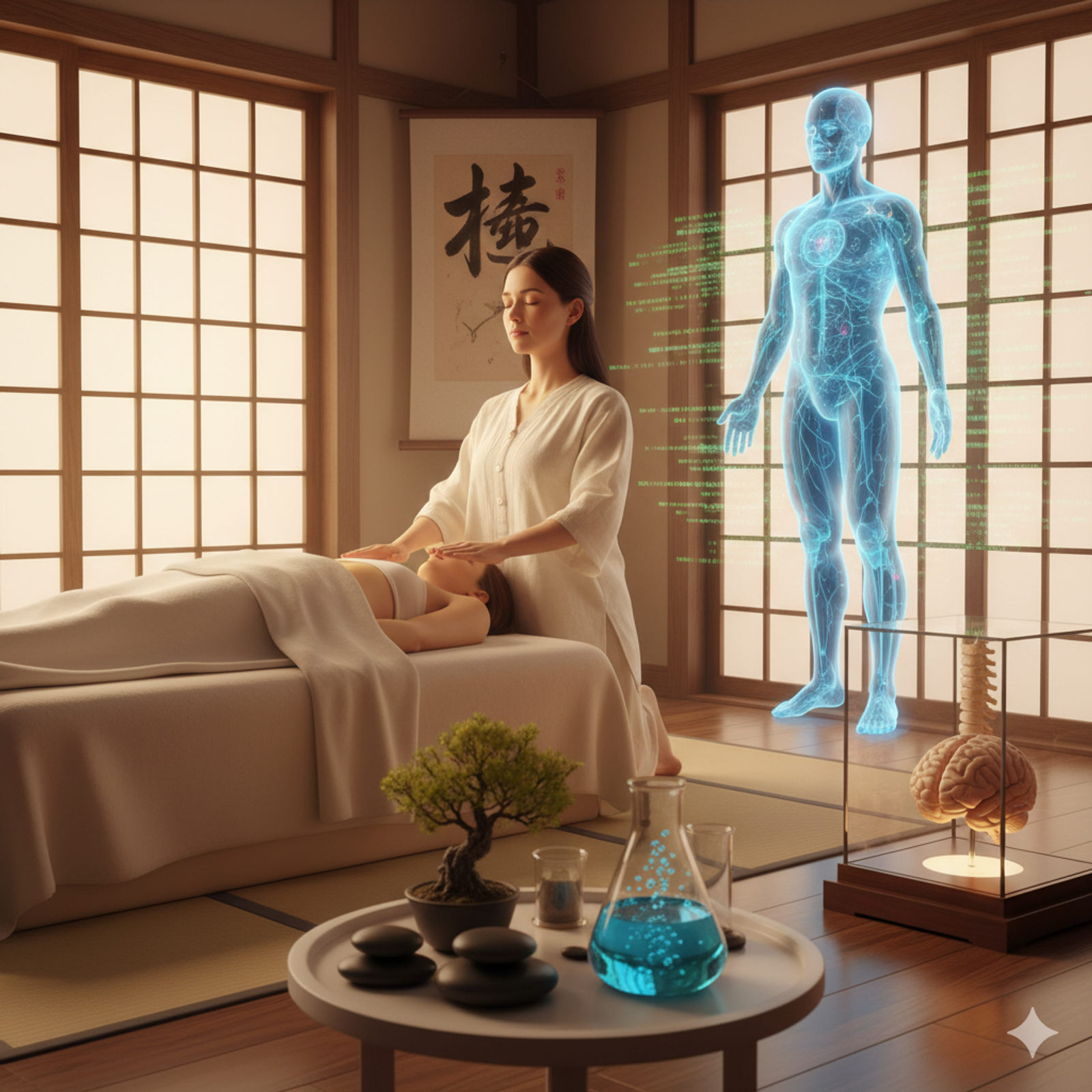
Reiki, a Japanese energy practice developed in the early 20th century, has increasingly captured the attention of researchers seeking to understand its potential benefits through scientific inquiry. This gentle, non-invasive approach involves practitioners placing their hands lightly on or near the body to support relaxation and well-being.
The growing scientific interest in energy therapies reflects a broader movement toward integrative wellness approaches that complement conventional care. Researchers are examining how practices like Reiki might support stress reduction, comfort, and overall quality of life. However, studying subtle energy practices presents unique challenges that require careful consideration.
It's important to approach the research with realistic expectations. Scientific studies on Reiki focus on measurable outcomes such as pain levels, anxiety scores, and physiological markers rather than validating specific energy mechanisms. The research primarily examines whether participants experience beneficial changes following Reiki sessions, regardless of the underlying mechanisms.
Current studies contribute to our understanding of how complementary approaches might support wellness goals. As we explore this intersection of traditional practice and modern research, we gain valuable insights into the role such modalities might play in supporting human well-being and relaxation.
Understanding Reiki Through a Scientific Lens
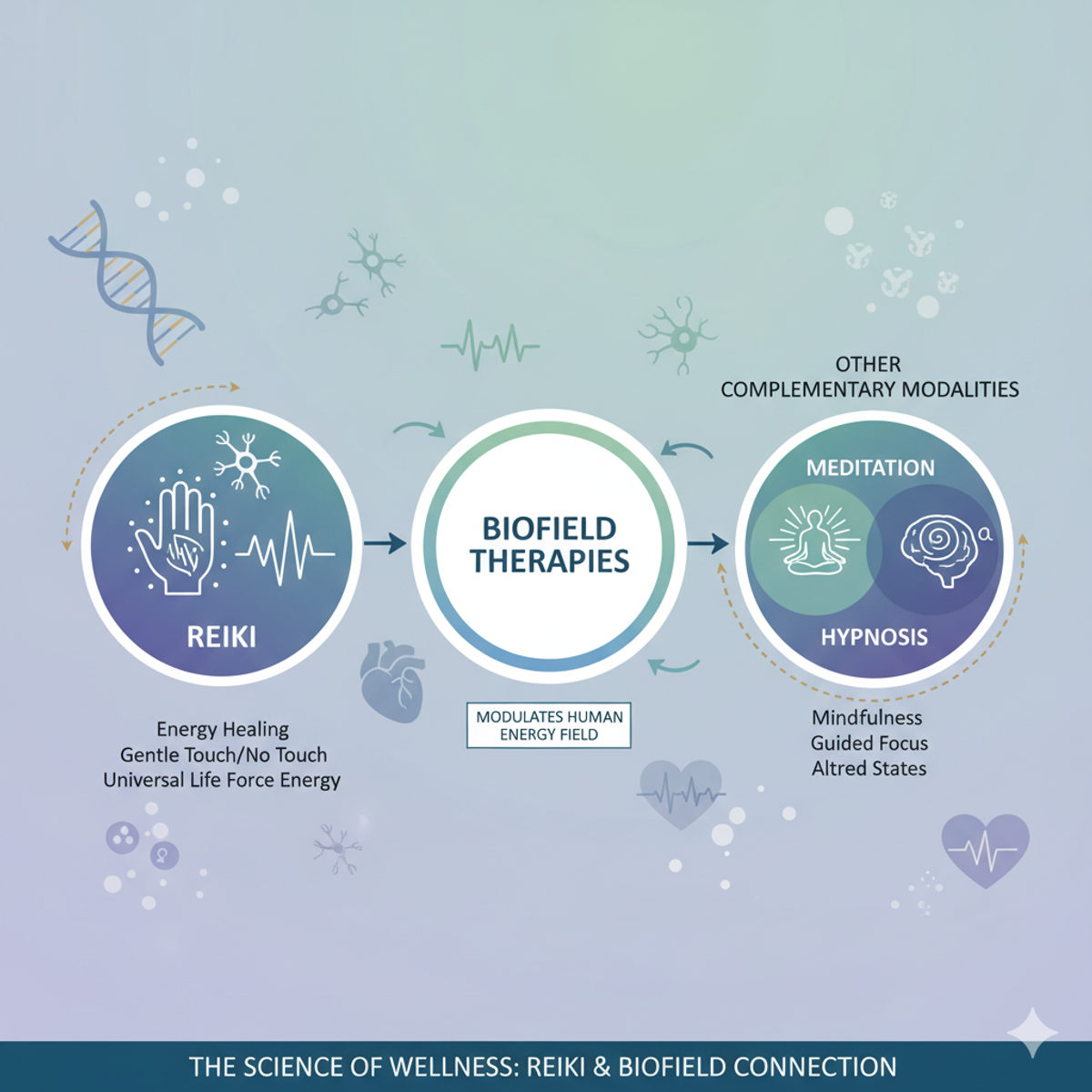
When researchers examine Reiki, they approach it as a biofield therapy—a category that includes practices involving gentle touch or near-body hand placement. From a scientific perspective, Reiki sessions are studied as interventions that may influence participants' subjective experiences and measurable physiological responses.
Scientists face unique challenges when studying subtle energy practices. Unlike pharmaceutical research, where specific compounds can be isolated and tested, energy therapies involve complex interactions between practitioner, recipient, and environment. Researchers must develop creative methodologies to account for these variables while maintaining scientific rigor.
The measurement of biofield interventions typically focuses on observable outcomes rather than attempting to detect or quantify energy fields directly. Studies examine changes in participants' reported symptoms, physiological markers like heart rate variability, stress hormone levels, and brain activity patterns. This approach allows researchers to document potential benefits without requiring validation of specific energy theories.
Reiki research connects to broader investigations of other complementary approaches, including therapeutic hypnosis, meditation, and mindfulness practices. All these modalities share common elements: focused attention, relaxed states, and supportive practitioner-client relationships. Understanding these shared characteristics helps researchers identify which aspects might contribute to positive outcomes.
The scientific lens also considers the role of expectation, belief, and the therapeutic relationship itself. Rather than dismissing these factors as mere placebo effects, researchers increasingly recognize them as important components of any wellness interaction, whether conventional or complementary.
Modern neuroscience provides tools to examine how gentle, supportive interventions might influence the nervous system. Brain imaging studies can observe changes in areas associated with stress response, pain perception, and emotional regulation, offering insights into possible mechanisms underlying reported benefits.
Ready to explore how Reiki can support your wellness?
Reserve a free 30-minute phone consultation and get your questions answered by Vittoria Fazio.
Overview of Reiki Scientific Research Methodologies
Scientific investigation of Reiki employs various research designs, each with distinct advantages and limitations. Randomized controlled trials (RCTs) represent the gold standard, where participants are randomly assigned to receive either Reiki, a control intervention, or standard care. These studies help isolate Reiki's specific effects from other variables.
Observational studies, while less controlled, provide valuable real-world data about how people experience Reiki in natural settings. These studies track participants over time, documenting changes in their well-being without manipulating variables. Such research offers insights into long-term patterns and helps identify areas for more controlled investigation.
Researchers utilize diverse measurement tools to assess outcomes. Standardized questionnaires measure pain intensity, anxiety levels, sleep quality, and overall life satisfaction. Physiological measurements might include blood pressure, heart rate, cortisol levels, and immune system markers. Some studies employ brain imaging techniques to observe neurological changes during or after sessions.
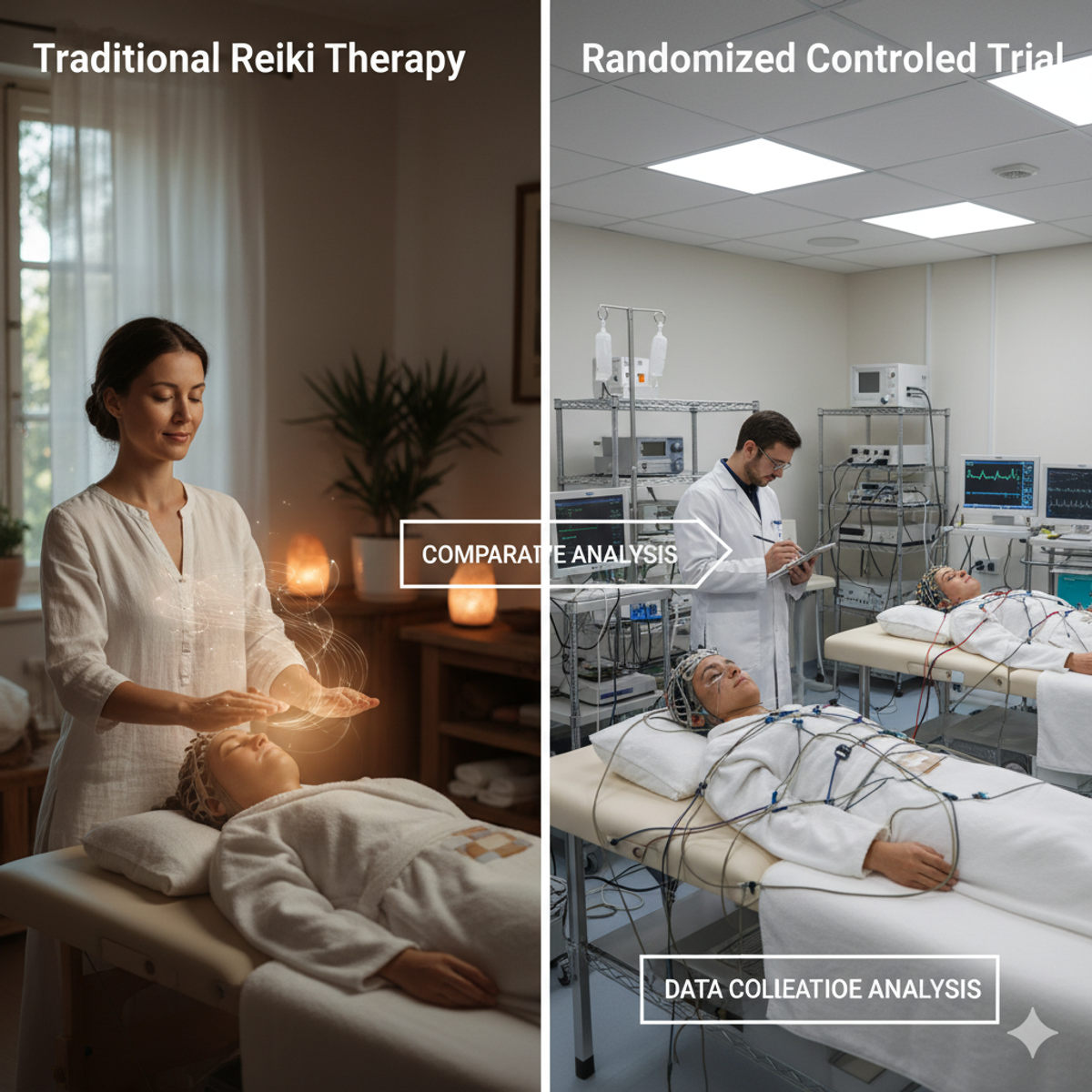
The challenge of creating appropriate control groups in energy therapy research has led to creative solutions. Some studies use "sham" Reiki, where actors mimic practitioner movements without formal training. Others compare Reiki to rest periods, standard medical care, or other complementary approaches. Each control method provides different insights into what aspects of the Reiki experience might contribute to outcomes.
Blinding participants in Reiki studies proves difficult since recipients typically know whether they're receiving the intervention. However, researchers can blind outcome assessors and data analysts to reduce bias. Some studies achieve partial blinding by having participants receive different types of touch-based interventions without knowing which specific approach they're experiencing.
Research limitations include small sample sizes in many studies, variations in practitioner training and experience, and differences in session frequency and duration. These factors make it challenging to draw definitive conclusions and highlight the need for larger, more standardized investigations.
Key Research Findings on Reiki's Effects
Scientific studies have examined Reiki's potential benefits across numerous areas, with pain management receiving considerable attention. Multiple studies suggest that participants often report reduced pain intensity following Reiki sessions. A systematic review of pain studies found that while results vary, many participants experienced meaningful improvements in comfort levels.

Research on acute pain, such as post-surgical discomfort, shows promising trends. Several hospital-based studies observed that patients who received Reiki reported lower pain scores compared to control groups. However, researchers note that these improvements might result from multiple factors, including relaxation, attention, and the supportive presence of practitioners.
Chronic pain research presents a more complex picture. Some studies with fibromyalgia patients found improvements in pain ratings and quality of life measures, while others showed minimal changes. The variability suggests that individual responses to Reiki may differ significantly, possibly influenced by factors like pain duration, severity, and personal receptiveness to such approaches.
Stress reduction represents another well-studied area. Multiple investigations document decreased cortisol levels and improved stress questionnaire scores following Reiki sessions. Participants frequently report feeling more relaxed and peaceful, with some studies showing these effects lasting several days post-session.
Anxiety research yields encouraging findings across various populations. Studies with cancer patients, surgical patients, and individuals with generalized anxiety often show reduced anxiety scores after Reiki sessions. Pre-operative anxiety studies suggest that Reiki might help patients feel calmer before medical procedures.
Sleep quality investigations reveal interesting patterns. Several studies found that participants reported better sleep following Reiki treatments, with improvements in both falling asleep and sleep duration. Some research suggests these benefits might accumulate over multiple sessions rather than appearing immediately after single treatments.
Quality of life assessments across diverse populations—including cancer patients, elderly individuals, and those with chronic conditions—frequently show positive trends. Participants often report enhanced overall well-being, improved mood, and greater sense of relaxation. However, researchers emphasize that these improvements represent participants' subjective experiences rather than cure or treatment of specific conditions.
Mood-related research indicates that Reiki sessions might support emotional well-being. Studies measuring depression and anxiety scales often find improvements, though the clinical significance varies. Some research suggests that regular sessions over several weeks produce more sustained mood benefits than single interventions.
Energy Therapy Studies in Clinical Settings
Hospitals and medical centers increasingly incorporate Reiki into patient support services, creating opportunities for clinical research. Major medical institutions, including some cancer centers and cardiac units, have established Reiki programs that serve both patients and research purposes. These settings provide controlled environments where researchers can study Reiki's integration with conventional care.
Hospital-based studies often focus on specific patient populations, such as individuals undergoing chemotherapy, surgical procedures, or cardiac interventions. Research in these settings examines whether Reiki sessions might complement standard medical care by supporting patient comfort and well-being. Results typically show that patients appreciate the additional support, often reporting enhanced relaxation and reduced treatment-related distress.

Healthcare professional perspectives on Reiki vary considerably. Surveys of nurses, doctors, and other medical staff reveal a range of attitudes, from enthusiastic support to cautious skepticism. However, many healthcare providers recognize that patients value these supportive approaches, particularly when clearly positioned as complementary rather than alternative to medical treatment.
Training programs for healthcare providers interested in offering Reiki have emerged in various medical settings. Research on these programs examines both learning outcomes and patient satisfaction. Studies suggest that when medical staff receive proper training, patients express high satisfaction with integrated care approaches that include energy therapy support.
Patient acceptance rates in clinical settings tend to be high when Reiki is offered as an additional support service. Studies show that most patients who are offered Reiki sessions accept them willingly, particularly when healthcare providers explain the approach clearly and emphasize its supportive rather than curative nature. Few adverse reactions are reported, making it a low-risk addition to patient care.
Cost-effectiveness research in clinical settings remains limited but suggests potential benefits. Some studies indicate that patients receiving Reiki alongside standard care report greater satisfaction with their overall treatment experience. If such approaches contribute to improved patient experiences without significant costs, they may represent valuable additions to healthcare services.
Integration challenges include scheduling, space requirements, and ensuring practitioners meet institutional standards. Successful clinical programs typically establish clear protocols for practitioner credentials, session documentation, and communication with medical teams.
The Science Behind Energy Therapy Mechanisms
Current theories about how Reiki might work focus on observable physiological and psychological mechanisms rather than unproven energy field concepts. The relaxation response represents one well-established pathway through which gentle, supportive interventions might benefit well-being. When people feel safe and cared for, their nervous systems naturally shift toward more balanced states.
Biofield research attempts to measure electromagnetic fields around the human body, though results remain inconclusive. Some studies document slight electromagnetic variations near practitioners' hands during sessions, but these findings require replication and don't necessarily correlate with therapeutic outcomes. The scientific community remains cautious about drawing conclusions from such preliminary electromagnetic investigations.
The placebo effect, rather than being dismissed as insignificant, is increasingly understood as a legitimate therapeutic mechanism. When people expect to feel better and receive caring attention, real physiological changes can occur. Brain imaging shows that placebo responses activate the same neural pathways as other beneficial interventions, suggesting that expectation and hope contribute meaningfully to well-being.
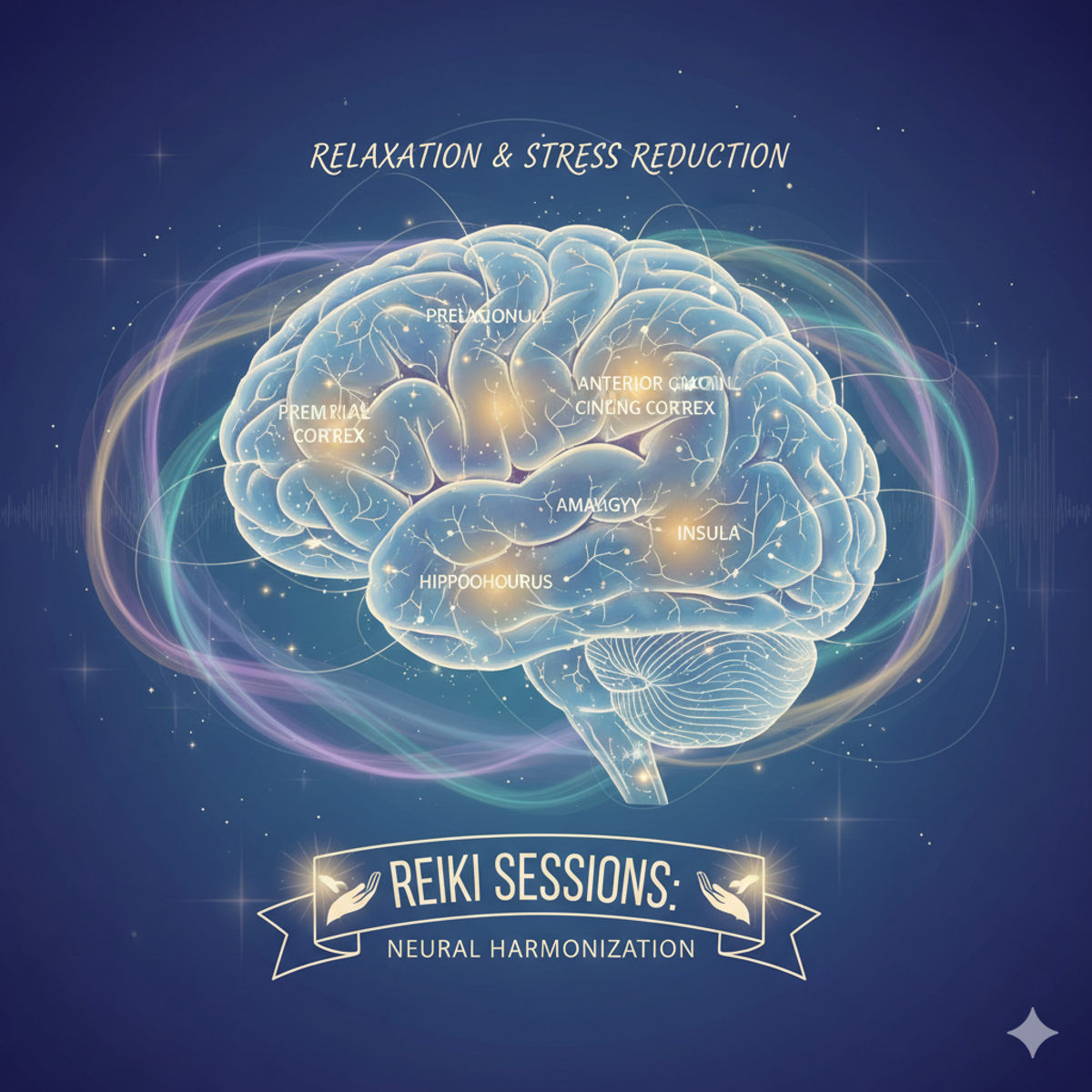
Neurological studies using brain imaging technology reveal interesting patterns during and after Reiki sessions. Some research shows increased activity in brain regions associated with relaxation and decreased activity in areas linked to stress and anxiety. These changes mirror those observed during meditation and other relaxation practices, suggesting common neurological pathways.
Touch research provides another perspective on possible mechanisms. Even gentle, non-manipulative touch can stimulate the release of oxytocin and endorphins while reducing stress hormones. The supportive human presence involved in Reiki sessions might activate these beneficial physiological responses regardless of any specific energy transfer.
Autonomic nervous system changes offer measurable indicators of Reiki's potential effects. Studies documenting decreased heart rate, lower blood pressure, and improved heart rate variability suggest that sessions might help shift the nervous system from stressed states toward more balanced functioning. These changes align with the relaxation response triggered by various supportive interventions.
The therapeutic relationship itself represents a powerful mechanism for promoting well-being. Research across many wellness modalities demonstrates that caring, attentive interactions can positively influence health outcomes. Reiki sessions provide dedicated time for supportive connection, which might contribute significantly to any observed benefits.
Limitations and Future Directions in Research
Current scientific evidence for Reiki faces several important limitations that researchers continue to address. Many studies involve relatively small sample sizes, making it difficult to draw broad conclusions about effectiveness. Larger, multi-site investigations would provide more robust evidence for understanding Reiki's potential benefits.
Standardizing energy therapy protocols presents ongoing challenges. Practitioners vary in their training backgrounds, session approaches, and experience levels. Future research might benefit from establishing more consistent protocols while still respecting the personalized nature of energy therapy practices.
Measuring subtle interventions like Reiki requires creative methodological approaches that conventional medical research designs may not adequately capture. Researchers are exploring mixed-methods approaches that combine quantitative measurements with qualitative interviews to better understand participants' experiences.
Long-term follow-up studies remain scarce. Most existing research examines immediate or short-term effects, but understanding whether benefits persist over weeks or months would inform decisions about session frequency and duration. Future investigations should include extended follow-up periods to assess sustainability of outcomes.
Control group design continues to challenge researchers. Creating truly blind control conditions proves nearly impossible with hands-on interventions. Innovative approaches might include comparing different types of supportive touch or examining dose-response relationships with varying session lengths or frequencies.
Publication bias may influence available research, as studies showing positive results might be more likely to reach publication than those finding no effects. Future research initiatives should encourage publication of all well-designed studies regardless of outcomes to provide a complete picture of current evidence.
Mechanism research requires more sophisticated approaches to understand how energy therapies might work. Rather than seeking to prove specific energy theories, scientists might focus on documenting physiological and psychological pathways through which supportive interventions benefit well-being.
Curious if energy work is right for you?
Book a free 30-minute phone consultation and get tailored guidance from Vittoria Fazio.
Integrating Energy Therapy with Other Therapeutic Modalities
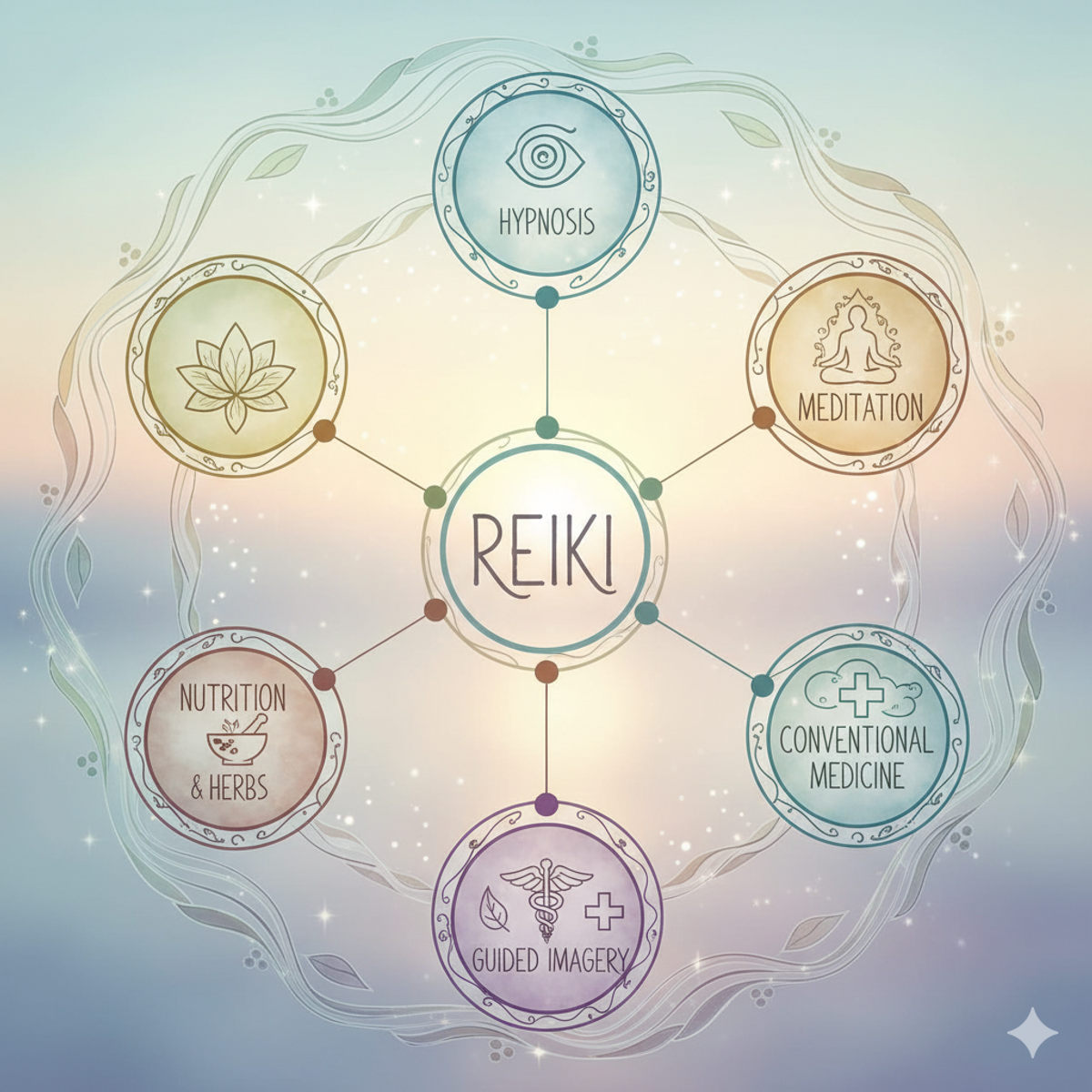
The combination of energy therapy with other complementary approaches offers promising avenues for comprehensive wellness support. Many practitioners and researchers recognize that different modalities may work synergistically, with each contributing unique benefits to overall well-being. This integrative perspective aligns with growing understanding that multiple factors influence health and wellness.
Therapeutic hypnosis and Reiki share several important characteristics, including their emphasis on relaxation, focused attention, and supportive practitioner-client relationships. Some practitioners combine these approaches, using hypnotic techniques to deepen relaxation before or during energy therapy sessions. Research on such combinations remains limited but suggests that integrated approaches might enhance the benefits of each individual modality.
Stress management programs increasingly incorporate multiple complementary approaches, recognizing that people respond differently to various interventions. Programs that offer choices among meditation, energy therapy, guided imagery, and other supportive practices allow individuals to discover what works best for their unique needs and preferences.
The integration of energy therapy with conventional medical care requires careful coordination and clear communication among all providers involved. Successful integrative approaches ensure that complementary services support rather than replace appropriate medical treatment, with all team members understanding their respective roles in supporting client well-being.
Conclusion: The Evolving Understanding of Energy Therapy
Scientific research on Reiki continues to evolve, providing valuable insights into how supportive, gentle interventions might benefit human well-being. While many studies suggest positive outcomes for stress reduction, comfort, and quality of life, the evidence requires continued investigation through rigorous scientific methods.
The current research landscape encourages cautious optimism rather than definitive claims. Energy therapy appears to offer meaningful support for many people, particularly when integrated thoughtfully with other wellness approaches. Continued scientific inquiry will help refine our understanding of these practices and their appropriate applications in supporting human flourishing.