Introduction
Depression affects millions of people worldwide, creating challenges that can feel overwhelming and isolating. While traditional medical treatments play a crucial role in supporting mental health, many individuals seek complementary approaches that address their well-being from a holistic perspective. This growing interest in integrative wellness has brought attention to energy-based practices like Reiki, which focuses on promoting balance and harmony within the mind-body connection.
Reiki represents one of many complementary wellness approaches that can work alongside traditional care to support emotional balance and inner peace. Rather than replacing conventional depression treatment, Reiki offers a gentle, non-invasive way to enhance overall well-being and create space for healing on multiple levels.
Understanding how energy work fits into holistic mental health support requires recognizing that our emotional, physical, and spiritual aspects are interconnected. When we experience depression, this affects not just our mood, but our entire being. Holistic approaches like Reiki acknowledge this interconnectedness, working to support balance throughout all aspects of our experience.
As we explore the relationship between Reiki and depression support, it's important to maintain realistic expectations while remaining open to the potential benefits that complementary approaches can offer. The journey toward emotional wellness often benefits from multiple supportive elements working together.
What is Reiki and How Does it Work?
Reiki originated in Japan during the early 20th century, developed by Mikao Usui as a spiritual practice focused on promoting relaxation and well-being. The word "Reiki" combines two Japanese terms: "rei," meaning universal or spiritual, and "ki," referring to life force energy that flows through all living beings. This practice is based on the principle that when our life force energy is balanced and flowing freely, we experience greater health and harmony.
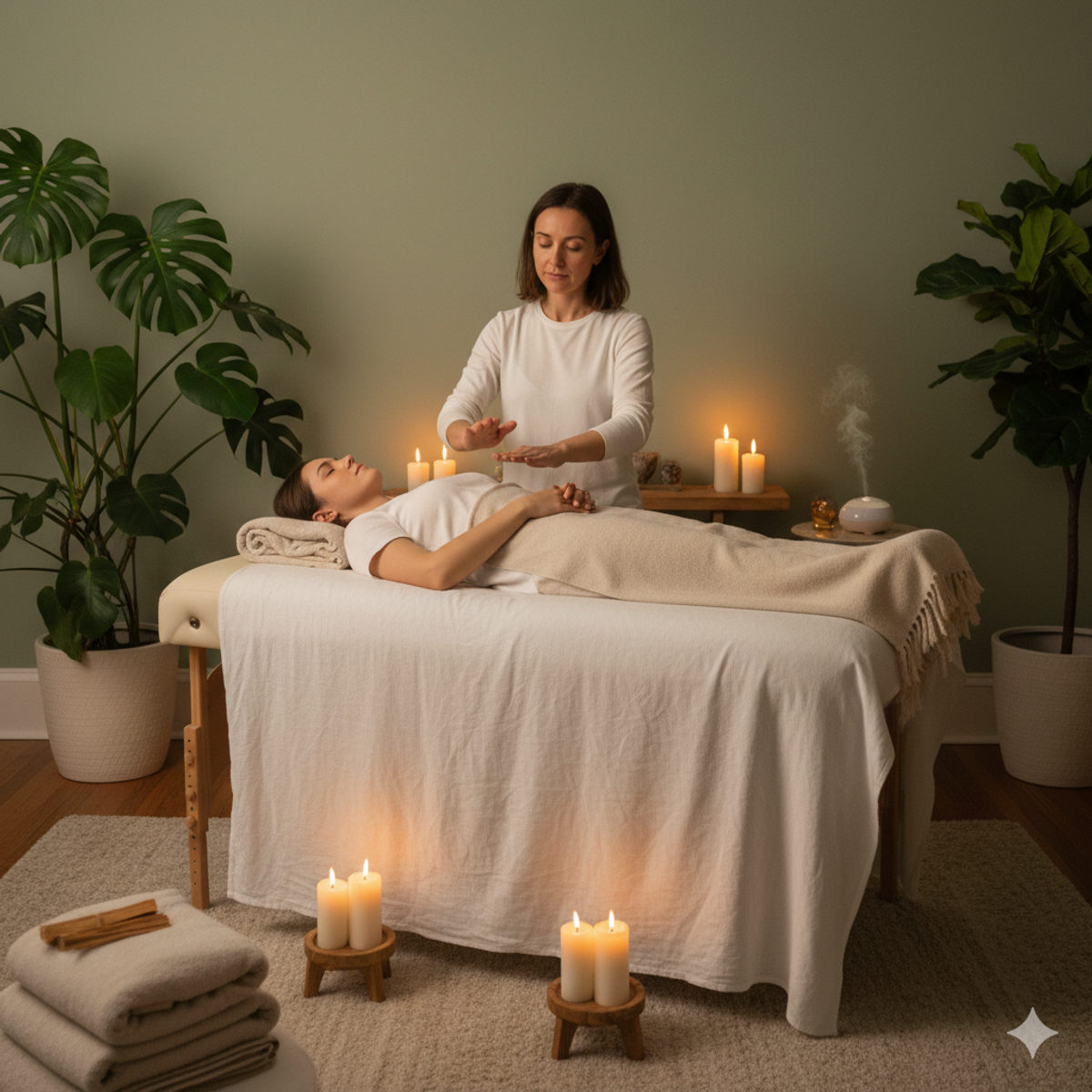
During a Reiki session, practitioners use gentle hand positions either directly on or slightly above the body to facilitate the flow of healing energy. The practice doesn't require any specific beliefs or religious affiliation, making it accessible to people from diverse backgrounds. Practitioners undergo training and attunement processes to develop their ability to channel this universal energy effectively.
The scientific understanding of energy-based therapeutic practices continues to evolve. Research in biofield science examines how subtle energy fields may influence biological processes. Studies have shown that practices like Reiki can trigger measurable physiological changes, including reduced stress hormones, improved heart rate variability, and enhanced immune function. While the exact mechanisms remain under investigation, the documented effects suggest that energy work influences the body's natural healing responses.
The mind-body connection plays a crucial role in mental wellness, and Reiki works within this interconnected system. When we experience chronic stress or depression, our nervous system often becomes dysregulated. Reiki sessions typically promote activation of the parasympathetic nervous system, which governs our rest and repair functions. This shift can create optimal conditions for emotional processing and mental clarity.
Practitioners understand that energy blockages or imbalances may manifest as physical tension, emotional distress, or mental fatigue. By working to restore energetic harmony, Reiki supports the body's innate wisdom to find balance. Many people report feeling deeply relaxed during sessions, often describing sensations of warmth, tingling, or peaceful floating. These experiences reflect the body's natural relaxation response being activated.

The Connection Between Reiki and Depression Treatment
From an energetic perspective, depression may be understood as involving imbalances or stagnation in our life force energy. Traditional energy healing concepts suggest that when our natural energy flow becomes blocked or depleted, we may experience symptoms that affect our emotional, mental, and physical well-being. These energy imbalances might result from various factors including chronic stress, trauma, loss, or prolonged emotional challenges.
Reiki serves as a complementary approach that works alongside traditional depression treatment methods. While it doesn't replace therapy, medication, or other medical interventions, it can enhance the overall healing environment. Many mental health professionals recognize that addressing well-being from multiple angles often provides the most comprehensive support for individuals experiencing depression.

Research on Reiki for mental health support has shown promising results, though more extensive studies are needed. A systematic review published in the International Journal of Behavioral Medicine found that Reiki sessions were associated with significant reductions in anxiety and depression scores. Participants in various studies reported improvements in mood, sleep quality, and overall quality of life following Reiki treatments.
One notable study conducted with patients experiencing depression found that those receiving Reiki sessions alongside conventional care showed greater improvement in depression scores compared to the control group. The research suggested that Reiki's relaxation effects and potential influence on stress hormones contributed to these positive outcomes. However, researchers emphasize the need for larger, more controlled studies to fully understand these mechanisms.
The effectiveness of Reiki for depression support may relate to its ability to activate the body's relaxation response and promote a sense of inner calm. Depression often involves heightened stress responses and difficulty accessing peaceful states of mind. By creating opportunities for deep relaxation, Reiki sessions may help interrupt patterns of anxious thinking and emotional overwhelm that characterize depression.
Additionally, the therapeutic relationship and focused attention during Reiki sessions provide valuable elements of support. Many people with depression struggle with feelings of isolation and disconnection. The caring presence of a skilled practitioner, combined with the intention to promote healing and well-being, can help individuals feel seen, supported, and worthy of care.
See how holistic healing can support your goals
Book a free 30-minute phone consultation to get personalized guidance.
Benefits of Reiki for Depression Management
One of the most consistently reported benefits of Reiki for individuals experiencing depression is significant stress reduction. The gentle, non-invasive nature of Reiki sessions naturally encourages the nervous system to shift from a state of vigilance and tension to one of relaxation and restoration. This relaxation response helps counteract the chronic stress that often accompanies depression, creating space for emotional healing and mental clarity to emerge.
During Reiki sessions, many people experience a profound sense of peace and calm that can feel refreshing and restorative. This deep relaxation goes beyond simple rest; it represents a state where the body can engage its natural healing mechanisms more effectively. The stress hormone cortisol, which is often elevated in depression, may decrease during and after Reiki sessions, contributing to improved mood and emotional regulation over time.

Sleep quality frequently improves for individuals receiving regular Reiki sessions. Depression commonly disrupts sleep patterns, creating a challenging cycle where poor sleep worsens mood symptoms, and depression makes restful sleep more difficult to achieve. Reiki's calming effects on the nervous system can help regulate sleep-wake cycles, making it easier to fall asleep and experience more restorative rest.
Emotional regulation represents another significant benefit that many people notice through consistent Reiki practice. Depression can make emotions feel overwhelming or, conversely, create numbness and disconnection from feelings. Reiki sessions often help individuals reconnect with their emotional landscape in a gentle, manageable way. The practice creates a safe container for processing difficult emotions while fostering greater emotional resilience.
Many recipients report an enhanced sense of inner peace and mindfulness following Reiki sessions. This heightened awareness can help individuals notice their thought patterns and emotional responses with greater clarity and less judgment. The mindful awareness cultivated through Reiki can support the development of healthier coping strategies and more compassionate self-talk.
The practice also supports overall mental health and well-being by promoting a sense of connection and purpose. Depression often involves feelings of hopelessness and disconnection from meaning. Reiki's focus on universal life force energy can help individuals feel more connected to something greater than themselves, fostering hope and renewed sense of purpose in their healing journey.
Physical symptoms that often accompany depression, such as tension, headaches, or digestive issues, may also improve through regular Reiki sessions. The holistic nature of energy work addresses the whole person, recognizing that emotional and physical well-being are intimately connected.
What to Expect During a Reiki Session

A typical Reiki session takes place in a peaceful, comfortable environment designed to promote relaxation and healing. The setting usually features soft lighting, calming music, and a treatment table where clients can lie down fully clothed. Practitioners often begin sessions with a brief conversation to understand any specific concerns or intentions the client wishes to address during the session.
The Reiki experience itself is gentle and non-invasive. Practitioners position their hands either lightly on or slightly above various areas of the body, typically starting at the head and moving systematically toward the feet. Each hand position is held for several minutes, allowing energy to flow where it's most needed. Clients often report feeling sensations of warmth, tingling, or deep relaxation, though experiences can vary significantly from person to person.
When working with clients experiencing depression, skilled practitioners create an especially nurturing and supportive environment. They understand that individuals dealing with depression may feel vulnerable or emotionally sensitive, so they maintain clear communication throughout the session and ensure clients feel safe and respected. The practitioner's compassionate presence becomes an integral part of the healing experience.
Some people experience emotional releases during Reiki sessions, which can include tears, memories, or waves of different feelings. Experienced practitioners recognize these responses as natural parts of the healing process and provide appropriate support. They create space for whatever arises without judgment, helping clients process their experiences in healthy ways.
Reiki can be effectively combined with other therapeutic modalities for comprehensive depression support. Many practitioners work collaboratively with therapists, counselors, and other healthcare providers to ensure clients receive well-rounded care. For instance, someone might receive weekly therapy sessions and monthly Reiki treatments, or combine Reiki with other complementary approaches like therapeutic hypnosis for enhanced emotional healing.
The integration of Reiki with approaches like hypnotherapy can be particularly beneficial, as both modalities work with the mind-body connection and promote deep relaxation states. These combinations can enhance the overall therapeutic experience and support more comprehensive healing on multiple levels.
Integrating Reiki with Professional Mental Health Care

Effective depression support often involves a team approach that includes various healthcare professionals working together toward common goals. Reiki practitioners who understand their role within this broader context can provide valuable complementary support while respecting the expertise of therapists, counselors, and medical doctors. This collaborative approach ensures that clients receive comprehensive care that addresses their needs from multiple perspectives.
Communication between practitioners becomes essential for optimal outcomes. Many Reiki practitioners maintain relationships with mental health professionals in their community, creating referral networks that benefit clients seeking integrated care. When everyone involved understands how different modalities complement each other, clients experience more coordinated and effective support.
Therapeutic hypnosis and Reiki share several complementary qualities that make them particularly effective when used together. Both approaches work with altered states of consciousness that promote deep relaxation and access to inner healing resources. Hypnotherapy can help address specific thought patterns and behavioral changes related to depression, while Reiki supports overall energetic balance and emotional well-being.
Clients who combine these modalities often report enhanced results, as each approach reinforces and amplifies the benefits of the other. The deep relaxation achieved through Reiki can make individuals more receptive to hypnotherapeutic suggestions, while the insights gained through hypnotherapy can be integrated more fully in the peaceful state fostered by Reiki sessions.
Creating a comprehensive approach to depression support might include weekly therapy sessions for emotional processing and coping skill development, regular Reiki sessions for stress reduction and energetic balance, and potentially other supportive practices like meditation, exercise, or nutritional counseling. This multi-faceted approach addresses the complex nature of depression from various angles.
The key to successful integration lies in maintaining clear communication between all providers involved and ensuring that the client feels empowered to make informed decisions about their care. Regular check-ins about progress and adjustments to the treatment plan help ensure that all modalities work synergistically toward healing goals.
Finding the Right Practitioner
When seeking a qualified Reiki practitioner to support depression-related concerns, several important qualities can help ensure a positive and effective experience. Look for practitioners who have completed comprehensive training through recognized Reiki lineages and maintain ongoing education in their field. Many reputable practitioners hold certifications from established organizations and participate in continuing education programs.
Experience working with individuals who have mental health concerns represents another valuable qualification. Practitioners who understand the complexities of depression and maintain appropriate boundaries while providing compassionate support can create more effective therapeutic relationships. They should demonstrate cultural sensitivity and awareness of trauma-informed care principles.
Before beginning treatment, consider asking potential practitioners about their training background, experience with depression-related concerns, and approach to working with clients who are also receiving other forms of mental health care. Inquire about their understanding of scope of practice and how they collaborate with other healthcare providers when appropriate.
Professional practitioners should clearly explain their services without making medical claims about treating or curing depression. They should encourage clients to maintain relationships with licensed mental health professionals and understand their role as complementary support rather than primary treatment for depression.
Understanding certifications and training becomes important in making informed decisions. Reiki training typically progresses through different levels, with practitioners receiving attunements that enable them to channel healing energy effectively. Look for practitioners who have completed at least Level 2 training and ideally have pursued Master level certification. Additional training in areas related to mental health, trauma sensitivity, or other complementary modalities can enhance their ability to provide appropriate support.
Trust your intuition when selecting a practitioner. The therapeutic relationship forms a crucial component of effective energy work, so finding someone with whom you feel comfortable and safe becomes essential for optimal outcomes.
Ready to explore what holistic healing can do for you?
Reserve a free 30-minute phone consultation and get your questions answered.
Self-Care Practices to Enhance Your Journey

While working with qualified practitioners provides valuable support, developing personal self-care practices can significantly enhance your journey toward emotional well-being. Simple techniques for maintaining emotional balance can be incorporated into daily life, creating ongoing support between professional sessions.
Mindfulness practices offer accessible tools for managing difficult emotions and developing greater self-awareness. Regular meditation, even for just 10-15 minutes daily, can help cultivate the same relaxed, present-moment awareness that characterizes beneficial Reiki sessions. Breathing exercises, progressive muscle relaxation, and gentle yoga can also promote the nervous system regulation that supports emotional balance.
Creating consistent daily routines that prioritize self-care helps build resilience through natural wellness approaches. This might include morning practices like journaling or gentle stretching, afternoon walks in nature, or evening rituals that promote restful sleep. The key lies in finding practices that feel nourishing rather than burdensome and can be maintained consistently over time.
Building resilience involves developing various coping strategies and support resources. This might include maintaining connections with supportive friends and family, engaging in creative activities that bring joy, or participating in community groups that share common interests. Resilience grows through practice, and small consistent actions often create more lasting change than dramatic but unsustainable efforts.
Energy awareness techniques can help individuals tune into their own energetic states and make choices that support balance. This might involve paying attention to how different activities, environments, or relationships affect your energy levels and mood. Learning to honor your energetic needs and create boundaries that protect your well-being becomes an important skill for long-term emotional health.
Nutritional choices, adequate hydration, and regular movement all support the energetic and emotional balance that Reiki and other healing practices promote. Creating sustainable mental health practices involves attending to these fundamental needs while also incorporating more specialized approaches like energy work and therapeutic support.
Conclusion
Reiki offers a gentle, holistic approach to supporting emotional well-being that can complement traditional depression treatment methods. While it doesn't replace professional mental health care, this ancient practice provides valuable tools for stress reduction, emotional regulation, and overall wellness enhancement.
Taking the first step toward holistic depression support often involves opening yourself to new possibilities while maintaining realistic expectations about the healing process. Reiki's non-invasive nature and focus on promoting natural healing responses make it accessible to most people seeking additional support for their mental health journey.
The importance of professional guidance in your wellness journey cannot be overstated. Working with qualified practitioners who understand both the benefits and limitations of complementary approaches ensures that you receive appropriate, safe, and effective support. Whether you choose to explore Reiki, therapeutic hypnosis, or other holistic modalities, maintaining connections with licensed mental health professionals provides essential foundation for comprehensive care.
Remember that healing happens gradually, and each person's journey unfolds uniquely. By combining professional support with self-care practices and complementary approaches like Reiki, you create multiple pathways toward greater emotional balance and well-being.
If you're ready to explore how holistic approaches like Reiki can support your journey toward emotional wellness, consider reaching out to Vittoria Fazio, who offers comprehensive holistic care that honors the full spectrum of your healing needs.
Note: This article is for educational purposes and should not replace professional medical advice or depression treatment from qualified healthcare providers.