The Power of Reiki Meditation for Modern Stress
In our fast-paced world, stress has become an unwelcome companion for millions of people. Whether it's work pressures, relationship challenges, or the constant bombardment of information from digital devices, many individuals are seeking effective ways to find inner peace and emotional balance. This search for tranquility has led many to explore reiki meditation, a gentle yet powerful approach that combines traditional meditation practices with the ancient art of energy awareness.
Reiki meditation differs from conventional meditation by incorporating the principles of energy flow and intentional healing. While traditional meditation focuses primarily on mindfulness and awareness, reiki meditation adds the element of universal life energy, known as "ki" or "chi." This energy-focused approach creates a deeper sense of relaxation and promotes natural healing responses in both body and mind.
The growing popularity of reiki meditation reflects our society's increasing recognition that stress requires more than just surface-level solutions. Modern research in neuroscience and wellness continues to validate what practitioners have known for centuries: that energy-based practices can effectively support the body's natural relaxation response and promote emotional well-being.
As someone who has witnessed countless individuals discover the transformative power of mind-body practices, I've observed how reiki meditation can beautifully complement other wellness approaches. When integrated with therapeutic techniques, it creates a comprehensive framework for personal growth and stress management. This holistic approach addresses not just the symptoms of stress, but also supports individuals in developing long-term resilience and emotional balance.
Understanding Reiki Energy Principles
The foundation of reiki energy work rests on the understanding that everything in the universe is composed of energy that flows in patterns and frequencies. This concept, while ancient, aligns remarkably well with modern quantum physics and our growing understanding of the interconnectedness of all living systems. In reiki meditation, practitioners learn to become aware of this energy flow and work with it to promote relaxation and well-being.
At the heart of reiki practice lie the five fundamental principles, originally developed by Mikao Usui, the founder of modern reiki. These principles serve as a daily framework for managing stress and cultivating inner peace. The first principle, "Just for today, I will not be angry," encourages practitioners to release resentment and irritation that can accumulate throughout the day. The second, "Just for today, I will not worry," helps individuals step away from anxious thinking patterns that often amplify stress.
The third principle, "Just for today, I will be grateful," shifts focus toward appreciation and positive recognition of life's blessings. This gratitude practice has been extensively studied and shown to improve mood, reduce stress hormones, and enhance overall life satisfaction. The fourth principle, "Just for today, I will do my work honestly," emphasizes integrity and authenticity in daily actions, which reduces internal conflict and promotes self-acceptance.
The fifth principle, "Just for today, I will be kind to every living thing," extends compassion outward while simultaneously nurturing self-compassion. When we treat others with kindness, we often experience a natural sense of peace and connection that counteracts feelings of isolation or frustration.
Energy awareness in reiki meditation involves learning to sense and direct the flow of life force energy through the body. This awareness doesn't require special abilities or years of training; rather, it develops naturally through regular practice and attention. Many practitioners describe feeling warmth, tingling, or a sense of flow during meditation, though experiences vary widely among individuals.
The connection between mind-body balance and stress reduction becomes particularly evident through reiki meditation practice. When the body's energy systems are balanced and flowing freely, the nervous system naturally shifts toward a state of calm alertness. This physiological change supports better decision-making, improved emotional regulation, and enhanced resilience in facing daily challenges.
Research in the field of energy medicine continues to explore how practices like reiki meditation influence the autonomic nervous system, particularly the parasympathetic response that governs rest and restoration. While the mechanisms are still being studied, many practitioners report significant improvements in sleep quality, reduced anxiety, and greater emotional stability through regular practice.
Ready to explore how Reiki can support your wellness?
Reserve a free 30-minute phone consultation and get your questions answered by Vittoria Fazio.
Essential Reiki Meditation Preparation
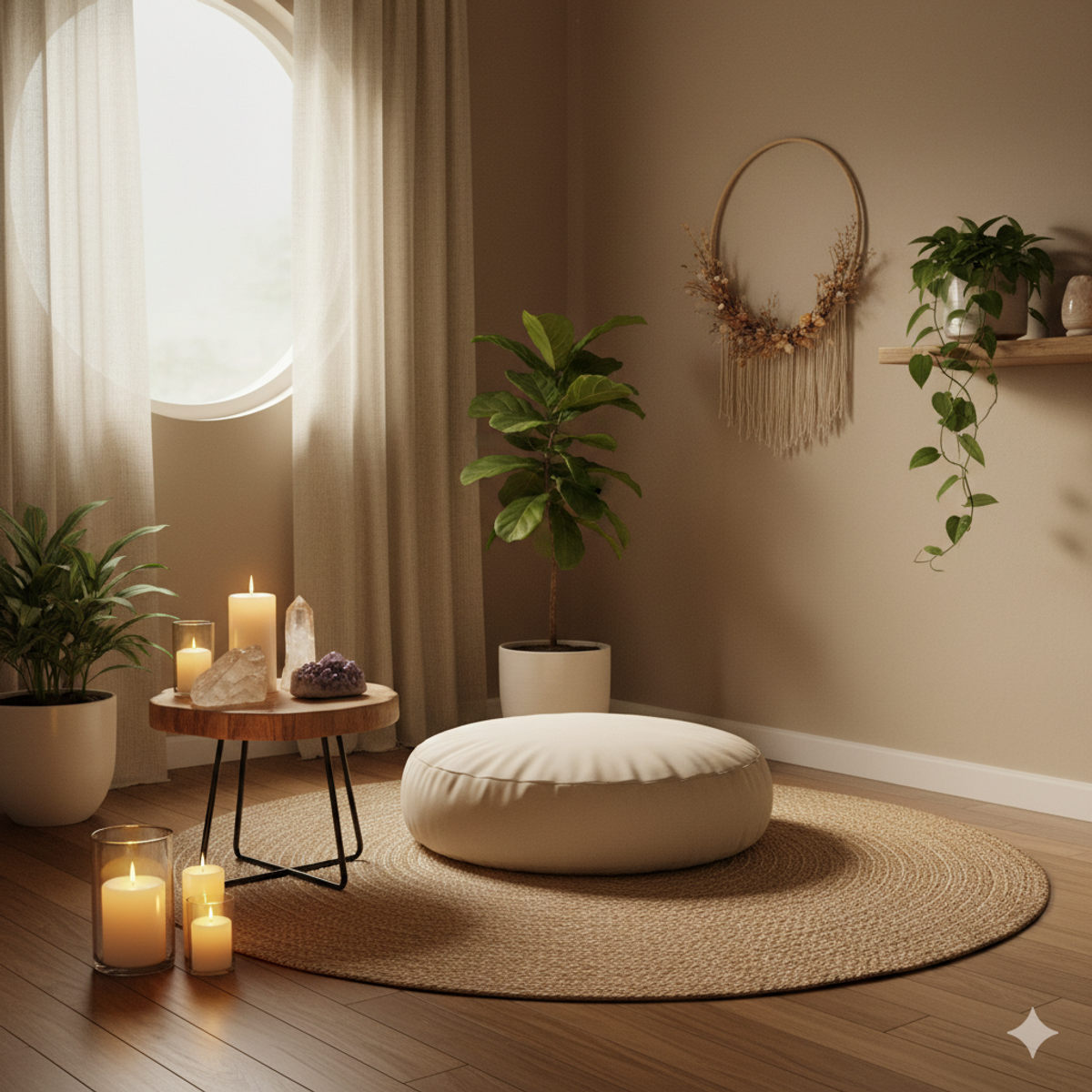
Creating an effective environment for reiki meditation begins with establishing a dedicated space that feels safe and peaceful. This sacred space doesn't need to be large or elaborate; even a corner of a bedroom or living room can serve as an effective meditation area. The key is consistency and intention. When you regularly use the same space for practice, it begins to hold the energy of your meditation sessions, making it easier to enter a relaxed state each time you return.
Consider elements that support tranquility in your chosen space. Soft lighting, whether from candles, salt lamps, or dimmed overhead lights, helps signal to your nervous system that it's time to slow down. Natural elements like plants, crystals, or a small water fountain can enhance the peaceful atmosphere, though these additions should feel authentic to your personal preferences rather than obligatory.
Temperature plays a crucial role in meditation comfort. A slightly cool room often works better than a warm one, as body temperature naturally rises during relaxation. Having a light blanket nearby allows you to adjust as needed without disrupting your practice. Removing or silencing electronic devices helps minimize distractions and creates energetic clarity in your space.
Proper hand positioning in reiki meditation serves both practical and energetic purposes. The most common position involves placing your hands gently on your body, often beginning with hands over your heart or resting on your abdomen. The touch should be light and comfortable, never forced or tense. Some practitioners prefer to keep their hands slightly away from the body, sensing energy in the space just above the skin.
Body alignment supports optimal energy flow during meditation. Whether sitting in a chair or on the floor, maintain a straight but not rigid spine. Imagine a gentle string pulling from the crown of your head toward the ceiling, naturally lengthening your spine without creating tension. Your shoulders should feel relaxed and dropped away from your ears, and your jaw should be soft and slightly open.
Breathing techniques form the foundation of effective reiki meditation. Begin with natural breath observation, simply noticing the rhythm and depth of your breathing without trying to change it. This awareness practice alone often begins to slow and deepen the breath naturally. As you become more comfortable, you can introduce intentional breathing patterns that enhance energy flow.
One particularly effective technique involves breathing in through the nose for a count of four, holding gently for two counts, then exhaling through the mouth for a count of six. This extended exhale activates the parasympathetic nervous system and promotes deep relaxation. The counts can be adjusted based on your natural lung capacity and comfort level.
Setting clear intentions before beginning your meditation practice helps focus your energy and attention. Intentions might include releasing stress from a specific situation, cultivating inner peace, or simply creating space for relaxation and renewal. Speak or think your intention clearly, then let it go, trusting that your practice will support whatever healing or balance is most needed in the moment.
Core Reiki Meditation Techniques for Beginners
The self-treatment meditation sequence provides an excellent foundation for beginners seeking stress relief through reiki practice. Begin by settling into your prepared space and taking several deep, cleansing breaths. Place your hands gently over your eyes, covering them completely while allowing your fingertips to rest lightly on your forehead. This position, traditionally the first in reiki self-treatment, helps calm mental chatter and release tension from the day's visual stimulation.
Hold this position for three to five minutes, breathing naturally and allowing yourself to receive whatever sensations arise. Some people feel warmth or tingling, others experience a sense of peace or emotional release. There's no right or wrong response; simply remain open to your experience without judgment or expectation.
Next, move your hands to the sides of your head, covering your ears with your palms while your fingers rest along your temples. This position supports emotional balance and can be particularly helpful for those dealing with anxiety or overwhelm. The gentle pressure and warmth often provide immediate comfort and help quiet both external distractions and internal mental noise.
Continue the sequence by placing your hands over your throat area, being careful not to apply pressure that restricts breathing. This position supports communication and self-expression, helping to release tension that often accumulates from unexpressed emotions or difficult conversations. Many practitioners find this position particularly helpful for releasing stress related to work conflicts or relationship challenges.
The heart center position involves placing both hands over your heart, one hand on top of the other. This central position in reiki self-treatment supports emotional healing and self-compassion. Spend extra time here, allowing yourself to connect with feelings of love and acceptance. This position often brings up emotions, which is natural and healing; simply breathe through any feelings that arise.

The 21-day reiki meditation challenge offers a structured approach to developing consistent practice while experiencing progressive stress relief. The number 21 has significance in habit formation research, representing approximately the time needed to establish new neural pathways and behavioral patterns. During these three weeks, commit to practicing reiki meditation for at least 15 minutes daily, preferably at the same time each day.
Week one focuses on establishing routine and learning basic techniques. Use simple hand positions and concentrate on breath awareness. Many beginners notice improved sleep quality and reduced physical tension during this initial phase. Don't worry about doing everything perfectly; consistency matters more than perfection.
Week two typically brings deeper relaxation and increased sensitivity to energy sensations. You might notice emotions surfacing during practice, which indicates that stress and tension are being released from your system. Continue with your daily practice while perhaps extending sessions to 20 minutes when time allows.
Week three often reveals more subtle benefits: improved patience in stressful situations, better emotional regulation, and increased overall sense of well-being. Many practitioners find that by day 21, their meditation practice has become a cherished part of their daily routine rather than another obligation.
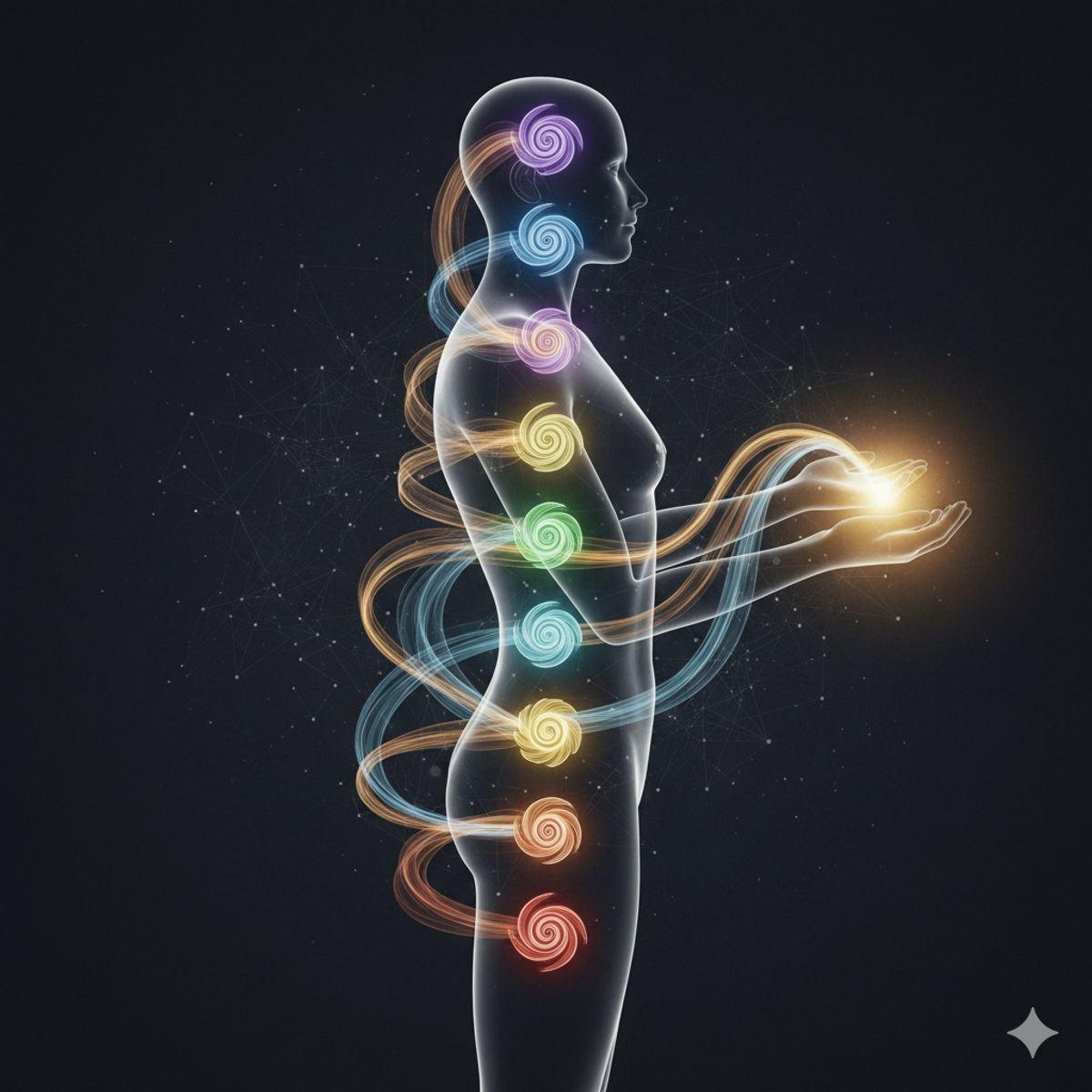
Working with chakras during meditation adds another dimension to stress relief practice. While detailed chakra work requires extensive study, beginners can benefit from simple awareness of these energy centers. Focus on the heart chakra (center of chest) for emotional balance, the solar plexus chakra (upper abdomen) for personal power and confidence, and the root chakra (base of spine) for grounding and security.
Advanced Reiki Meditation Practices

Distance reiki meditation opens new possibilities for emotional balance and stress relief by working with energy beyond physical boundaries. This practice involves sending reiki energy to situations, relationships, or even past events that continue to create stress in your current life. While it may sound complex, distance reiki meditation can be surprisingly accessible once you understand the basic principles.
Begin by establishing your regular meditation space and entering a relaxed state through breath awareness. Visualize the situation or person causing you stress, holding this image gently in your mind without becoming emotionally entangled. Place your hands in prayer position at your heart center and set the intention to send healing energy to this situation for the highest good of all involved.
Many practitioners find distance reiki meditation particularly helpful for work-related stress. By sending energy to challenging professional relationships or stressful projects, you often find that interactions improve and solutions emerge more naturally. This practice doesn't require the other party to be aware or involved; the energy works on the subtle levels that influence all interactions.
Combining reiki with guided visualization creates powerful synergy for stress relief and personal transformation. While maintaining hand positions on your body, engage your imagination to journey to peaceful places or visualize stress leaving your system. One effective technique involves imagining roots growing from your base into the earth, grounding and stabilizing your energy while drawing up earth's nurturing qualities.
Another powerful visualization involves imagining golden light entering through the crown of your head and flowing through your entire body, dissolving tension and stress wherever it encounters resistance. As the light moves through each area where you hold your hands, visualize it becoming brighter and more healing, carrying away anything that no longer serves your well-being.
Group meditation techniques add the dimension of shared energy and collective intention to reiki practice. When practicing with others, whether in person or virtually, the combined energy field often amplifies individual experiences and creates deeper states of relaxation. Group sessions typically begin with everyone setting similar intentions for stress relief and healing.
During group reiki meditation, participants often report feeling supported and held by the collective energy, which can be particularly beneficial for those dealing with isolation or overwhelming personal challenges. The shared experience also provides accountability and encouragement for maintaining regular practice.
Energy sharing in group settings involves subtle awareness of giving and receiving energy with others. This doesn't require physical contact or complex techniques; simply holding the intention to be both a channel for healing energy and open to receiving support from the group creates the necessary conditions for energy exchange.
Integrating reiki meditation with other wellness practices enhances overall stress management effectiveness. Combining reiki with gentle yoga creates a powerful mind-body practice, with reiki energy supporting the physical benefits of yoga postures. Many practitioners find that ending yoga sessions with reiki meditation deepens relaxation and integrates the practice more fully.
Reiki meditation also complements therapeutic approaches beautifully. When combined with professional counseling or therapy, the energy work can help process emotions and insights that arise during therapeutic sessions. The meditative practice provides tools for managing stress between sessions and supports overall healing progress.
Targeting Specific Stress-Related Challenges
Work-related anxiety responds particularly well to targeted reiki meditation techniques that can be adapted for office environments or brief practice sessions. The demands of modern professional life often create chronic stress patterns that accumulate throughout the workday, making it essential to have practical tools for immediate relief. A simple yet effective workplace technique involves the discrete hand position of placing one hand on your heart and the other on your solar plexus while taking five deep breaths.
This heart-solar plexus connection helps balance emotional responses with personal power, creating calm confidence rather than anxious reactivity. The practice takes less than two minutes and can be done at your desk, in a bathroom stall, or even during meetings with hands positioned under a table. Many practitioners find that regular use of this technique helps them respond to workplace challenges from a centered place rather than reacting from stress and overwhelm.

For deeper work-related stress relief, dedicate evening reiki meditation sessions to releasing the day's accumulated tension. Focus hand positions on areas where you physically hold work stress – often the shoulders, neck, and upper back. As you place your hands on these areas, visualize the day's frustrations and pressures flowing out through your hands and dissolving into the earth.
Sleep quality improvements often emerge as one of the most immediate benefits of regular reiki meditation practice. The deep relaxation response activated during reiki sessions naturally prepares the nervous system for restorative sleep. An effective bedtime routine involves a shortened version of the self-treatment sequence, focusing particularly on the head positions that calm mental activity.
The transition from wakefulness to sleep becomes smoother when you end each day by placing your hands over your heart and expressing gratitude for the day's experiences, even challenging ones. This practice shifts your mental state from review and worry to acceptance and peace, creating optimal conditions for rejuvenating sleep.
For those dealing with chronic insomnia or sleep anxiety, reiki meditation provides gentle alternatives to mental strategies that sometimes create more tension. Instead of trying to force sleep through willpower, the energy approach involves surrendering to whatever rest is available while trusting your body's natural healing wisdom.
Relationship stress often carries emotional complexity that makes it difficult to address through conventional stress management alone. Reiki meditation offers tools for managing your own emotional responses to relationship challenges while potentially improving the energetic dynamics between you and others. Distance reiki techniques can be particularly helpful for sending loving energy to strained relationships without requiring direct confrontation or conversation.
When practicing reiki meditation for relationship stress, focus on releasing resentment and hurt feelings that create ongoing tension in your system. Place your hands over your heart and breathe forgiveness – not necessarily for the other person's actions, but for your own peace and well-being. This practice often leads to natural shifts in how you interact with others and can open space for improved communication and understanding.
Life transitions – whether positive changes like marriage or career advancement, or challenging ones like divorce or loss – create stress through uncertainty and the need to adapt to new circumstances. Reiki meditation provides stability and grounding during times when external life feels chaotic or unpredictable. Regular practice helps you stay connected to your inner wisdom and natural resilience even when circumstances feel overwhelming.
During major life changes, increase your meditation frequency and duration to provide extra support for your nervous system. The consistent energy work helps process emotions and integrate new experiences more smoothly, reducing the physical and emotional toll that major transitions often create.
Creating Your Personal Reiki Meditation Routine
Developing a sustainable daily practice requires honest assessment of your current lifestyle and realistic goal-setting that supports long-term success. Many people begin with overly ambitious plans that become sources of stress rather than relief when they inevitably become difficult to maintain. Instead, start with five to ten minutes of daily practice at a consistent time that already feels natural in your schedule.
Morning practice offers the advantage of setting a peaceful tone for the entire day, while evening sessions provide natural transition into rest and restoration. Some practitioners find that brief midday sessions help reset their energy and maintain balance during busy periods. The key is choosing a time when you're least likely to be interrupted and most able to focus on your inner experience.
Consider creating multiple routine options to accommodate varying schedule demands. A full 30-minute practice for weekends might include extended self-treatment sequences and chakra work, while busy weekday mornings might require a streamlined 10-minute version focusing on breath awareness and basic hand positions. Having flexible options prevents the all-or-nothing thinking that often derails wellness practices.
Tracking your progress involves both subjective observation of stress levels and mood changes, as well as noting any physical improvements in sleep, energy, or overall well-being. A simple journal noting stress levels before and after practice, along with any insights or experiences during meditation, provides valuable feedback about what techniques work best for your unique needs.
Many practitioners find it helpful to rate their stress level on a scale of 1-10 before beginning meditation, then rating again afterward to track immediate benefits. Over time, you may also notice that your baseline stress level decreases, meaning you start each day from a calmer place even before practicing.
Environmental adaptation skills allow you to maintain your practice regardless of circumstances. While having a dedicated meditation space at home supports regular practice, developing the ability to create inner sanctuary wherever you are ensures consistency during travel, busy periods, or life changes. Simple techniques like focusing on breath awareness while placing hands discreetly on your body can be practiced almost anywhere.
Hotel rooms, airport terminals, and even busy offices can become temporary meditation spaces when you know how to quickly center yourself and connect with reiki energy. The more you practice in your established space, the easier it becomes to access the same peaceful state in various environments.
Building consistency often requires addressing internal resistance and the tendency to skip practice when you need it most. Notice the thoughts and excuses that arise when it's time to meditate, and develop gentle but firm responses that honor your commitment to self-care. Remember that even imperfect practice provides benefits, and consistency matters more than duration or technique perfection.
Curious if energy work is right for you?
Book a free 30-minute phone consultation and get tailored guidance from Vittoria Fazio.
The Science Behind Reiki and Stress Reduction

Current research in neuroscience and integrative medicine continues to explore the mechanisms through which energy-based practices influence physical and emotional well-being. While the field is still developing, several studies have documented measurable changes in stress markers, brain activity, and autonomic nervous system function following reiki sessions and meditation practice.
The relaxation response, first identified by Dr. Herbert Benson, describes the physiological changes that occur during deep relaxation states achieved through meditation and similar practices. This response includes decreased heart rate and blood pressure, reduced stress hormone production, and increased activity in brain regions associated with calm alertness and emotional regulation.
Reiki meditation appears to activate this relaxation response particularly effectively, possibly due to the combination of meditative awareness and the soothing effect of gentle touch. The hand positions used in self-treatment provide proprioceptive input that may enhance the nervous system's shift toward parasympathetic dominance, the state associated with rest and healing.
Regular practice creates cumulative benefits in nervous system functioning, with studies suggesting that consistent meditation practice can actually change brain structure over time. Areas of the brain associated with stress reactivity may become less active, while regions linked to emotional regulation and self-awareness show increased activity and even structural growth.
These neuroplastic changes help explain why many practitioners report not just feeling better during meditation sessions, but experiencing improved stress management and emotional balance in daily life. The brain literally rewires itself to support greater resilience and peace through regular practice.
Your Journey to Greater Peace and Balance
Your exploration of reiki meditation techniques opens a pathway to sustainable stress relief that honors both ancient wisdom and modern understanding of mind-body wellness. The practices outlined in this guide offer practical tools that can be immediately implemented while also providing foundation for deeper spiritual and personal development over time.
The most important insight to carry forward is that consistency trumps perfection in developing effective stress management through reiki meditation. Even five minutes of daily practice creates positive momentum and begins to shift your nervous system toward greater balance and resilience. Trust your own experience and allow your practice to evolve naturally as you discover what techniques resonate most deeply with your unique needs and preferences.
Remember that reiki meditation works synergistically with other approaches to wellness and personal growth. Whether combined with professional therapeutic support, medical treatment, or other holistic practices, the energy work enhances and supports your overall healing journey. Consider it one valuable tool in a comprehensive approach to managing stress and cultivating lasting well-being.
As you continue developing your practice, remain open to the subtle but profound changes that often emerge gradually over weeks and months of consistent meditation. Many practitioners find that benefits extend far beyond stress relief to include improved relationships, greater creative expression, and deeper connection to life purpose and meaning. Your journey toward greater peace and balance has begun – trust the process and allow it to unfold naturally.