

Introduction: The Growing Scientific Foundation of Therapeutic Hypnosis
The landscape of therapeutic hypnosis has undergone a remarkable transformation over the past decade. What was once viewed with skepticism by the mainstream medical community now enjoys robust scientific backing through rigorous clinical studies and peer-reviewed research. This shift represents more than just academic interest—it reflects a growing recognition that evidence-based hypnotherapy offers genuine benefits for individuals seeking support with various personal and wellness challenges.
Today's hypnosis research studies encompass everything from neurological investigations using advanced brain imaging technology to large-scale clinical trials examining therapeutic outcomes. Major universities, medical centers, and research institutions worldwide are dedicating significant resources to understanding how hypnotic states can facilitate positive change in areas ranging from stress management to habit modification.
The importance of this evidence-based foundation cannot be overstated. For individuals considering hypnotherapy sessions, having access to scientifically-backed information helps create realistic expectations and builds confidence in the process. This research also guides certified practitioners in developing more effective approaches and techniques.
Throughout this comprehensive review of current therapeutic hypnosis research, you'll discover breakthrough findings in areas such as stress reduction, behavioral change, and neurological functioning. We'll explore how modern brain imaging technology has revealed fascinating insights into what happens during hypnotic states, and examine clinical studies that demonstrate measurable outcomes for various applications. This scientific foundation continues to strengthen the credibility of therapeutic hypnosis while opening new possibilities for supporting human wellness and personal transformation.
Understanding Modern Hypnosis Research Studies
The world of therapeutic hypnosis research has evolved dramatically, employing sophisticated methodologies that meet the highest scientific standards. Modern hypnosis research studies utilize multiple approaches to ensure reliability and validity, from randomized controlled trials to longitudinal studies that track participants over extended periods.
Clinical trials in hypnotherapy typically follow established protocols similar to those used in pharmaceutical research. Participants are carefully screened, randomly assigned to treatment or control groups, and outcomes are measured using standardized assessment tools. These studies often compare hypnotherapy interventions against other approaches or control conditions, providing clear data on effectiveness.
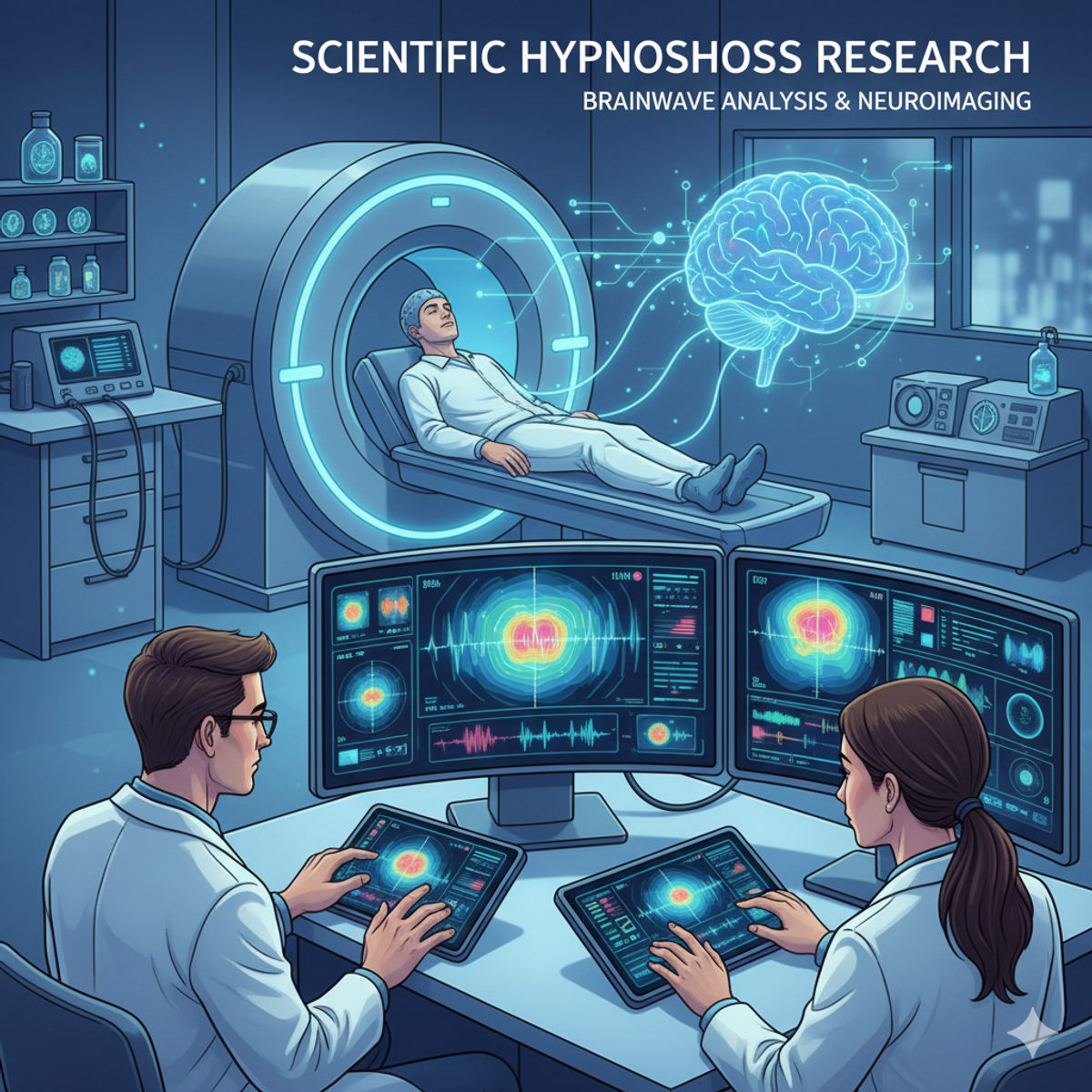
Neuroimaging studies represent another crucial category of therapy research. Using technologies like functional magnetic resonance imaging (fMRI) and electroencephalography (EEG), researchers can observe real-time brain activity during hypnotic states. These studies have revealed specific neural pathways activated during hypnosis, helping explain the mechanisms behind therapeutic outcomes.
Leading institutions conducting groundbreaking hypnosis research include Stanford University's School of Medicine, Harvard Medical School, and the University of Montreal, among others. The International Federation for Hypnosis and Ethical Consciousness (IFHEC) also supports research initiatives that advance understanding of therapeutic applications.
Meta-analyses and systematic reviews provide particularly valuable insights by combining results from multiple studies. These comprehensive evaluations help identify consistent patterns across different research settings and populations, strengthening the overall evidence base for therapeutic hypnosis.
Quality research in this field also emphasizes replication—the ability to reproduce findings across different studies and research teams. This scientific rigor ensures that positive outcomes aren't simply due to chance or specific circumstances, but represent genuine therapeutic effects that can be reliably achieved in clinical practice.
The diversity of research methodologies strengthens the overall credibility of findings, as consistent results across different types of studies provide compelling evidence for the effectiveness of therapeutic hypnosis in various applications.
Ready to explore what hypnosis can do for you?
Reserve a free 30-minute phone consultation and get your questions answered.
Breakthrough Findings in Pain Management Studies
Recent clinical trials have produced remarkable findings regarding hypnosis applications for supporting individuals experiencing chronic discomfort. A landmark study published in the International Journal of Clinical and Experimental Hypnosis followed participants with chronic conditions over six months, documenting significant improvements in comfort levels and quality of life measures.
One particularly noteworthy investigation examined hypnotic interventions during medical procedures. Researchers found that participants who received hypnotic preparation reported substantially better experiences compared to control groups. These findings have led to increased integration of hypnotic techniques in medical settings, particularly for procedures where traditional approaches may have limitations.
The mechanisms behind these positive outcomes are becoming clearer through neurological research. Brain imaging studies show that hypnotic states can influence neural pathways associated with sensory processing, effectively modifying how individuals experience physical sensations. This scientific understanding helps explain why many people find significant relief through hypnotic interventions.
Comparative effectiveness research has examined hypnotic approaches alongside conventional methods. Multiple studies indicate that hypnotic interventions often produce outcomes comparable to or exceeding traditional approaches, with the added benefit of no pharmaceutical side effects. This research has been particularly compelling for individuals seeking natural alternatives for managing chronic conditions.
Patient outcome measurements in these studies extend beyond simple comfort ratings. Researchers track functional improvements, sleep quality, mood changes, and overall life satisfaction. The results consistently show that benefits from hypnotic interventions often extend well beyond the primary target area, improving multiple aspects of participants' lives.
Long-term follow-up studies reveal that benefits from hypnotic interventions tend to maintain over time, with many participants reporting sustained improvements months after completing their sessions. This durability of outcomes represents a significant advantage over approaches that require ongoing pharmaceutical intervention.
Recent research has also identified specific populations that respond particularly well to hypnotic approaches, helping practitioners better match interventions to individual needs and circumstances.

Mental Health Applications: Latest Therapy Research
The evidence base for hypnotic interventions in emotional wellness continues to expand through rigorous clinical studies. Recent research has documented significant benefits for individuals dealing with anxiety, stress, and various mood-related challenges. A comprehensive study published in the American Journal of Clinical Hypnosis examined participants with generalized anxiety over a 12-week period, showing marked improvements in anxiety measures and overall emotional well-being.
Stress reduction protocols utilizing hypnotic techniques have gained particular attention in recent years. Clinical trials consistently demonstrate that participants experience measurable decreases in stress hormones such as cortisol following hypnotic interventions. These physiological changes correlate with subjective reports of feeling more relaxed, centered, and emotionally balanced.
Research examining depression support through hypnotic approaches has yielded encouraging results. Studies show that when used as part of a comprehensive wellness approach, hypnotic interventions can contribute to improved mood, increased motivation, and enhanced overall life satisfaction. The research emphasizes hypnosis as a valuable complementary approach rather than a standalone intervention for serious mood disorders.
Post-traumatic stress disorder (PTSD) research has revealed promising applications for trauma-focused hypnotic techniques. Clinical studies demonstrate that individuals who have experienced trauma often benefit from hypnotic approaches that help process difficult experiences while maintaining a sense of safety and control. These interventions appear particularly effective when combined with other therapeutic modalities.
Sleep disorder interventions represent another area of significant research advancement. Multiple clinical trials have documented improved sleep quality, faster sleep onset, and reduced nighttime awakenings among participants receiving hypnotic support for sleep challenges. Brain wave studies during sleep show measurable improvements in sleep architecture following hypnotic interventions.
The research consistently emphasizes the importance of individualized approaches. Studies show that therapeutic outcomes improve when hypnotic techniques are tailored to specific needs, preferences, and circumstances. This finding supports the practice of certified practitioners who develop personalized intervention plans rather than using one-size-fits-all approaches.
Neuroplasticity research has provided fascinating insights into how hypnotic states may facilitate positive changes in brain structure and function, supporting long-term emotional wellness and resilience.

Addiction Recovery and Behavioral Change Research
Behavioral modification research has produced compelling evidence for hypnotic approaches in supporting individuals who wish to change unwanted habits and patterns. Smoking cessation studies consistently rank among the most impressive outcomes in addiction recovery research, with multiple clinical trials showing success rates that often exceed other popular cessation methods.
A landmark meta-analysis examining smoking cessation approaches found that participants receiving hypnotic support showed significantly higher quit rates at both short-term and long-term follow-up intervals. The research suggests that hypnotic interventions address both the physical and psychological aspects of nicotine dependence, making the cessation process more manageable and sustainable.
Weight management research has revealed particularly interesting findings about the relationship between hypnotic states and eating behaviors. Clinical studies document significant changes in participants' relationships with food, including reduced emotional eating, improved portion control awareness, and increased motivation for healthy lifestyle choices. These behavioral changes often persist well beyond the active intervention period.
Eating behavior studies using neuroimaging technology show that hypnotic interventions can influence brain regions associated with impulse control and decision-making. This neurological research helps explain why many individuals experience lasting changes in their eating patterns following hypnotic support.
Substance abuse applications represent an emerging area of research, with preliminary studies showing promise for supporting individuals in recovery from various dependencies. The research emphasizes hypnotic approaches as valuable components of comprehensive recovery programs rather than standalone interventions.
Long-term behavior modification outcomes reveal that hypnotic interventions often produce cascading positive changes. Participants frequently report improvements in areas beyond the original target behavior, including increased self-confidence, better stress management, and enhanced overall life satisfaction.
The research consistently highlights the importance of motivation and readiness for change. Studies show that individuals who are genuinely committed to transformation achieve significantly better outcomes, regardless of the specific behavior being addressed. This finding emphasizes the collaborative nature of effective hypnotic interventions.

Neurological Insights: Brain Imaging and Hypnosis Studies
Advanced neuroimaging technology has revolutionized our understanding of what occurs in the brain during hypnotic states. Functional magnetic resonance imaging (fMRI) studies reveal distinct patterns of neural activity that distinguish hypnotic states from ordinary waking consciousness or simple relaxation. These findings provide crucial scientific validation for the unique nature of hypnotic experiences.
Brain wave pattern research using electroencephalography (EEG) has identified specific frequencies associated with therapeutic hypnotic states. Studies show increased theta wave activity, which correlates with enhanced creativity, emotional processing, and access to subconscious resources. This research helps explain why individuals often experience insights and breakthroughs during hypnotic sessions.
Neural pathway studies have documented fascinating changes in brain connectivity during hypnosis. Researchers observe increased communication between brain regions that don't typically interact strongly during normal waking states. This enhanced neural communication may facilitate the integration of new perspectives and behavioral changes.
Consciousness research has revealed that hypnotic states involve a unique form of focused attention combined with reduced activity in brain regions associated with critical analysis and self-monitoring. This neurological configuration appears to create optimal conditions for accepting positive suggestions and implementing desired changes.
Default mode network studies show that hypnosis affects the brain's "default" resting state activity in ways that may support therapeutic outcomes. Changes in this network are associated with reduced rumination, decreased anxiety, and improved emotional regulation—benefits commonly reported by individuals receiving hypnotic support.
Neuroplasticity research demonstrates that hypnotic states may enhance the brain's ability to form new neural connections and modify existing patterns. This finding provides a scientific foundation for understanding how hypnotic interventions can facilitate lasting positive changes in thought patterns and behaviors.
The research reveals that individual differences in brain structure and function may influence responsiveness to hypnotic approaches, supporting the importance of personalized intervention strategies tailored to each person's unique neurological profile.

Building Your Evidence Base: Quality Research Indicators
Evaluating hypnosis research requires understanding key quality indicators that distinguish rigorous scientific studies from less reliable sources. Peer-reviewed publications represent the gold standard, as they undergo scrutiny by expert researchers before publication. Look for studies published in established journals such as the International Journal of Clinical and Experimental Hypnosis or the American Journal of Clinical Hypnosis.
Sample size matters significantly in research validity. Studies with larger participant groups generally provide more reliable findings than those with small samples. However, well-designed smaller studies can still offer valuable insights, particularly in specialized applications or preliminary research.
Statistical significance indicators help determine whether observed outcomes represent genuine effects rather than random chance. Look for p-values, confidence intervals, and effect sizes in research reports. Studies that report both statistical significance and clinical significance provide the most comprehensive picture of therapeutic benefits.
Control group comparisons strengthen research credibility by demonstrating that outcomes result from the intervention rather than other factors. The strongest studies compare hypnotic interventions against both inactive controls (such as waiting lists) and active controls (such as alternative approaches).
Follow-up periods reveal the durability of therapeutic outcomes. Research that tracks participants for months or years after intervention provides crucial information about long-term benefits. Single-session studies, while valuable, offer limited insight into sustained therapeutic effects.
Red flags in questionable research include extraordinary claims without adequate evidence, studies without proper control groups, and research that hasn't undergone peer review. Be particularly cautious of studies with obvious commercial bias or those that make medical claims beyond their scope.
Replication across multiple research groups strengthens confidence in findings, as it demonstrates that outcomes aren't dependent on specific circumstances or researcher bias but represent genuine therapeutic effects.
Curious if hypnosis is a good fit for your goals?
Book a free 30-minute phone consultation and get tailored guidance from Vittoria Fazio.
Real-World Applications of Research Findings
Translating research findings into practical applications requires understanding how controlled study conditions relate to real-world therapeutic settings. While research studies provide valuable evidence for effectiveness, individual experiences may vary based on personal factors, motivation levels, and specific circumstances.
The research clearly supports hypnotic approaches for various applications, but it's important to maintain realistic expectations based on scientific evidence rather than exaggerated claims. Studies show that most individuals experience gradual, progressive improvements rather than instant dramatic changes, and success often depends on active participation and commitment to the process.
Clinical studies demonstrate that the therapeutic relationship plays a crucial role in outcomes. Research consistently shows better results when individuals feel comfortable, understood, and supported throughout their hypnotic sessions. This finding emphasizes the importance of finding a qualified practitioner with whom you feel a positive connection.
Setting evidence-based expectations involves understanding that hypnotic interventions work differently for different people. While research shows significant benefits for many individuals, it also reveals that responses vary based on factors such as hypnotic responsiveness, motivation for change, and individual circumstances.
The research supports hypnotic approaches as valuable components of comprehensive wellness plans rather than magical solutions that work in isolation. Studies consistently show enhanced outcomes when hypnotic interventions are combined with other positive lifestyle changes and supportive practices.
For those considering hypnotic support, the research suggests that readiness for change and active participation significantly influence outcomes. The most successful participants in clinical studies are those who engage fully with the process and implement suggestions in their daily lives.
Conclusion: The Future of Evidence-Based Hypnotherapy
The expanding body of research continues to validate therapeutic hypnosis as a scientifically-supported approach for personal transformation and wellness enhancement. Emerging research directions include investigations into virtual reality-enhanced hypnotic experiences, personalized interventions based on genetic markers, and applications in areas such as immune system support and cognitive enhancement. As technology advances and our understanding of consciousness deepens, the field of therapeutic hypnosis is positioned for continued growth and refinement. The commitment to scientific advancement ensures that individuals seeking hypnotic support can rely on evidence-based approaches that maximize their potential for positive change and personal growth.